Animal Elegance

Jakob Gilg, Anka Helfertova, Julia Klemm and Jonathan Penca

9.10. – 7.11.2025

with Pracownia Portretu, Łódź, Poland
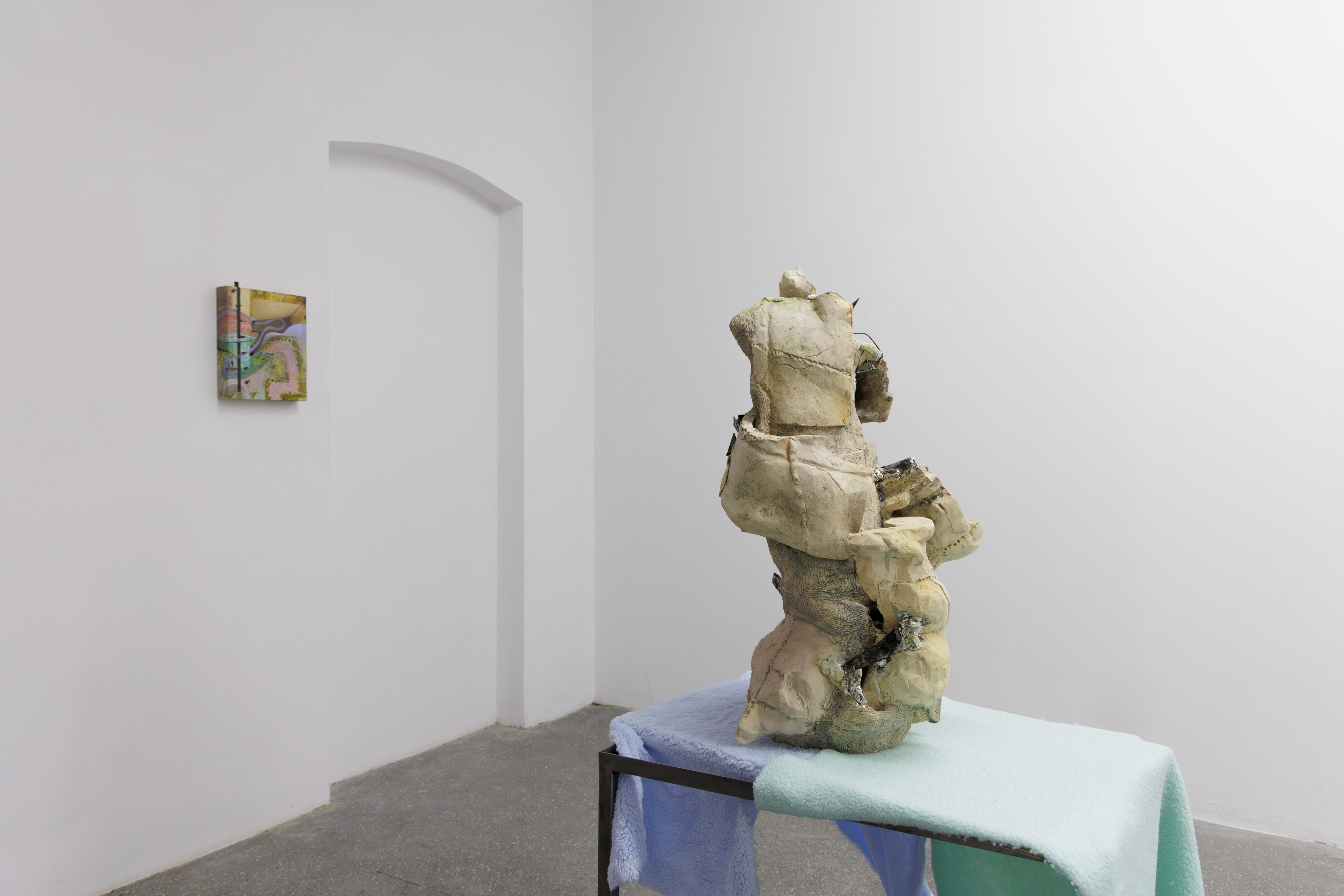
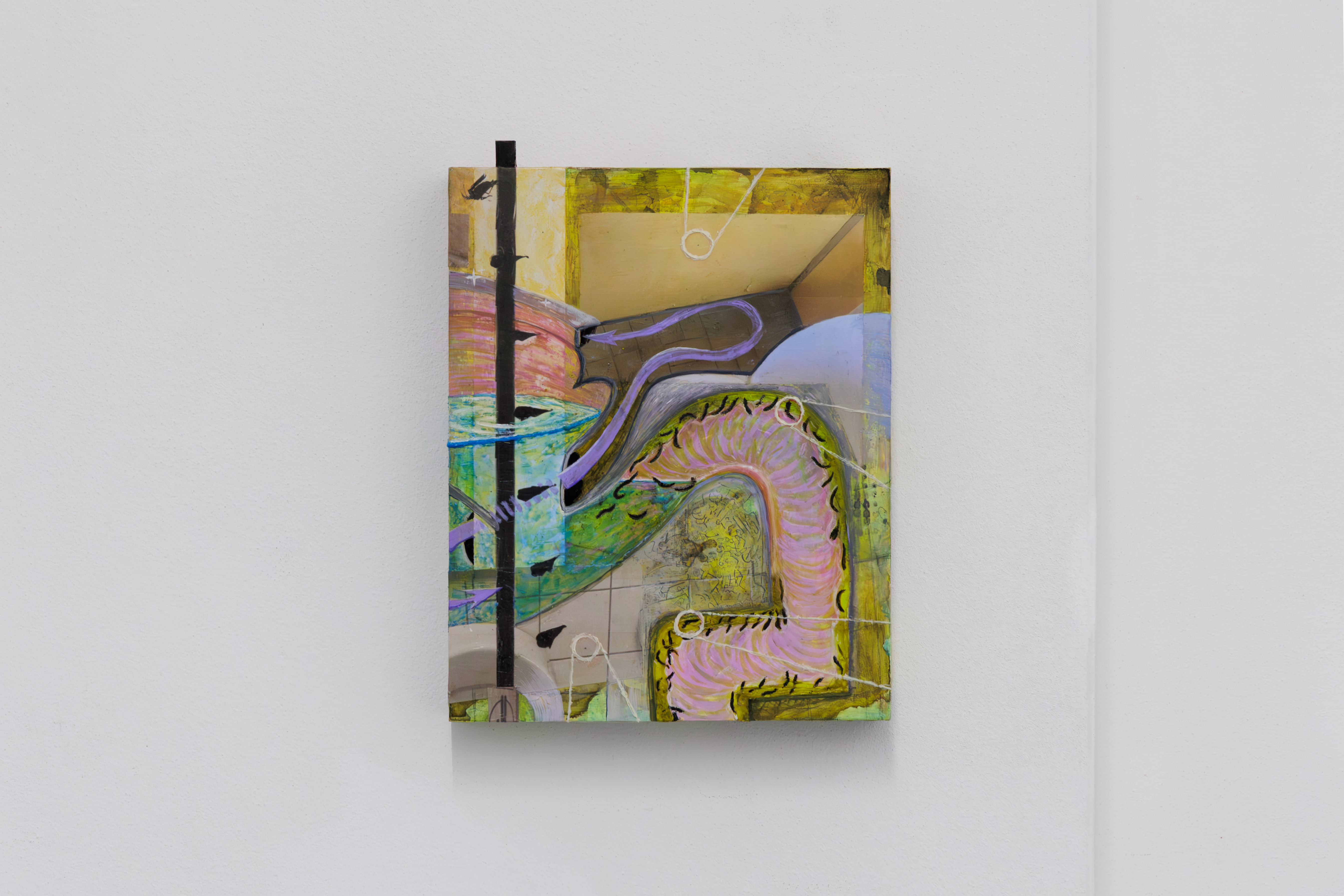
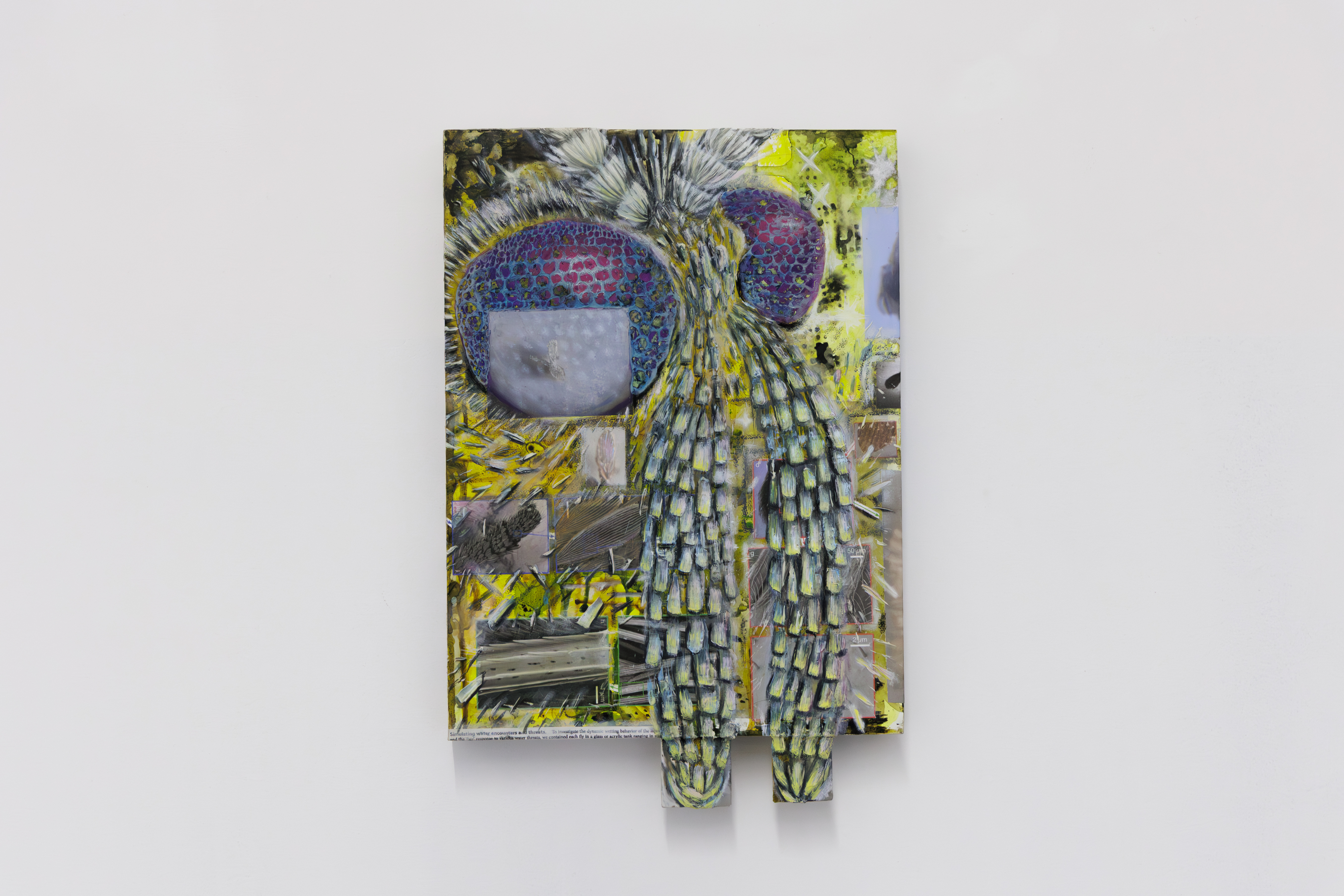
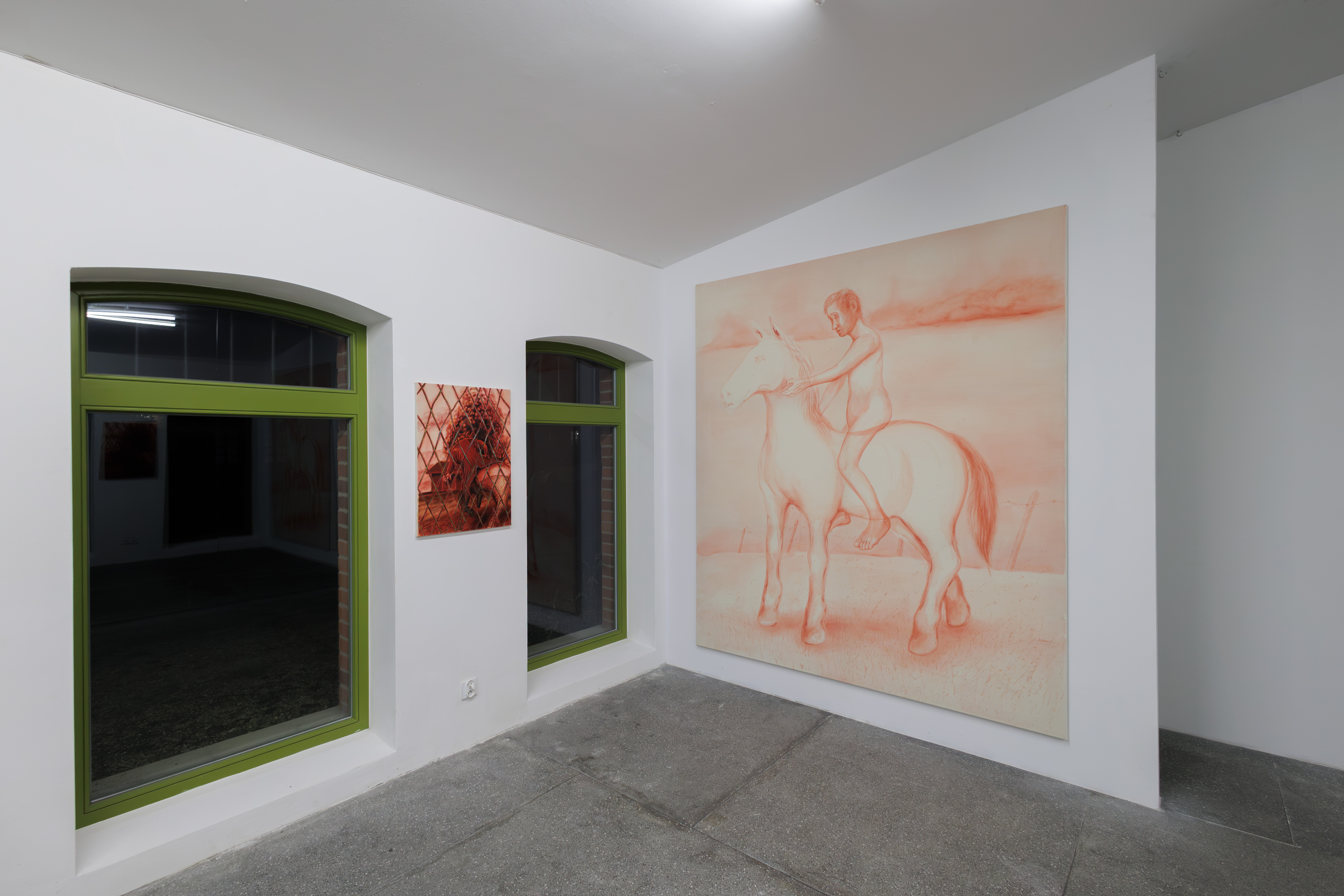
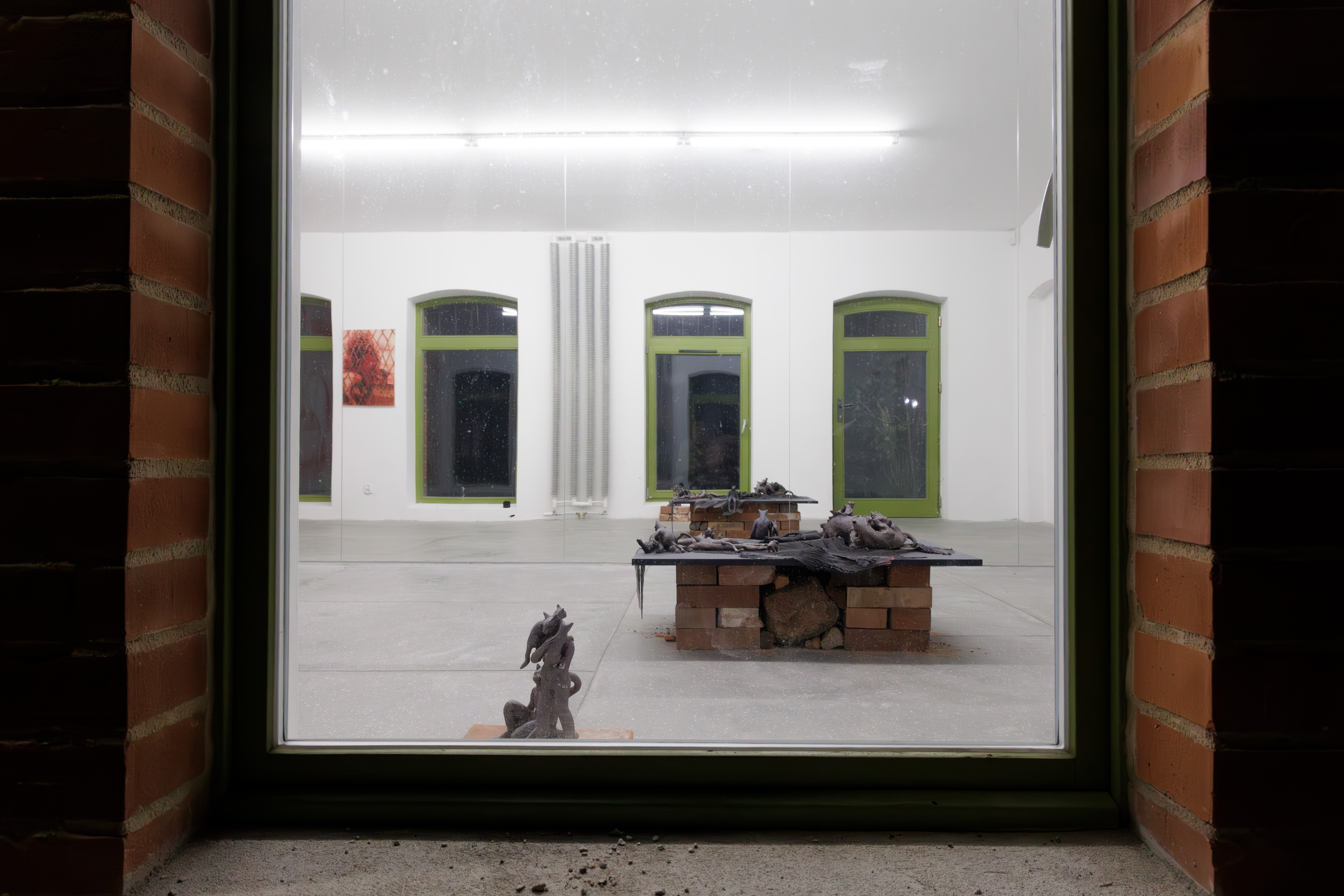
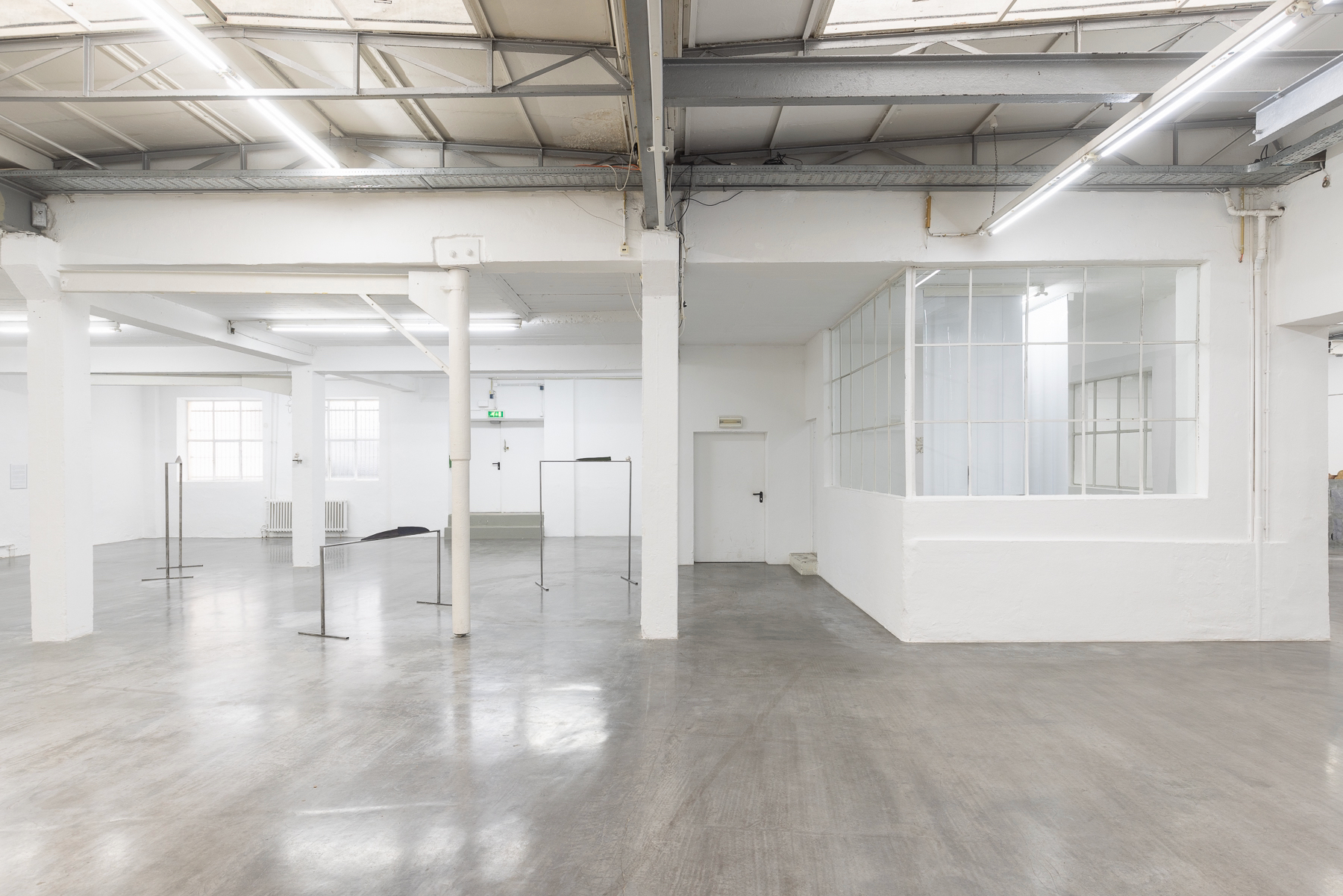
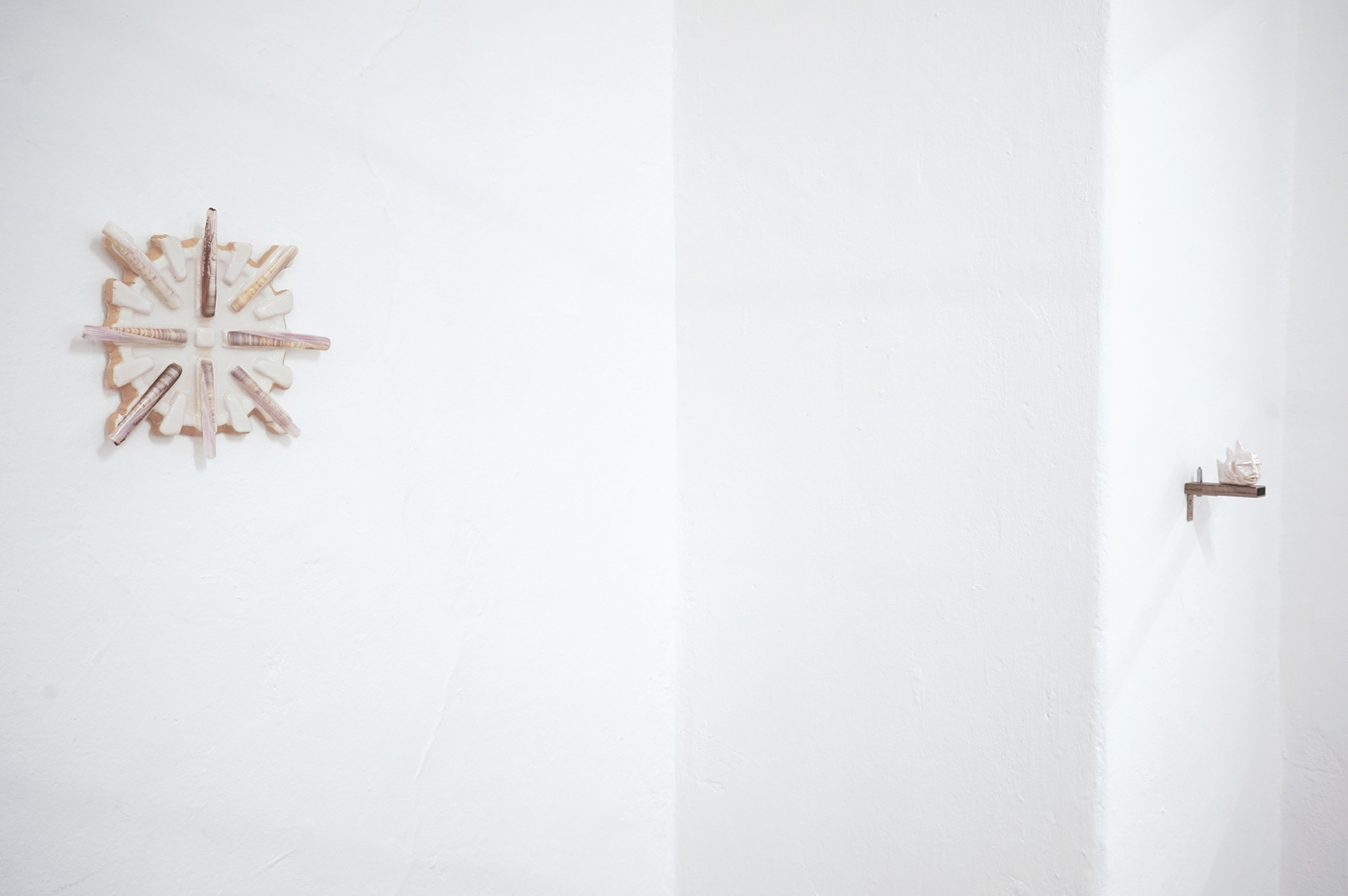
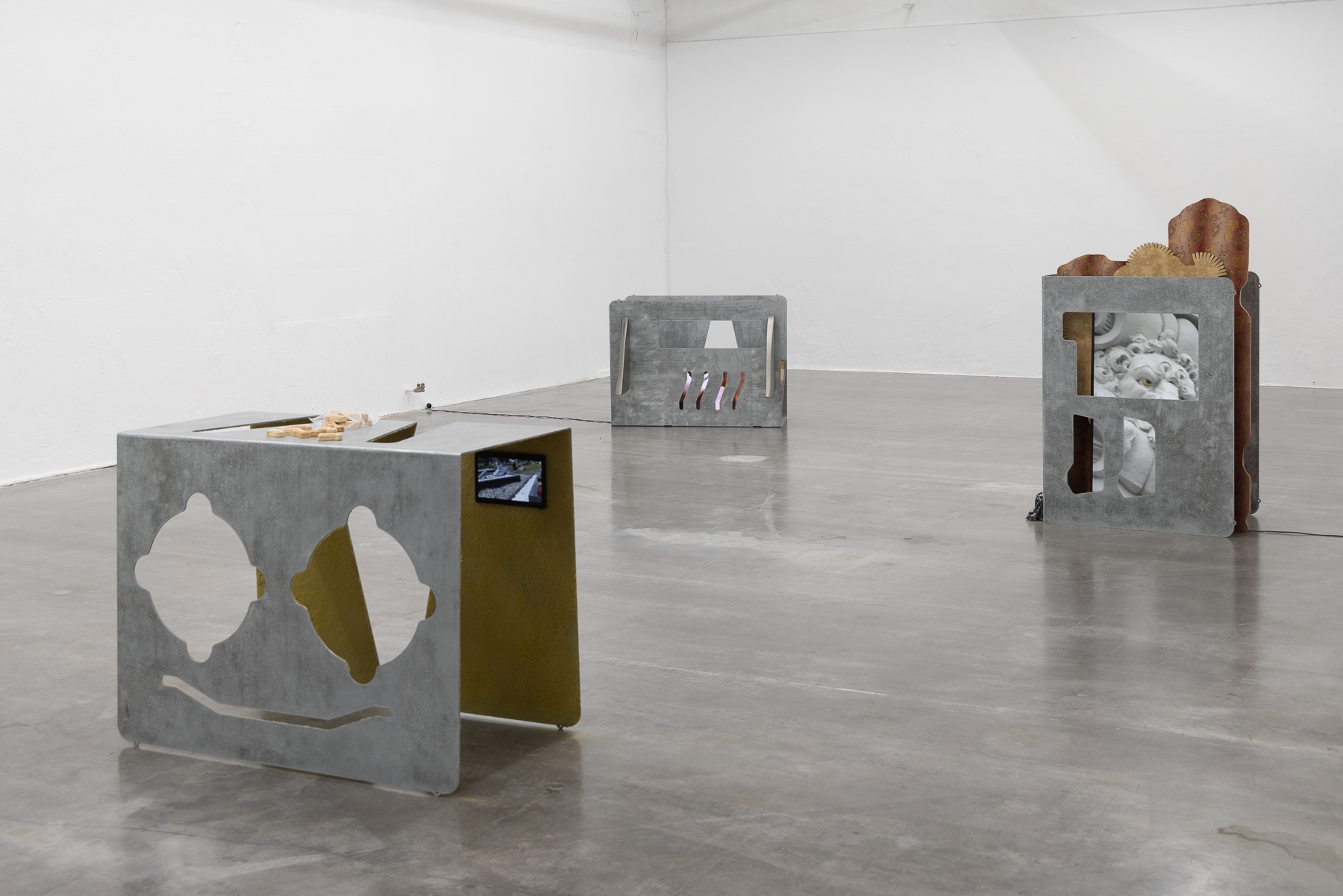
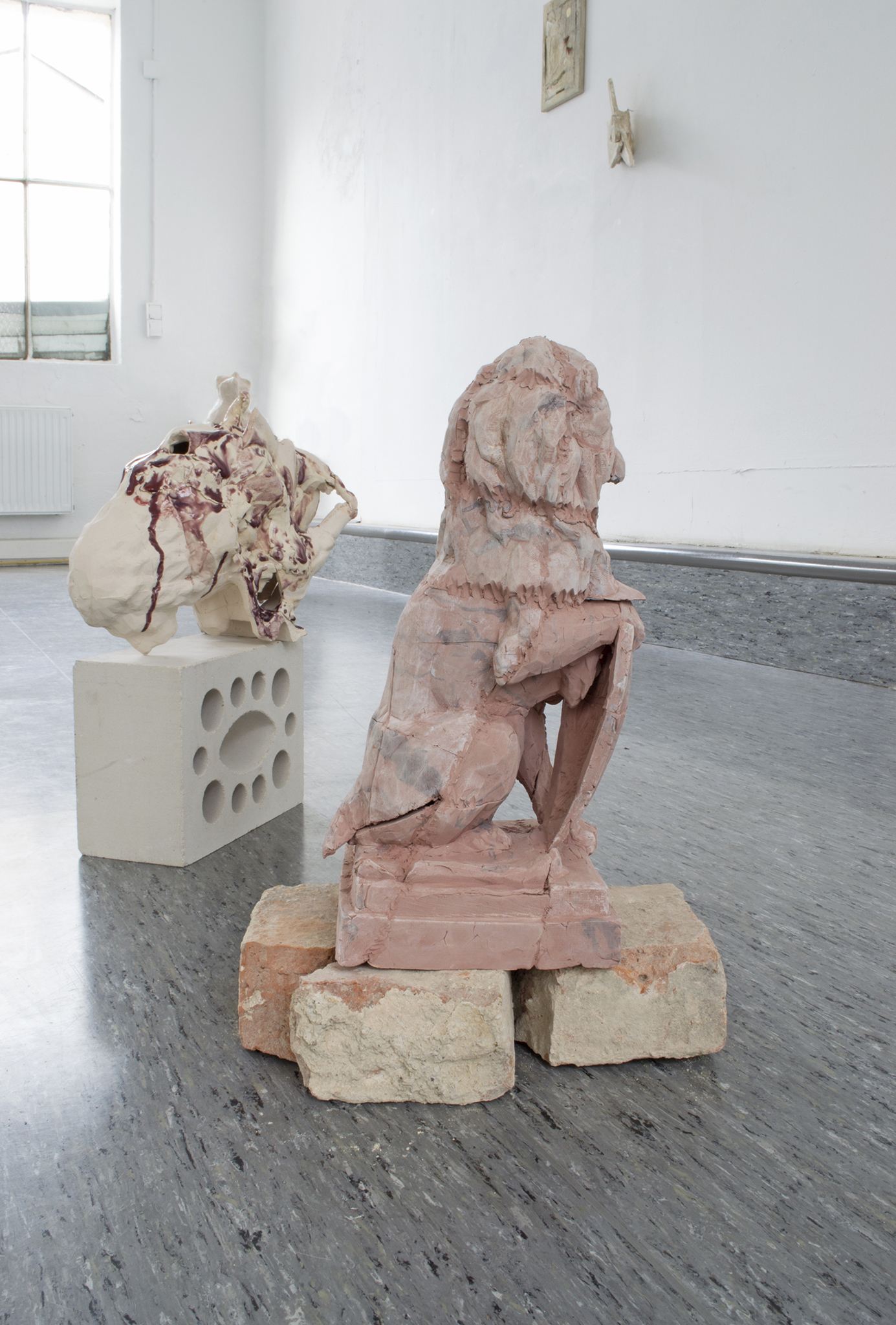
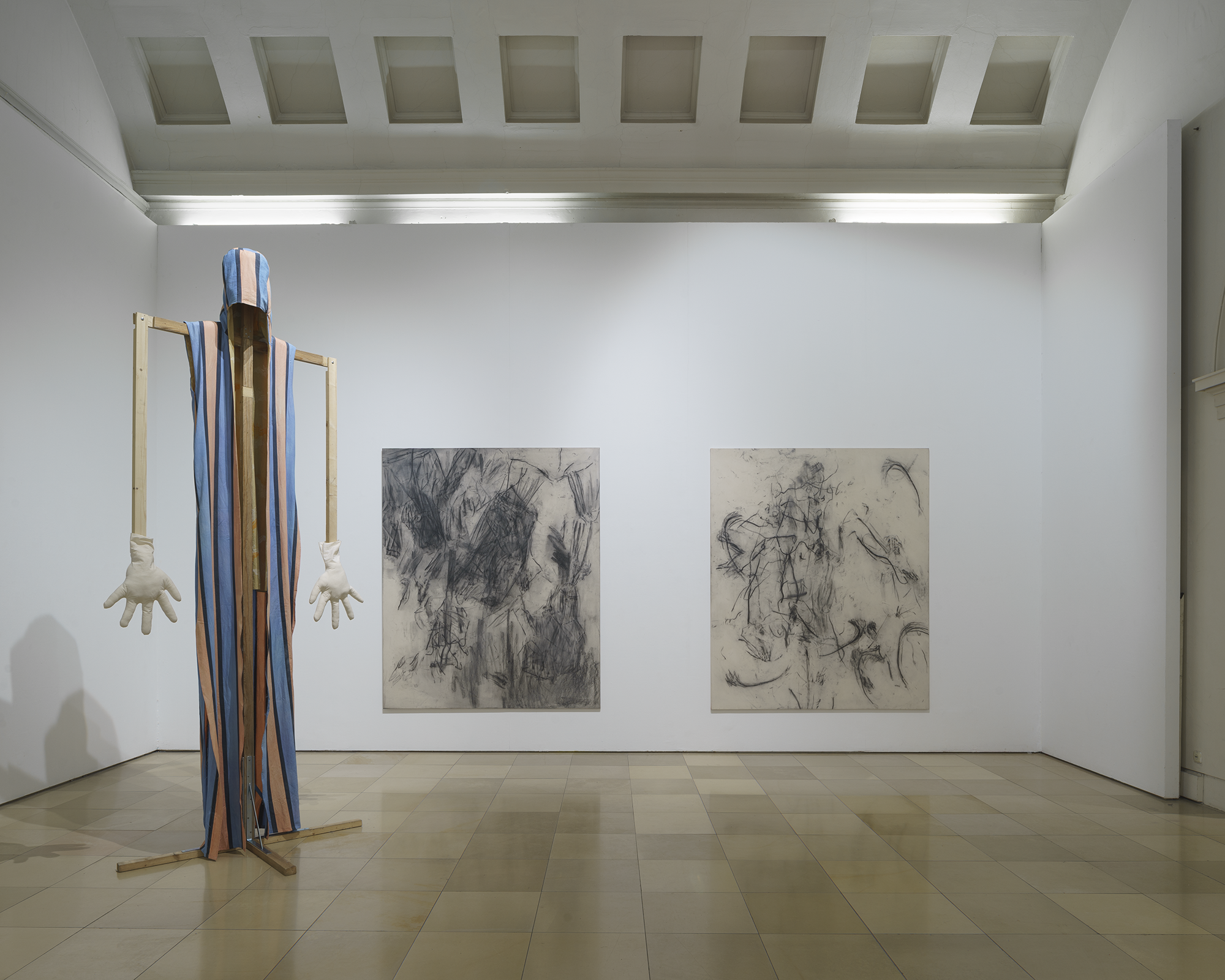
Animal Elegance, installation view (Jonathan Penca, Colonna Sonora, 2025, acrylic and
gouache paint, acrylic resin, biro, pencil, gesso and ink on wood. 31 x 24 x 5 cm; Julia Klemm, A chimera is not a pet 2, 2025, steel, glaze, ceramic, pigment, 44 x 38 x 74 cm, )
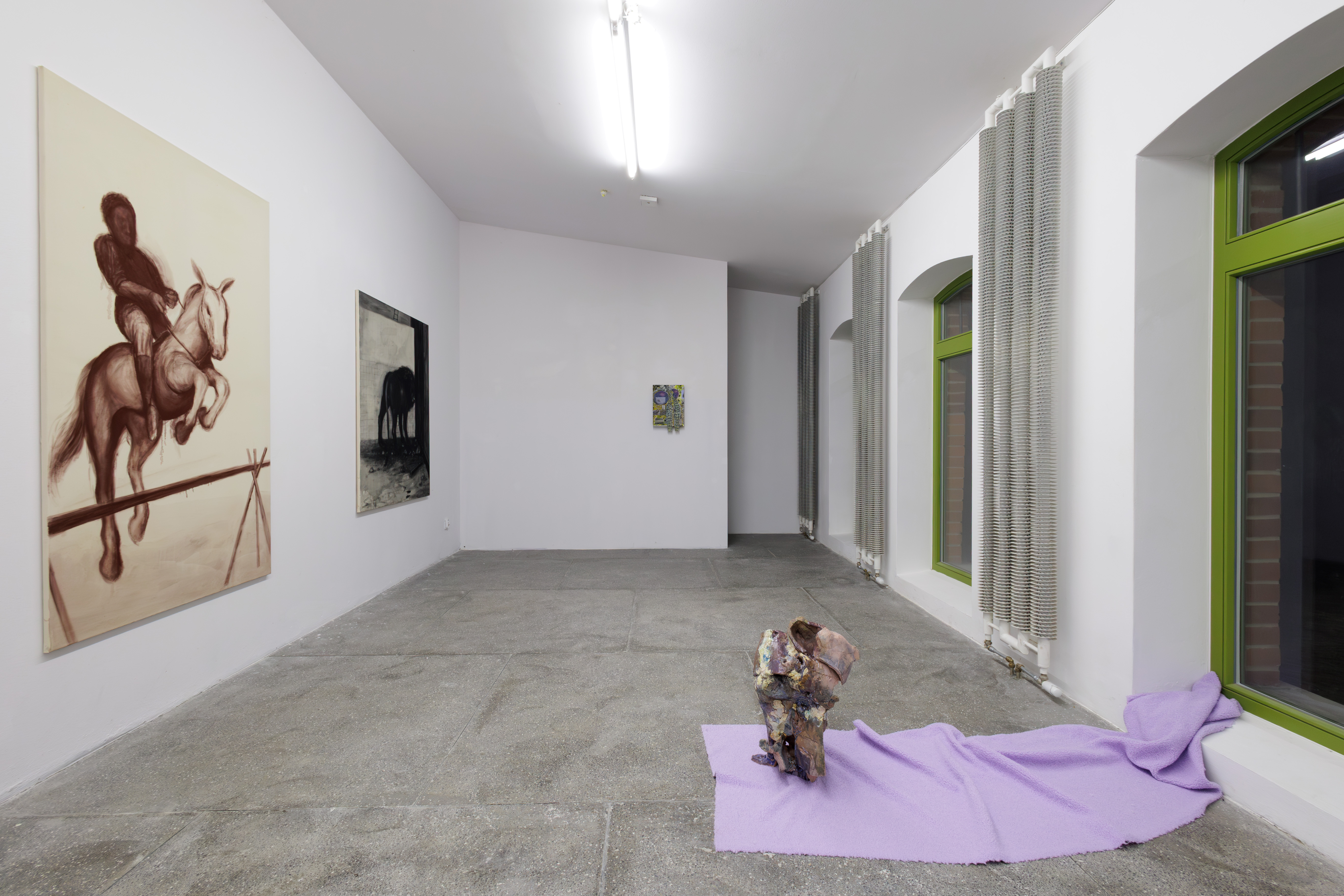
Animal Elegance, installation view (Jonathan Penca, Colonna Sonora, 2025, acrylic and
gouache paint, acrylic resin, biro, pencil, gesso and ink on wood. 31 x 24 x 5 cm, ; Julia Klemm, A chimera is not a pet 2, 2025, steel, glaze, ceramic, pigment, 44 x 38 x 74 cm,; Julia Klemm, A chimera is not a pet 3 , 2025, steel, glaze, ceramic, pigment, 46 x 34 x 42 cm)
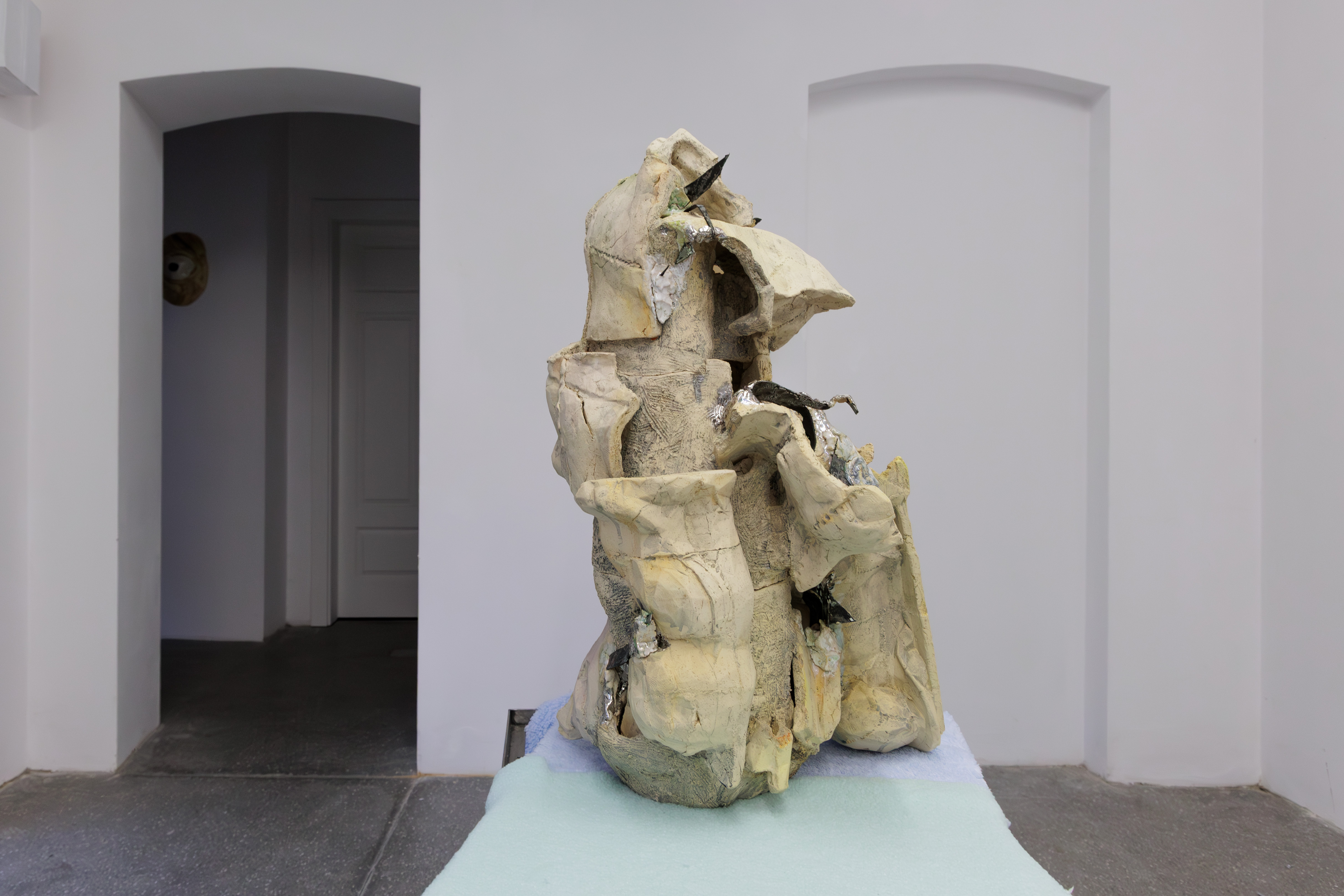
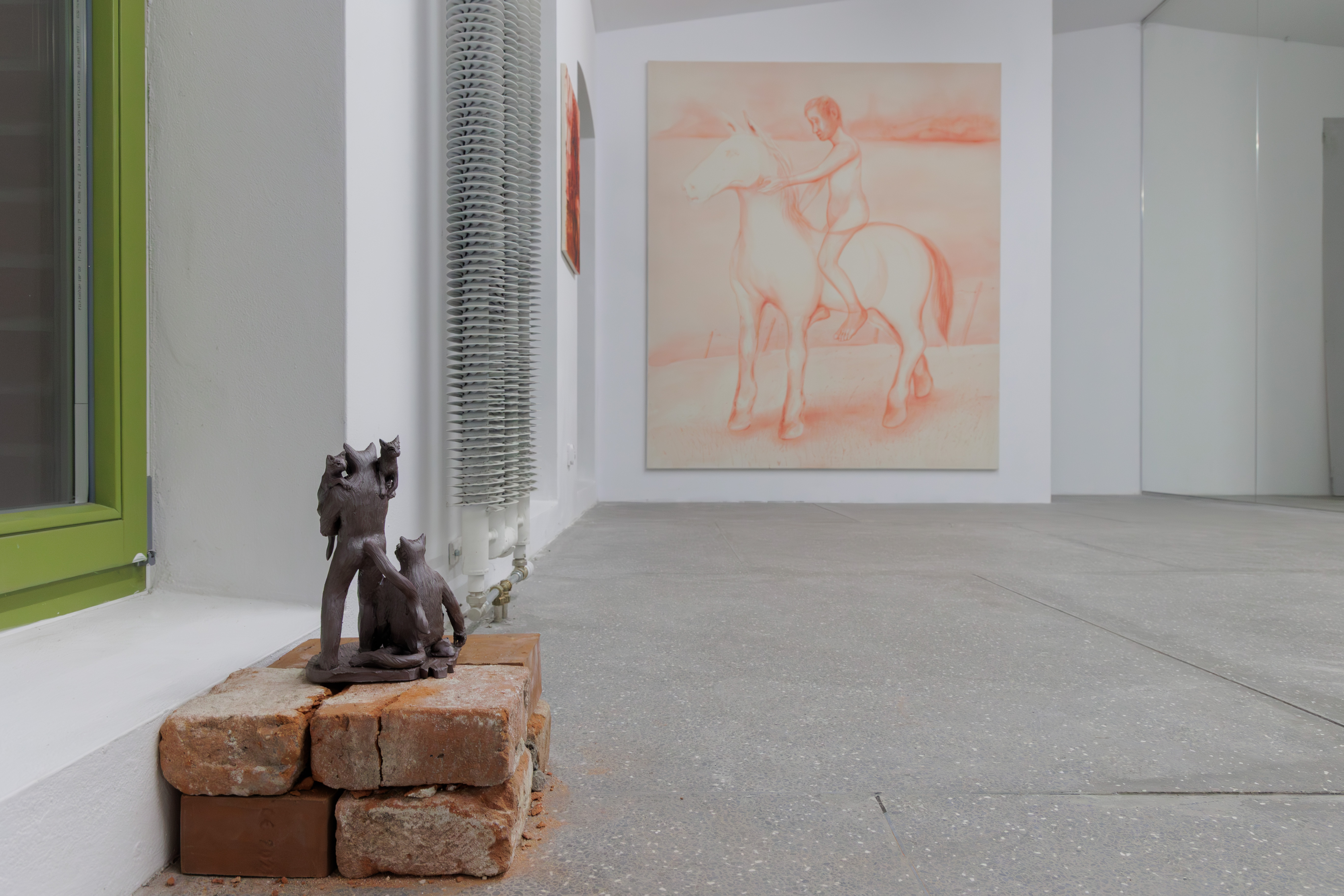
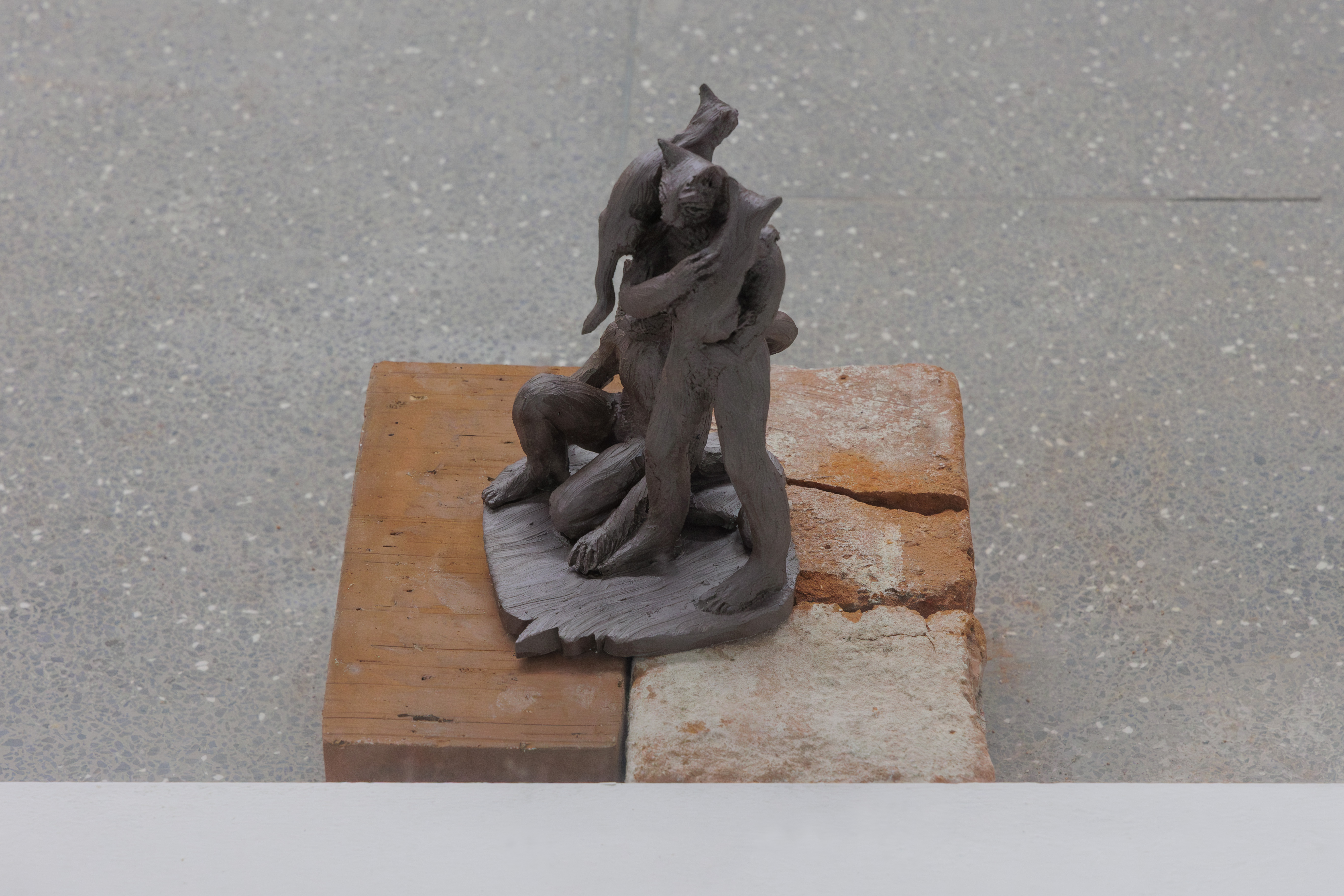
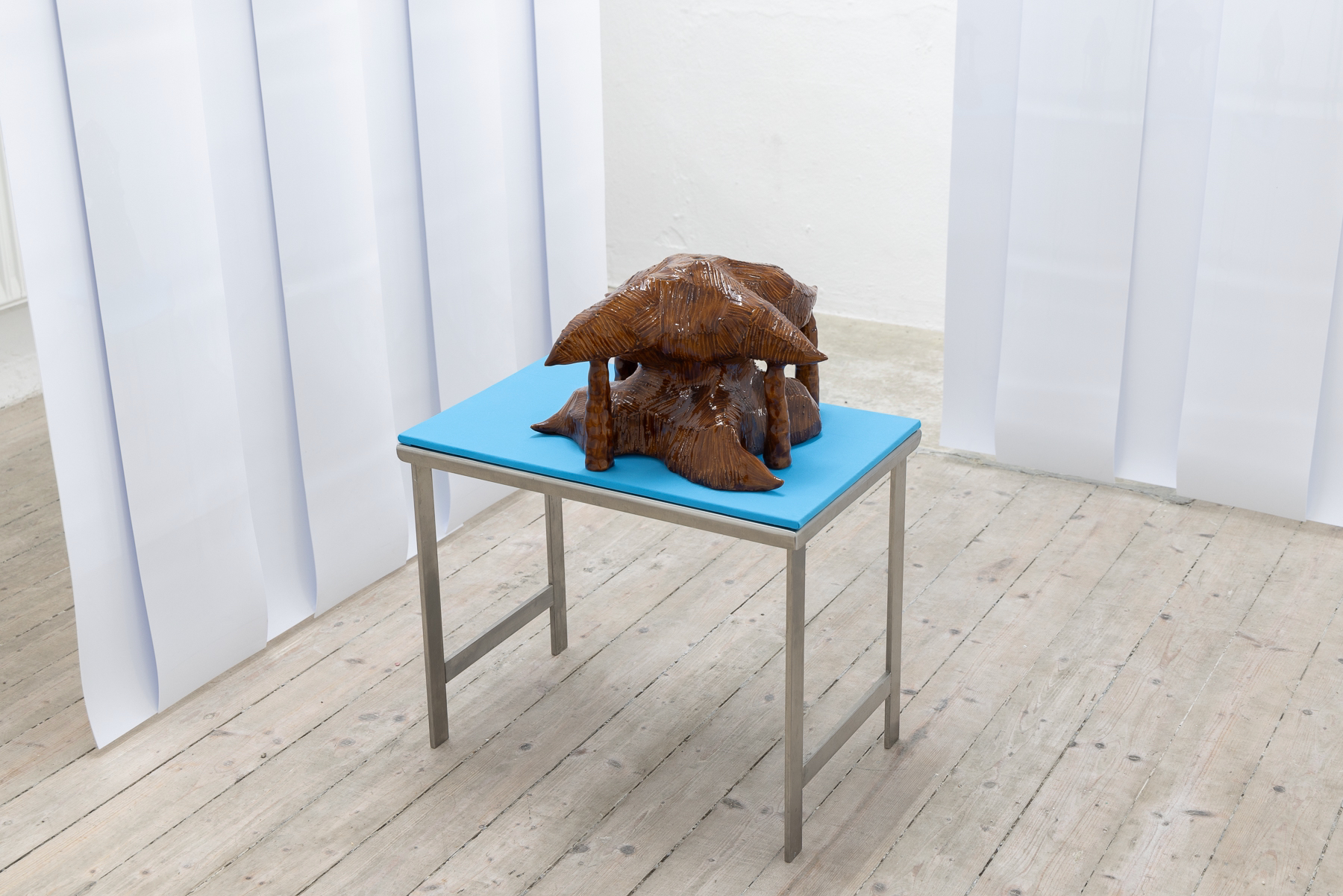
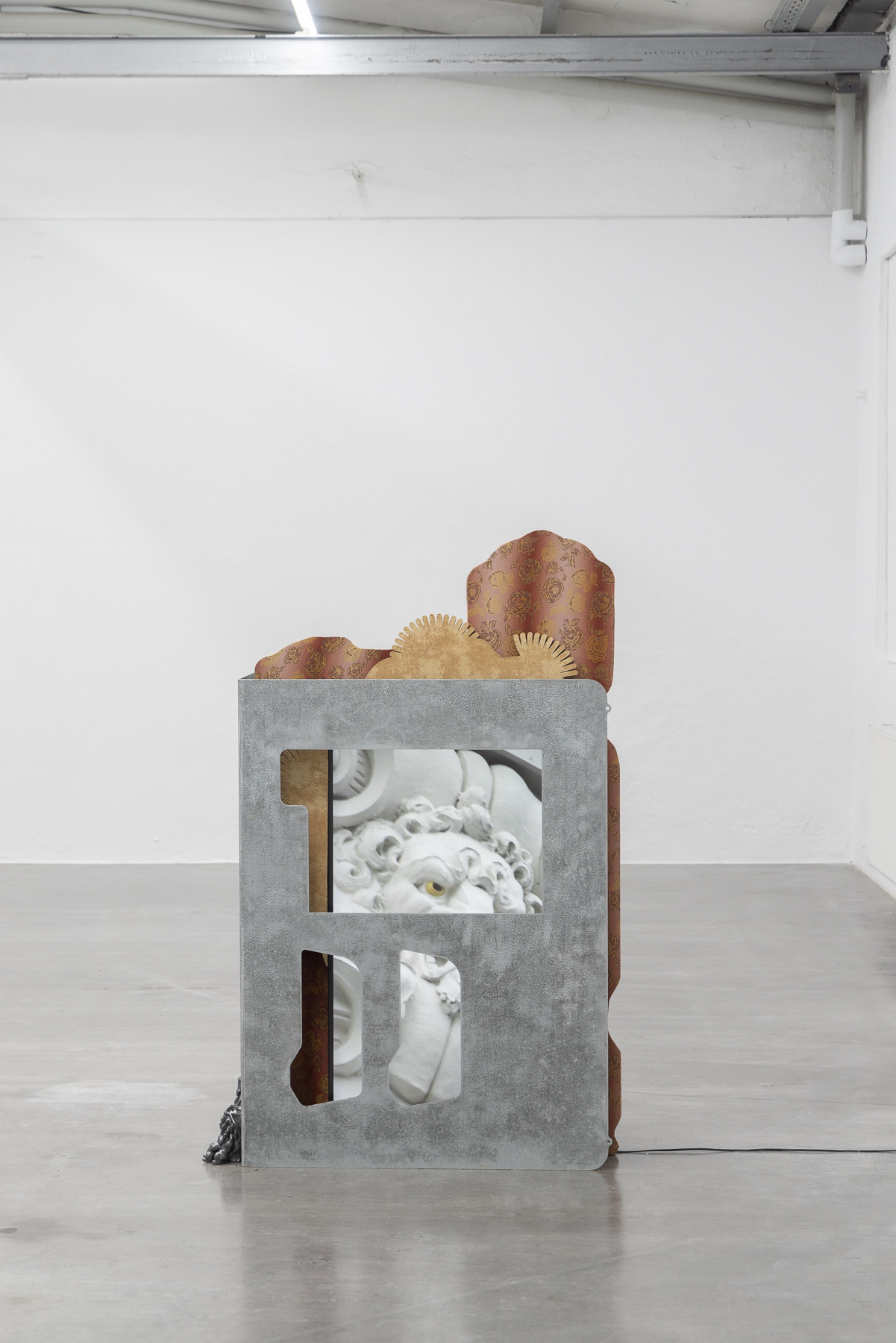
Julia Klemm, A chimera is not a pet 2,2025, steel, glaze, ceramic, pigment, 44 x 38 x 74 cm,
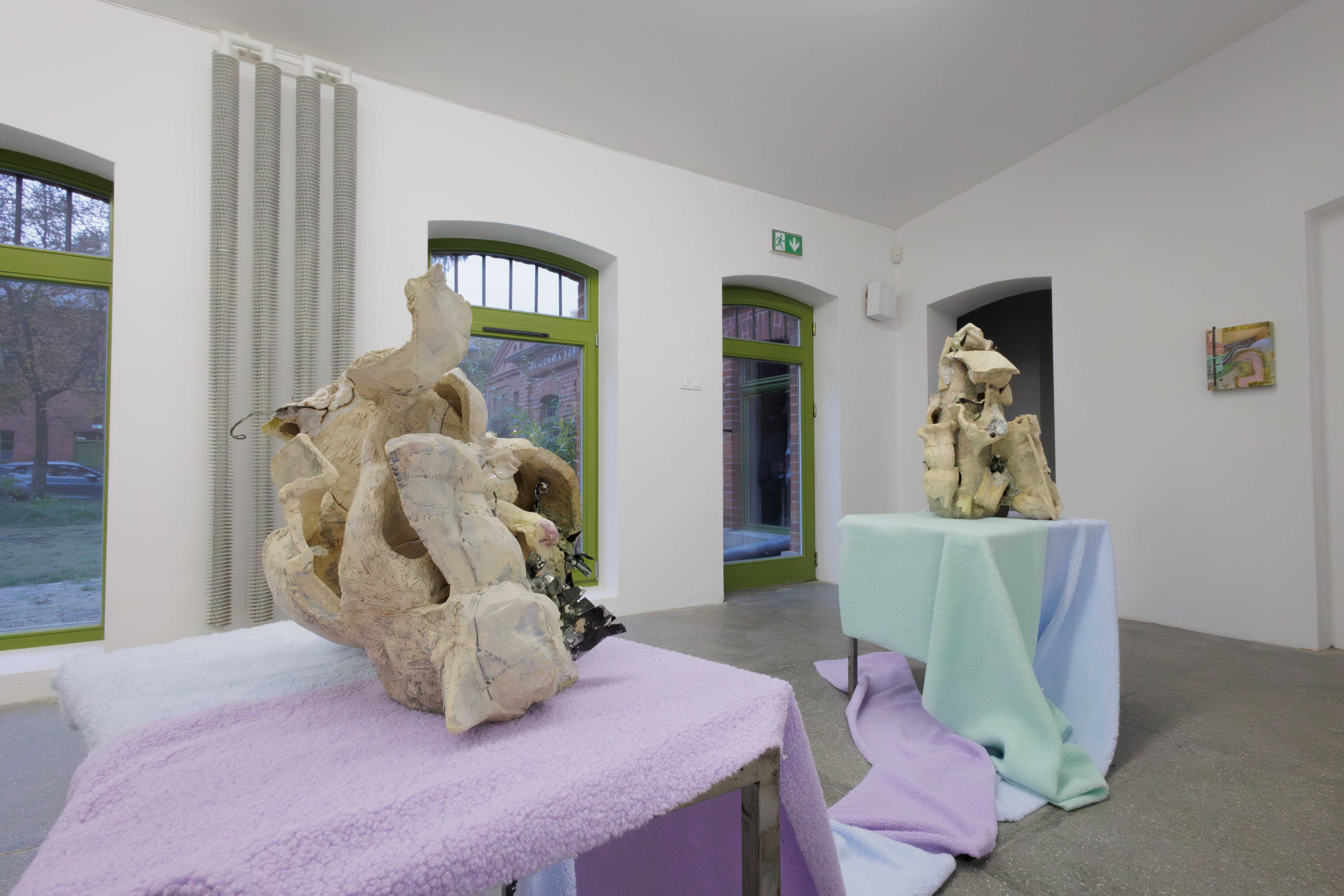
Animal Elegance, installation view (Jonathan Penca, Colonna Sonora, 2025, acrylic and
gouache paint, acrylic resin, biro, pencil, gesso and ink on wood. 31 x 24 x 5 cm; Julia Klemm, A chimera is not a pet 2,2025, steel, glaze, ceramic, pigment, 44 x 38 x 74 cm,; Julia Klemm, A chimera is not a pet 3 , 2025, steel, glaze, ceramic, pigment, 46 x 34 x 42 cm)
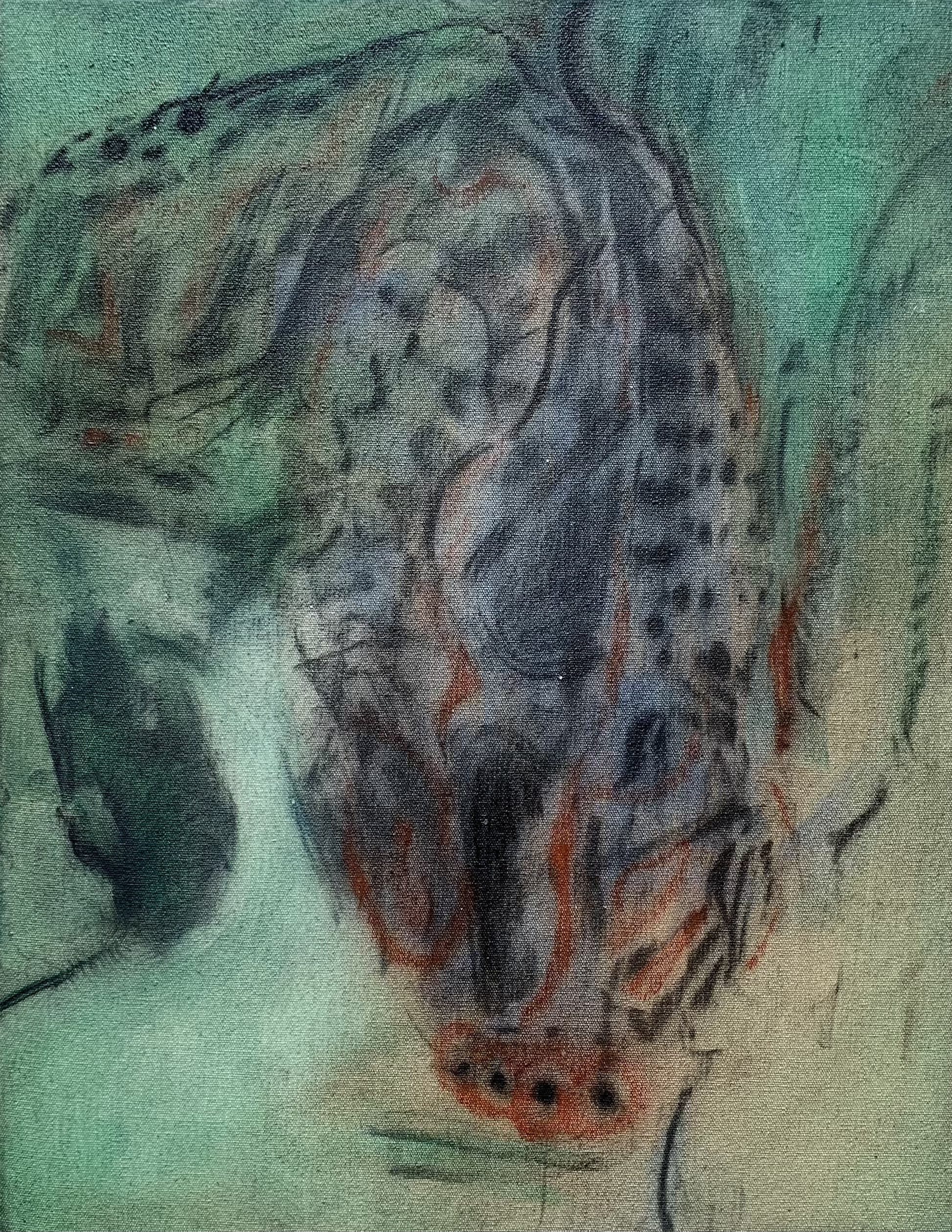
Jonathan Penca, Colonna Sonora, 2025, acrylic and
gouache paint, acrylic resin, biro, pencil, gesso and ink on wood. 31 x 24 x 5 cm,
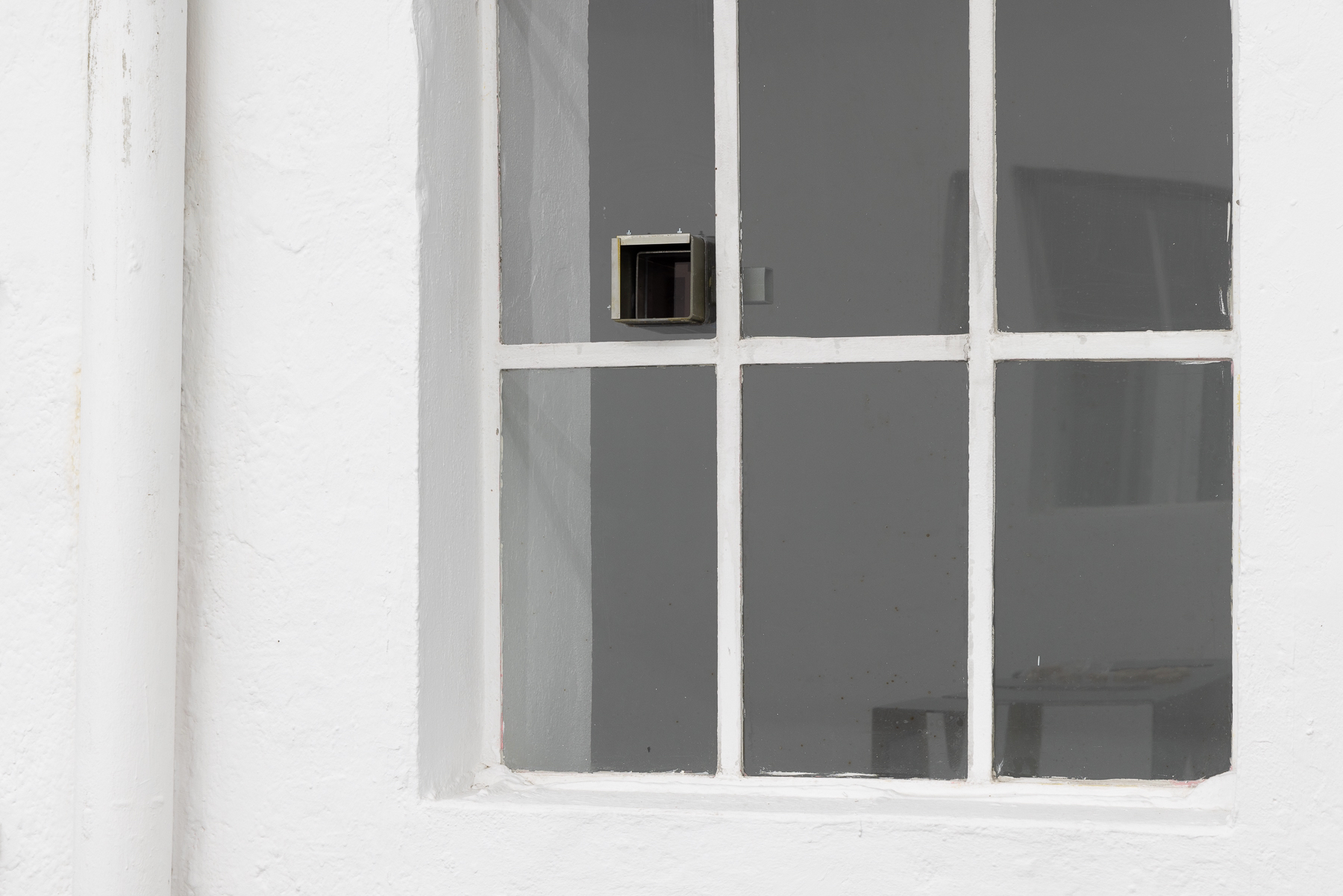
Animal Elegance, installation view , 2025
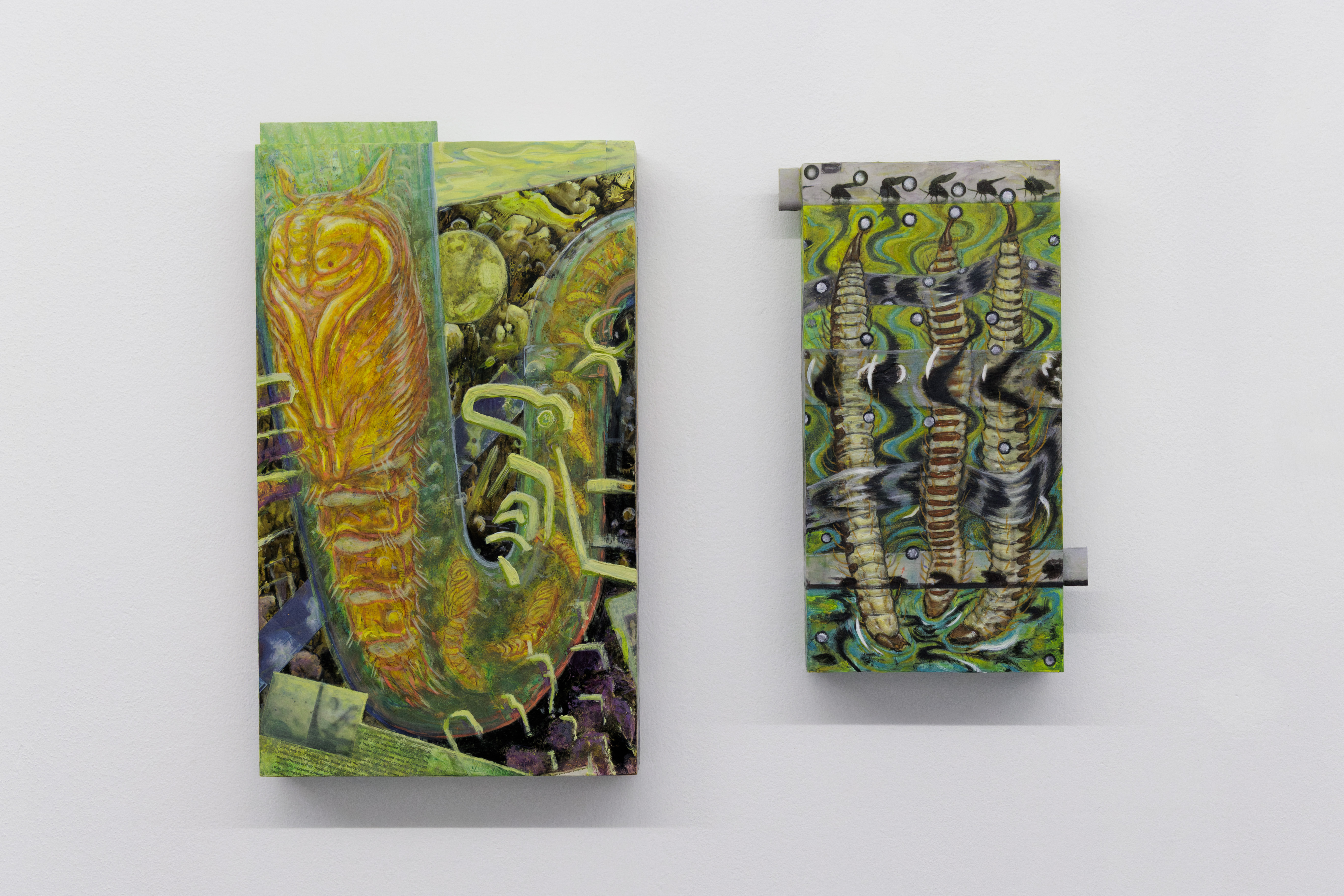
Jonathan Penca, inglers Groove, 2025, gouache, acrylic, watercolour, acrylic resin, pencil, gesso, ink and paper on wood, 52 x 30 x 5 cm; Jonathan Penca, Tufty Sequence, 2025, gouache, acrylic, acrylic resin, biro, gesso, ink and paper on wood, 40 x 19 x 5 cm)
Animal Elegance, 2025, installation view

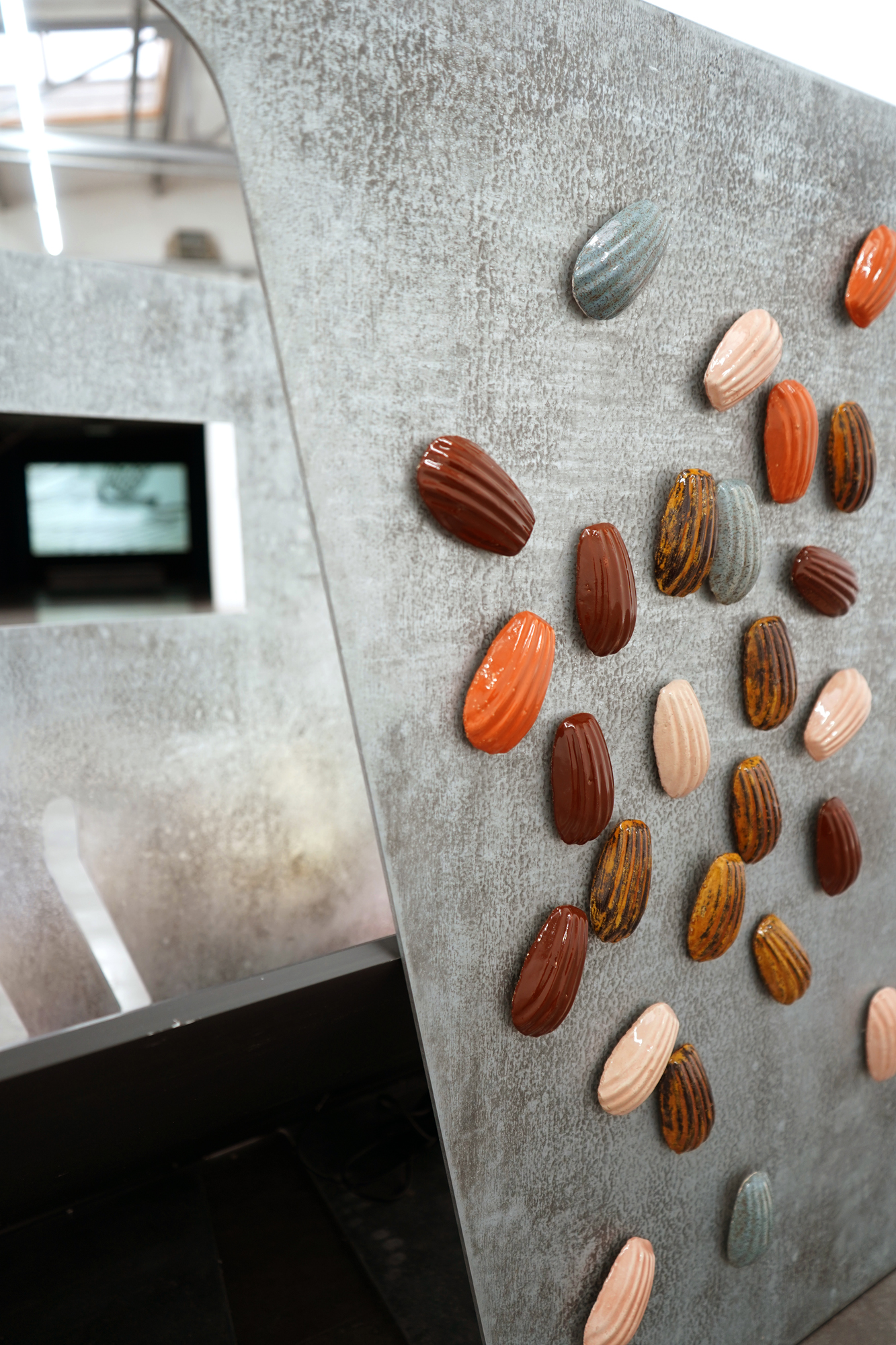
Julia Klemm, Transcending territories, 2024, glaze, ceramic, pigment, 32 x 30 x 48 cm
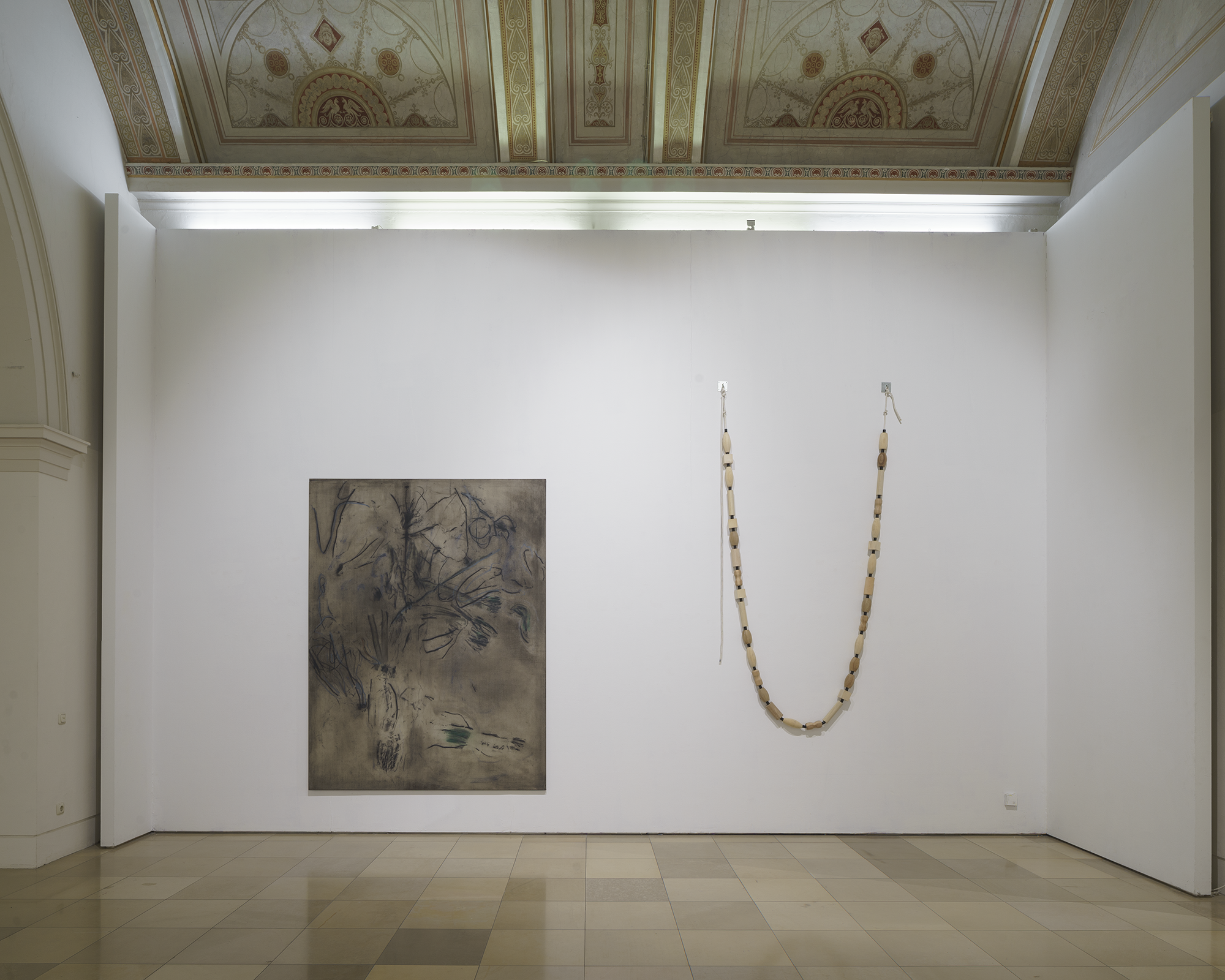
Animal Elegance, 2025, installation view
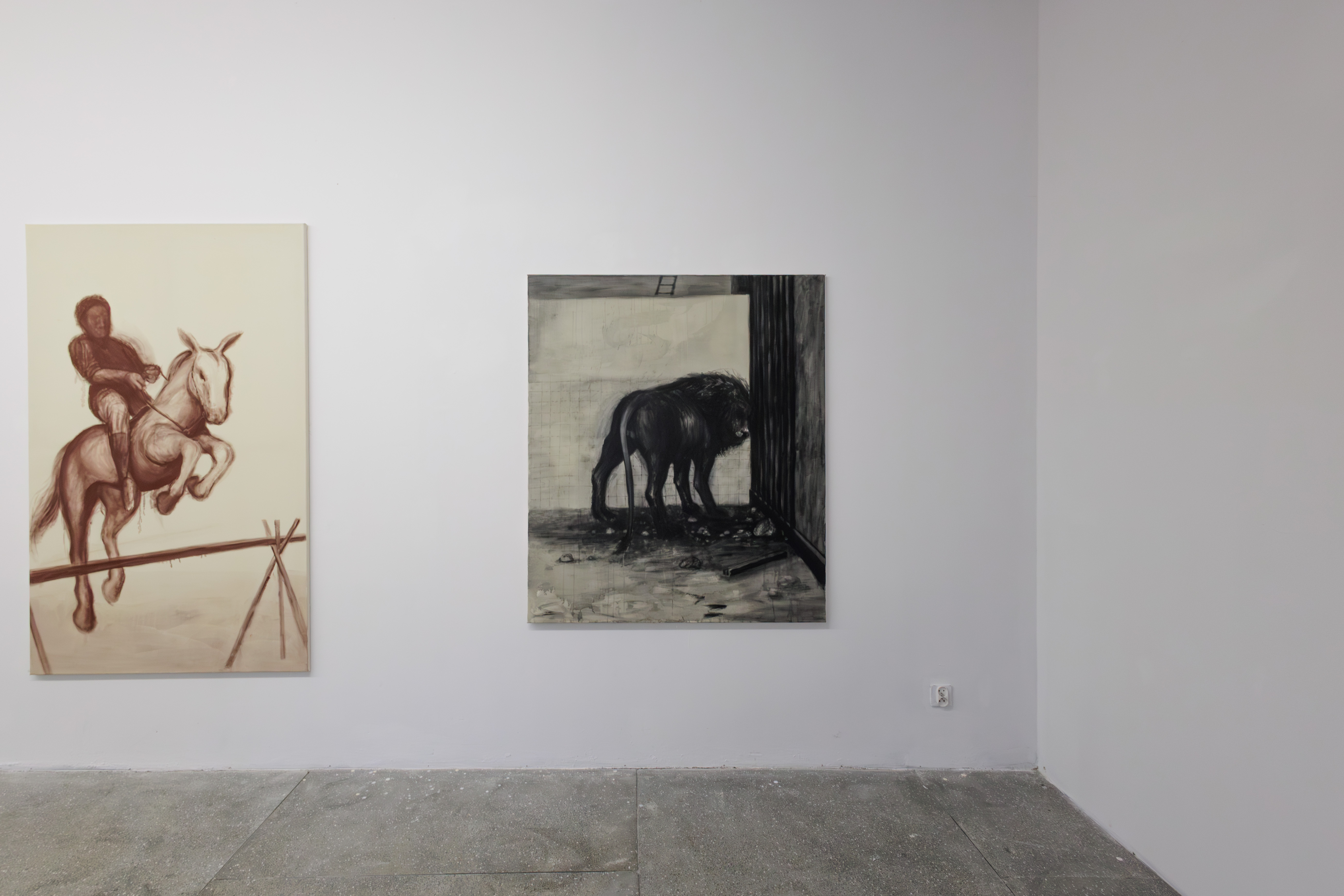
Jakob Gilg, Alignment, 2025, pigment and acrylic medium on canvas, 180 x 110 cm; Jakob Gilg, Virgo, 2025, pigment and acrylic medium on canvas, 140 x 120 cm)
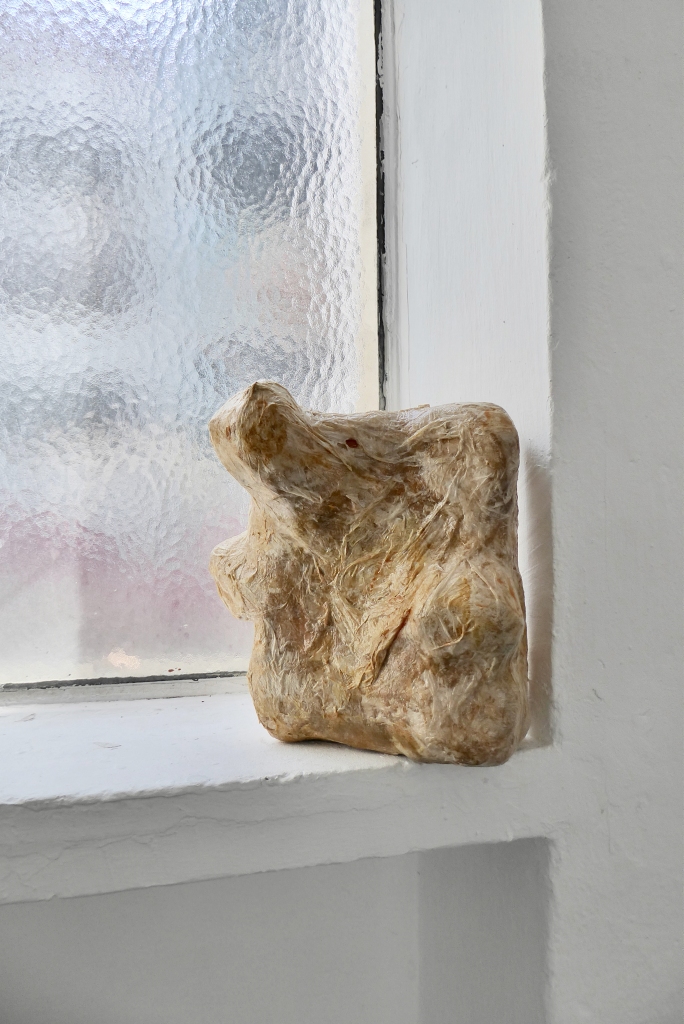
Jonathan Penca, Clogmia, 2025, gouache, acrylic resin, gesso, ink, makeup powder and paper on wood, 44 x 30 x 5 cm
Jakob Gilg, I’m sorry, 2024, pigment and acrylic medium on canvas, 25o x 200 cm; Jakob Gilg, Kindling, 2025, pigment and acrylic medium on canvas, 70 x 50 cm
Jakob Gilg, Kindling, 2025, pigment and acrylic medium on canvas, 70 x 50 cm
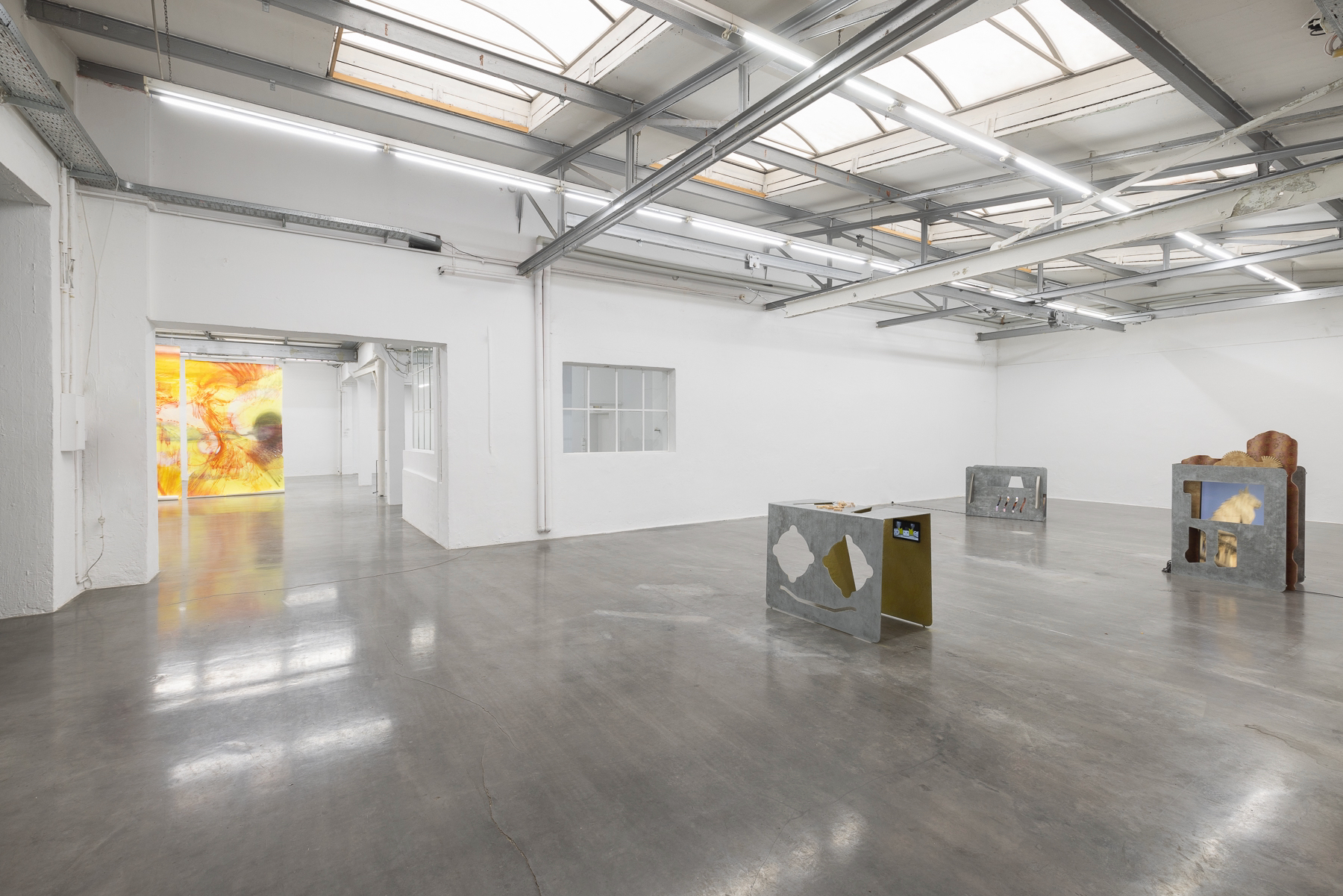
Animal Elegance, 2025, installation view
Anka Helfertova, To be in a time of war ( I keep changing my address but war never loses my scent) 2025, bricks, stone, MDF board, silicon, pigment, ceramic, 55 x 120 x 77 cm and 40 x 30 x 30 cm
Animal Elegance, 2025, installation view

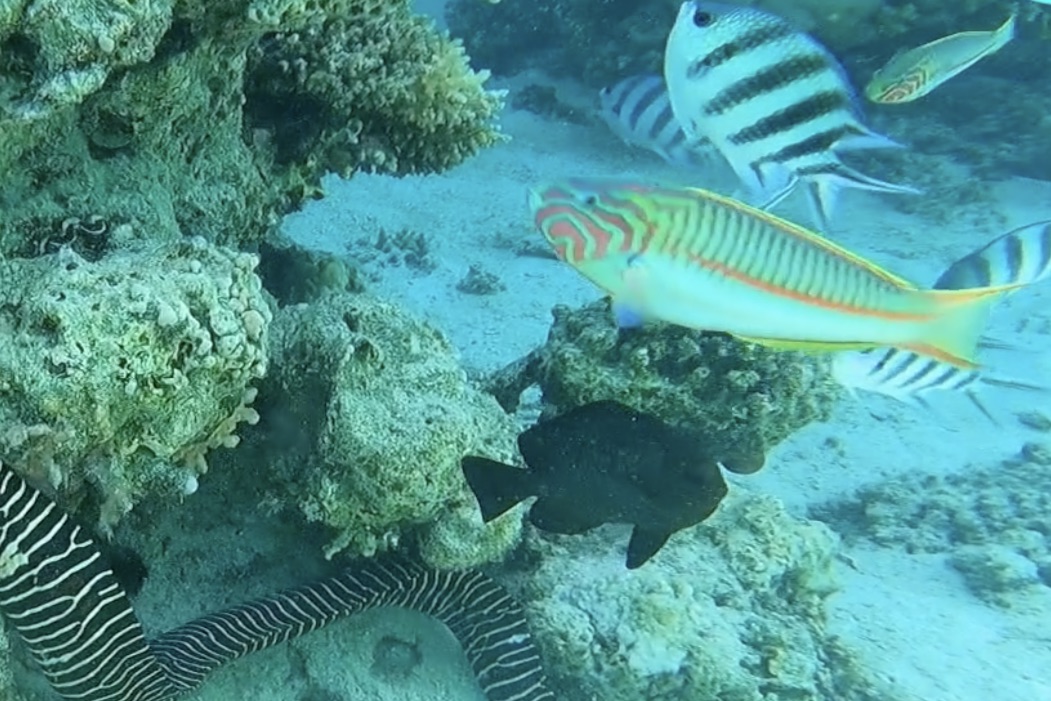
There is a fascist, who lives in my head, and he has been there for a while. I speak to him almost everyday about different things, mainly things I see in the news or read about online, but sometimes also about art. Recently I was telling him about the fish, Kluzinger’s wrasse, which reminded me of a passage I read in “A Thousand Plateaus” by Deleuze and Guattari. They ascribe to a tropical fish an animal elegance, because of the way it uses its colourful design to blend in with its surroundings. The lines of the design are abstract and yet have the capacity to construct an entire underwater world. 

Look, I tell him, we think we know what a fish is, the way you think you know what a dog or horse or lion is, an animal, a species, a type. Certainly your lot has made enough statues and animal monuments – porcelain shepherd dog figurines graced your tables. A fish lives in water and like all other fish has scales, fins and gills.  We can compare this fish to another and note down the similarities of their characteristics, in order to classify them, genus: Thalassoma, family: Labridae. You think we know what kind of an animal a fish is. There it is. Put it in an aquarium. 

Ah, I say, but can we see the animal Deleuze and Guattari describe as possessing an English kind of elegance? With a refinement that does not seek attention, but that remains quietly unobtrusive?  This involves the appreciation of the small and the detailed, like those drain moths found in Jonathan Penca’s paintings, charming us with their fuzzy faces and furry wings. More than that, unobtrusiveness requires an effort. To go through life unnoticed is not easy and drain moths have a life cycle with four stages, larvae feeding on toilet sludge before developing into pupae. 

There are animals we see and animals we do not. The animals we do see, we organise and use, tame and breed. We control them as meticulously as Eadweard Muybridge did, when he set up multiple cameras to capture the image of the horse in motion or a lion in a cage, the starting point of Jakob Gilg’s paintings. We assign animals different roles: you there, you look soft and cuddly, you will be a pet. And you, you over there, so powerful and strong, you we will make into a symbol. Kitsch ceramic cats and scaled-down digital scans of lion monuments tumble, shatter and recombine in Julia Klemm’s work. 

But this animal you don’t see, is something other than a molar entity, a different “affair” as Deleuze and Guattari would say, involving “becoming” not “being.” And it might seem we are meant to think this becoming morphologically, as the becoming of something else, a change from one permanent state to another, equally permanent one. A human could become a cat perhaps – or a cat, a human – as in the work of Anka Helfertova. Violence swirls around and we try to find our peace, not to lose ourselves within. To think becoming is to think loss, the elimination of all of our complaints, demands, unsatisfied desires, “everything that roots us in ourselves,” so that at the end, we are left with nothing, which is also everything. Becoming-animal is always a becoming-imperceptible, a shrinking best found in science fiction novels, the shrinking man becoming smaller and smaller without ever disappearing. Because when animals are thought in their becoming, the molecular comes into play, those invisible abstract forces that in their millions of interactions are actually responsible for constituting a world. To think an animal in its becoming is to engage with these molecular forces at work.

This is the demand elegance places on us: to think less of ourselves and more of the other. It is to be more attuned to our surroundings by paying attention to what continues to constitute us, which is always small and inorganic, indiscernible and impersonal. Elegance is a kind of molecular attention, but with a focus that opens out onto the world. To think things in their becoming molecularly is also to think in terms of the cosmos in its entirety. And then we might indeed stop seeing fish, but we will begin to see everything else.

Magdalena Wiśniowska 2025
Animal Elegance

Jakob Gilg, Anka Helfertova, Julia Klemm and Jonathan Penca

9.10. – 7.11.2025

with Pracownia Portretu, Łódź, Poland

Screenshot

In the imaginary conversation with a fascist that I seem to almost daily conduct in my head, I like to present him (my fascist is always a man) the example of an animal, this time of a fish. Deleuze and Guattari describe this fish as being “criss-crossed by abstract lines” – I like to think of the Klunzinger’s Wrasse I saw on a recent trip to Egypt, criss-crossed by a rainbow of colour.

Here it is, I would say, look at this fish, look how beautiful it is, the colours, the design. The pattern doesn’t seem to follow the shape of the fish. There is an orange line across, stripes above, more pink wavy lines around its chubby face. Very bright. But in a certain trick of the light, the fish merges almost completely with its underwater environment. What is abstract, a matter of shape, line and colour, allows the fish to become rock, sand or a bit of coral. As Deleuze and Guattari write “this fish is criss-crossed by abstract lines that resemble nothing, that do not even follow its organic divisions; but thus disorganized, disarticulated, it worlds with the lines of a rock, sand, and plants, becoming imperceptible.”

The fish worlds and when it worlds it becomes imperceptible. It loses itself in the most vibrant way to become unnoticed and thus more firmly part of the world it belongs to. In losing itself it can become everything else.

From Animal to Mineral

Judith Adelmann, Rachel Fäth, Sophia Mainka, Hannah Mitterwallner, Jonathan Penca, Maria VMier

15.12. 2023 – 18.02.2024

Lothringer Halle, Lothringer Str. 13, 81667 München

From Animal to Mineral, 2023, installation view. Photo: Thomas Splett
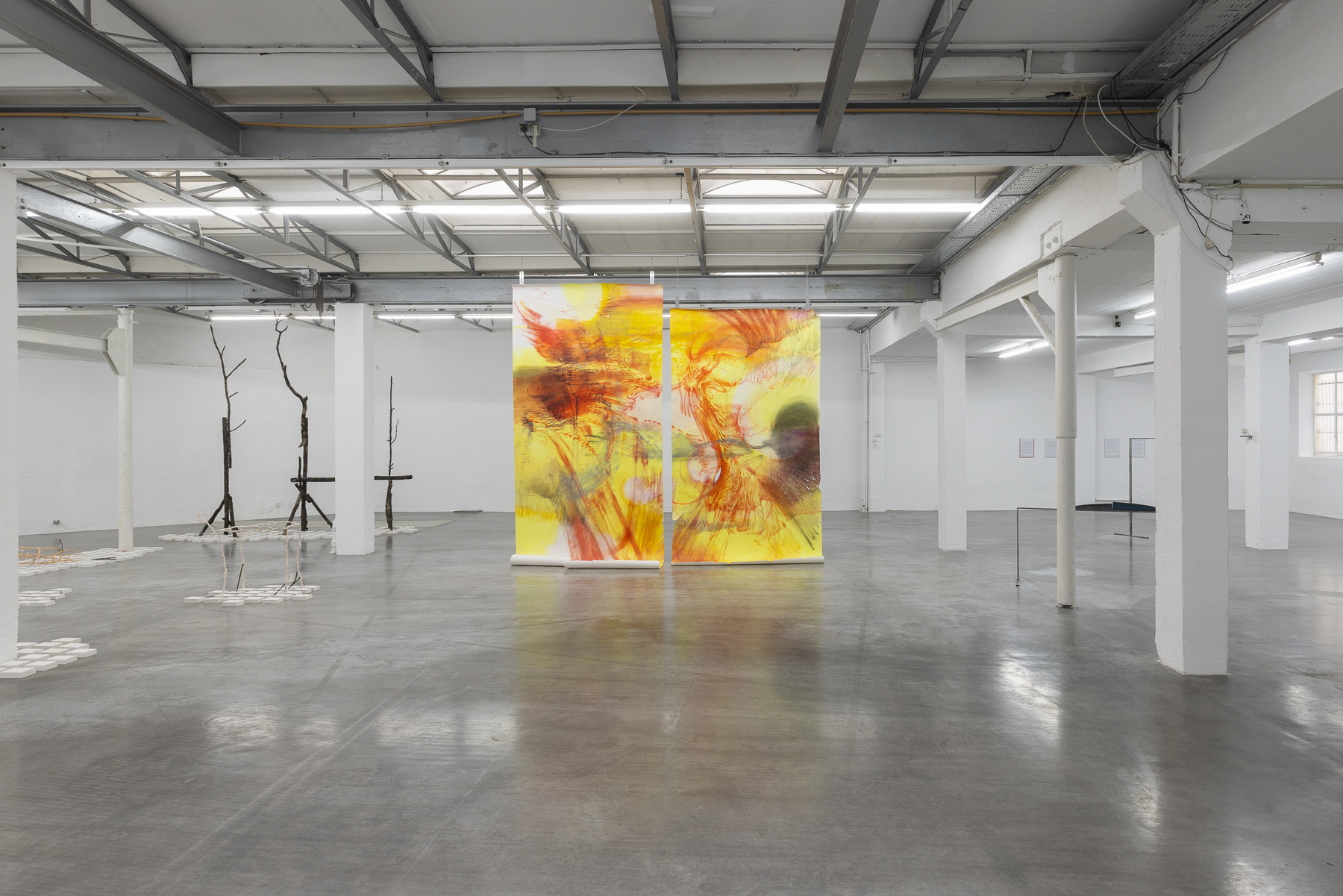
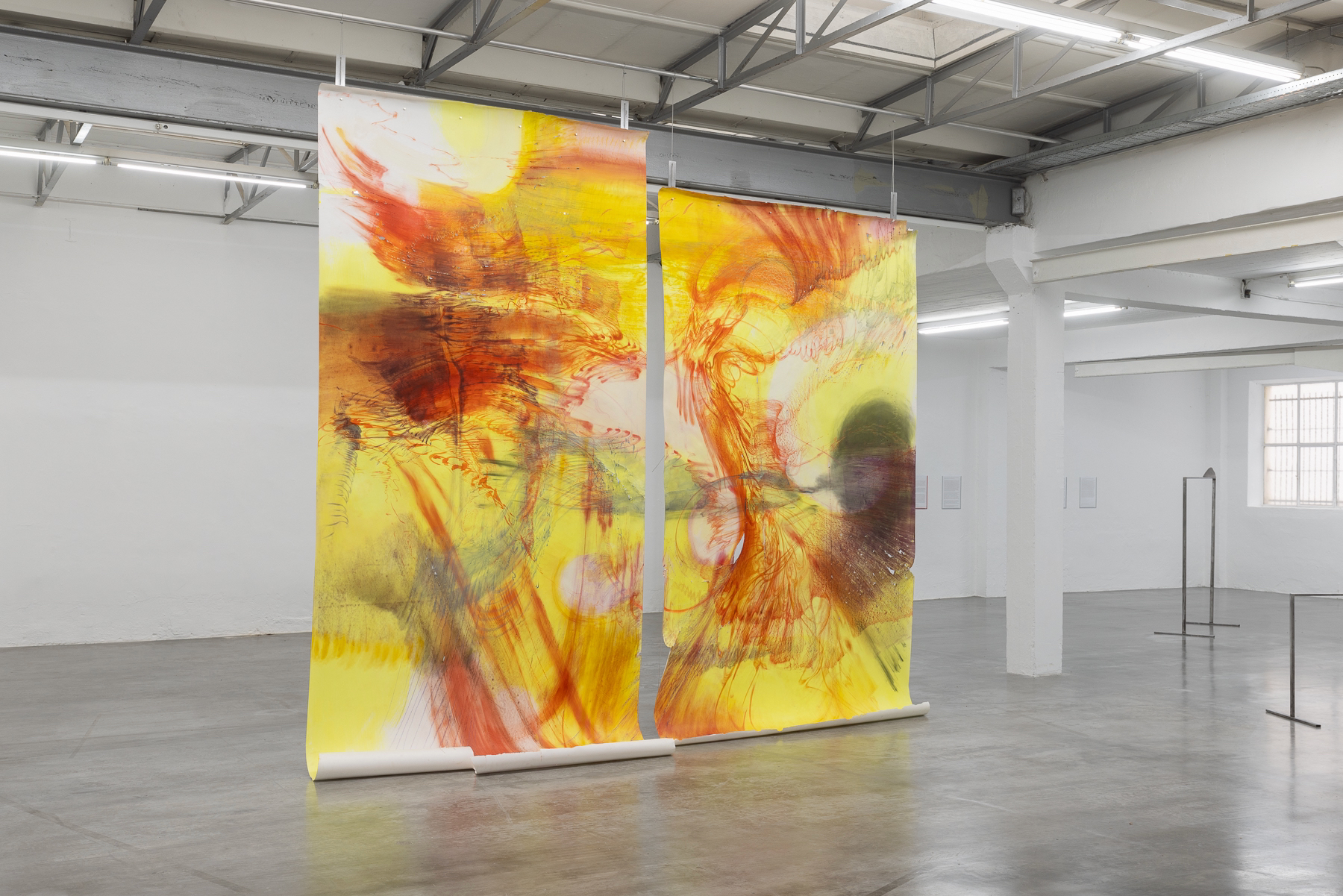
Maria VMier, Noch o.T. [ZINNOBER-SCHWEFEL],2023, Ink, pigment, tempera, pencil, chalk and charcoal on perforated paper. Photo: Thomas Splett.
Maria VMier, Noch o.T. [ZINNOBER-SCHWEFEL],2023, Ink, pigment, tempera, pencil, chalk and charcoal on perforated paper (detail) Photo: Thomas Splett
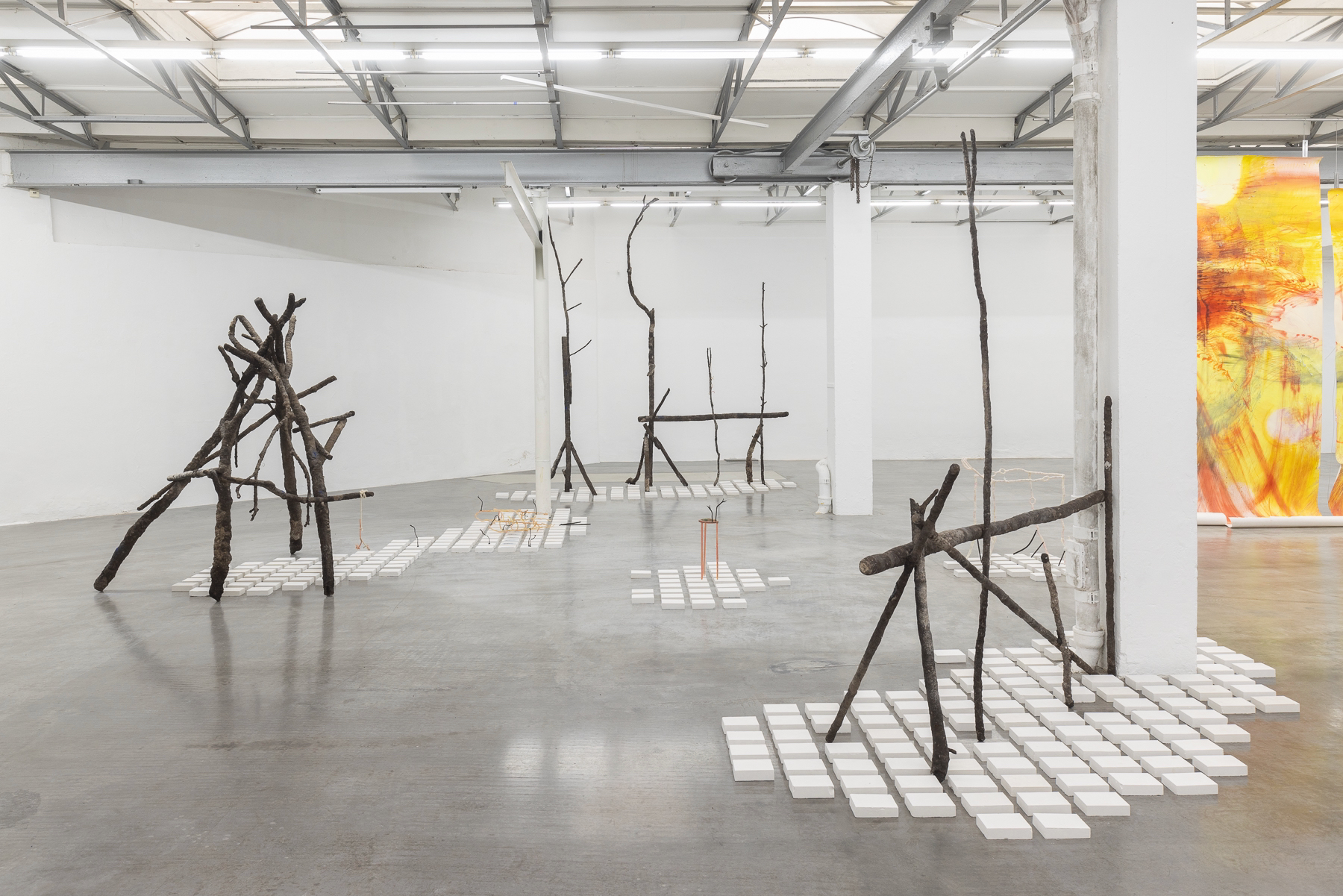
Hannah Mitterwallner, Mis-play, 2023, plaster, wood, sugar, installation view. Photo: Thomas Splett
Hannah Mitterwallner, Mis-play, 2023, plaster, wood, sugar, detail. Photo: Thomas Splett
Hannah Mitterwallner, Mis-play, 2023, plaster, wood, sugar, installation view. Photo: Thomas Splett
Hannah Mitterwallner, Mis-play, 2023, plaster, wood, sugar (detail). Photo: Hannah Mitterwallner
Judith Adelmann, I like your curvy waves, 2023, glazed ceramic, steel, plastic, installation view. Photo: Thomas Splett
Judith Adelmann, I like your curvy waves, 2023, glazed ceramic, steel, installation view. Photo: Thomas Splett
Judith Adelmann, I like your curvy waves, 2023, glazed ceramic, steel (detail). Photo: Thomas Splett
Hannah Mitterwallner, Mis-play, 2023, plaster, wood, sugar (detail).
Judith Adelmann, I like your curvy waves, 2023, glazed ceramic, metal, readymades (detail). Photo: Thomas Splett
From Animal to Mineral, 2023, installation view
Sophia Mainka, Habit Loss, 2023, Metal, fabric, wood, leather imitate, plastics, glazed ceramics, video. Photo: Thomas Splett
Sophia Mainka, Habit Loss, 2023, Metal, fabric, wood, leather imitate, plastics, glazed ceramics, video (detail).
Sophia Mainka, Habit Loss, 2023, Metal, fabric, wood, leather imitate, plastics, glazed ceramics, video. Photo: Thomas Splett
Jonathan Penca with Jakob Penca, Field Plots, 2023, animation film, 14 min, installation view. Photo: Thomas Splett.
Rachel Fäth, Passage, 2022, Glass, steel, screws and nuts. Photo: Thomas Splett.

Texts included in the exhibition:

From Animal to Mineral

Judith Adelmann, Rachel Fäth, Sophia Mainka, Hannah Mitterwallner, Jonathan Penca, Maria VMier

15.12. 2023 – 18.02.2024

Lothringer Halle, Lothringer Str. 13, 81667 München

Filmstill_Mainka_HabitLoss(1)


“Animals” are wolves mainly, rats and the wasp. “Mineral” is everything imperceptible: elements, particles and molecules. To go from animal to mineral is to experience becoming, to step across a threshold and change. 

I began my reading of A Thousand Plateaus, specifically the chapter “1730: Becoming-Intense, Becoming-Animal, Becoming- Imperceptible …” 1 during the corona pandemic, when environmental concerns were at the forefront of almost every media discussion. Defining humanity’s role in nature seemed like an important task and Deleuze and Guattari’s work was useful in addressing the too easy distinction between nature and culture. I liked how Deleuze and Guattari saw the dominance of our species over others as a philosophical problem of autonomy where Man as a thinking being is subject only to the laws of his own construction. For them, the capacity for conscious thought conferred upon Man a dignity denied to other creatures, making their voices unheard. 

Whereas, in A Thousand Plateaus Deleuze and Guattari present nature as an endless variability, the “whole thousand-voiced multiple” of Difference and Repetition 2. Here, nature is a multi-voiced body, where the voices constituting this body resound in each other in a “clamor of Being.” In this din, my voice is one of many and many voices resonate in mine 3. For Deleuze and Guattari, to change the human collective relation, not just to animals, but to earth itself, would demand that we stop hearing just our own voice and become aware of the noise of others. This is the experience of becoming-animal, becoming-imperceptible. It is to shed Man’s mantle and learn how to listen, becoming the voice of many. 

Since 2021 I have realised a series of exhibitions at various locations in responses to different aspects of this chapter of A Thousand Plateaus, whether to its ideas of nature, technology or memory. This exhibition at Lothringer 13 Halle confronts the idea of becoming, specifically in our relation to nature, more directly. In different ways all the artists participating in this exhibition share these concerns, many acutely aware of working in the era of the Anthropocene, where the human impact on the planet can no longer be denied.

To their cluster of voices I add my own, belonging to the writer. The texts I have written over the past few years in response to Deleuze and Guattari’s chapter on becoming are on display throughout the room. The texts resonate with the artwork, and the art inhabits the text. The exhibition is an experiment in the construction of a multi-voiced population, a pack of wolves, a people of rats. 

Magdalena Wisniowska, November 2023

1) Deleuze, Gilles and Guattari, Félix, A Thousand Plateaus, trans. Brian Massumi, (Minneapolis, London: University of Minesota Press, 2005).
2) Deleuze, Gilles, Difference and Repetition, trans. Paul Patton (New York: Columbia University Press, 1994), 304.
3) Ibid.

The Flamekeepers

Lilian Robl

13.07. – 20.08.2023

Lothringer 13 Studio, Lothringer Str. 13, 81667 München

Lilian Robl, The Flamekeepers, 2023, installation view
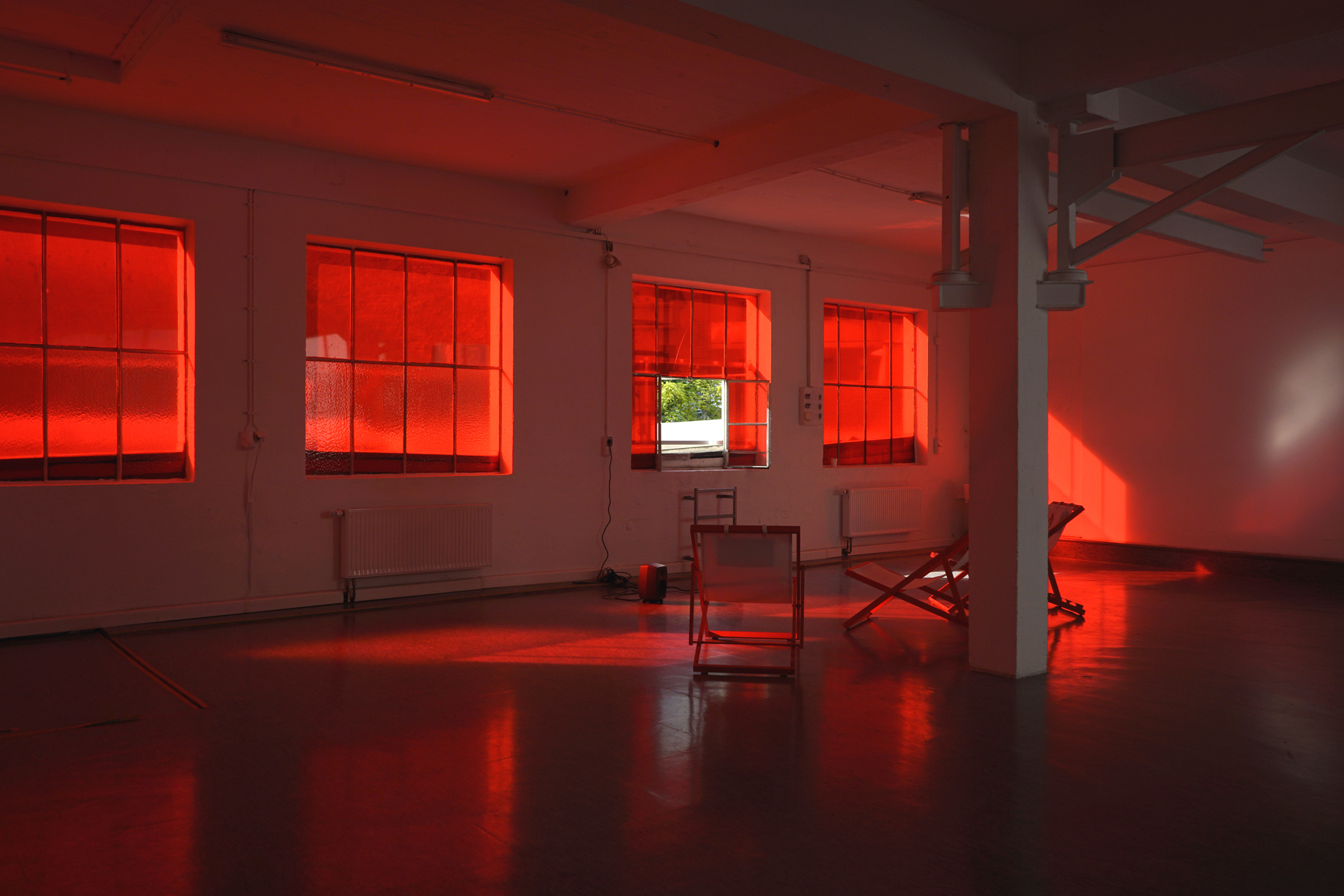
Lilian Robl, The Flamekeepers, 2023, installation view with red filter and poster
Lilian Robl, The Flamekeepers, 2023 with red filter and poster
Lilian Robl, The Flamekeepers, 2023 with poster
Lilian Robl, The Flamekeepers, 2023 with red filter, speakers and poster
Lilian Robl, The Flamekeepers, 2023 installation view
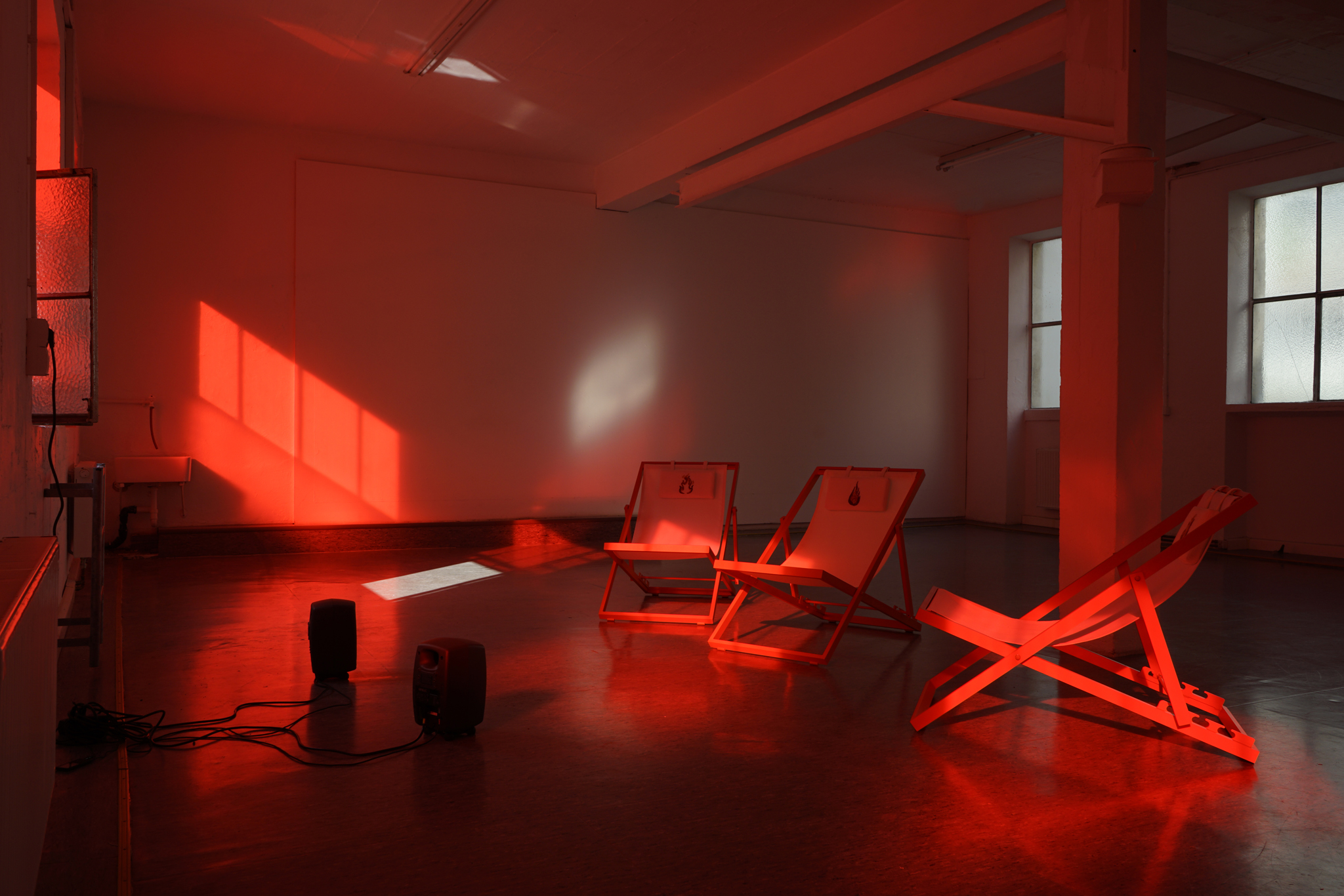
Lilian Robl, The Flamekeepers, 2023 with customised deckchairs
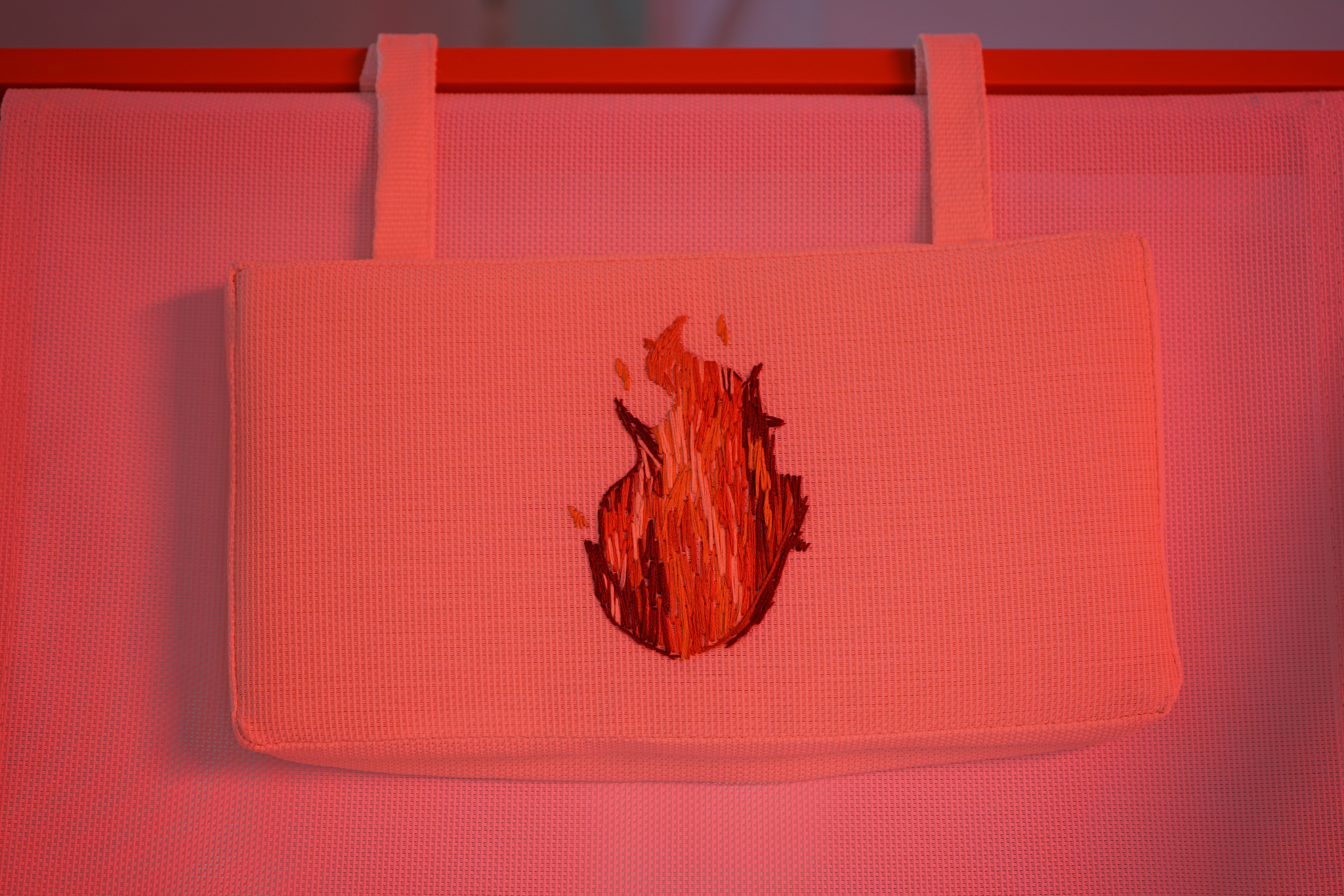
Lilian Robl, The Flamekeepers, 2023 deckchair embroidery (detail)
Lilian Robl, The Flamekeepers, 2023 installation view

At each corner, each fork in the road, we encounter the same: Man. Not some man, a particular man with a friendly, if white European face, but man as a standard on which every opposition is based. This is the man that is the principle term in the opposition of male/female, white/red, rational/mad. A center point from which all other points take measure. The point of origin all other points echo. This kind of man is one “gigantic memory.”

The path we take instead is a straight one, without any crossroads. As soon as we open the door to the Lothringer 13 Studio space there is only the left. Nothing takes place on the right hand side. On the left there are four large windows covered with transparent red filter and once again there is no alternative to the redness that saturates the entire room with colour.  Also on the left there are three deck chairs clustered around some speakers. Left is an open window. A poster hangs at the very edge of the distant wall behind.

At each step of the exhibition “The Flamekeepers” Lilian Robl invites us to think of lines. In this sound sketch that is part of the preparation work for a larger video piece, the protagonists –  Emma Hauck, Ingeborg Bachmann, Rabe Perplexum – are not points but lines. For points would be women who as minorities are defined in opposition to the major term, man. Whereas lines flicker with flames of becoming. The lines of becoming are not the mathematical lines of history connecting two or more distant events in the point system of memory. Rather these lines pass between points, constituting a distinct no-man’s land. On this land no man can stand, because here is a place where the discernibility of points disappears. Deleuze and Guattari write that these murky zones form a “line-system of becoming.” 

Robl is very good at identifying these indiscernible points, these lines of becoming, in order to constitute a kind of anti-archive, a non-collection of anti-memories. There is Emma Hauck, who in her schizophrenia feels she can control her world and make a nurse jump or a housefly drown. She sits down to repeatedly write to her husband: komm! Her writing is her body as she mechanically writes and rewrites the same word. Her writing is also a landscape she sees out of her window, a grey forest of lines you can walk into. Recalling Heathcliff’s wish to embrace Catherine’s corpse, Ingeborg Bachmann writes of wanting to embrace the skeleton of her lover, filling her decayed mouth and choking on the with the dust he has become, at one with his nothingness. Rabe Perplexum changes their name by deed poll to become-raven, flying about and causing havoc from Gärtnerplatz to Stachus.  

Their’s is a terrible suffering. Emma Hauck dies in the Wiesloch asylum, without ever seeing her husband or daughters again. While high on drugs, Ingeborg Bachmann accidentally sets herself alight and dies from her injuries. Rabe’s tongue is a knife and they commit suicide after alienating their friends. To walk in straight lines and not remember – not to make memories by not connecting the distant points of historical events – is painful. But pain and suffering is also what brings about proximity.  We are close to them in their suffering because we no longer separate entities but participants in becoming. When there are no binary distinction at play, they can affect us still and something of theirs passes to us. The wound for Robl must continually be licked open.

  1. Deleuze and Guattari, A Thousand Plateaus: Capitalism and Schizophrenia, trans. Brian Massumi (London and New York: Continuum, 2004), 293. 
  2. Ibid., 294.

Magdalena Wisniowska 2023

Animals on my mind

Julia Klemm, Zuza Piekoszewska

21.10 – 6.11.2022

Lothringer 13 Studio, Lothringer Str. 13, 81667 München

Animals on my mind, 2022, installation view
Zuza Piekoszewska, Old body, 2020, bioplastic, copper spray paint
Zuza Piekoszewska, The nest, 2022, jute, bioplastic
Animals on my mind, 2022, installation view
Zuza Piekoszewska, I’d rather not open my eyes, 2022, mixed
media, fabric, fibre, jute
Zuza Piekoszewska, Ganglions, 2021, bioplastic
Zuza Piekoszewska, Home for troubled eggs, 2022, mixed media
Julia Klemm, pack (series), 2022, ceramic, pigments, dimensions
variable
Julia Klemm, pack (series), 2022, ceramic, pigments, dimensions
variable
Julia Klemm, pack (series), 2022, ceramic, pigments, dimensions
variable
Zuza Piekoszewska, Superrock, 2022, mixed media
Animals on my mind, 2022, installation view
Julia Klemm, pack (series), 2022, ceramic, pigments, dimensions
variable
Zuza Piekoszewska, Serene morning on the cornfied, 2022, mixed
media
Zuza Piekoszewska, The angular dog, 2022, mixed media
Julia Klemm, pack (series), 2022, ceramic, pigments, dimensions
variable
Julia Klemm, pack (series), 2022, ceramic, pigments, dimensions
variable
Julia Klemm, pack (series), 2022, ceramic, pigments, dimensions
variable

Zuza Piekoszewska, Complex problems, 2022, fibre on canvas

Last night I tried to think of the first animal I can remember. My grandmother’s black, shaggy dog perhaps? Or earlier, as my mother would say, the jellyfish that stung me on my wrist. I was only two then. Or earlier still I remember the fish on the beach I would make out of the warm sand. But maybe I am thinking about this wrong, maybe it is not about the actual animals I might or might not remember, but rather that all memories belong to the animal kingdom. Maybe memories are like animals.

First of all, there are the individual memories of different things that happened to us, personal memories like family pets, domesticated. Zuza Piekoszewska shows a small landscape of fields in the early morning mist as described to her by her parents. Elsewhere she remakes a kind of very specific dish cloth her mother used in mid-90s Poland, pastel, striped, homely. Julia Klemm’s lions do not prowl but play around the rubble like kittens. The lions though are a different type of memory. They belong not just to us, but to our culture, much like in the taxonomist’s biological classification, a species belongs to a genus. These animals are ordered along evolutionary lines, significant events of our shared past marking out a historical trajectory. These lions that Julia Klemm gathers, derives from 3D scans of bronze and stone lions dotted around European capitals, traditional symbols of strength, courage and nobility in our Judeo-Christian tradition.   

Finally there are the memories of the pack, memories like the swarm of cicadas that emerge all together and so suddenly, after 17 years of underground sleep. History has no place for such memories; this kind of animal is missing from the taxonomist’s classification systems.  It is less about individuals, identification and contextualisation and more about how to think the animal as already a population. Memories are never single – there is never the one lion. An animal before it is this or that animal, my animal, yours and ours, is an animal like another, but also different. I mean lions as the same but also as mutants, the repetition of genetic material always harbouring mutation. These memories of the pack are always unknowingly carried with us. I am a product of memories I do not even remember; we are a multiplicity of memories that history cannot contain. The most interesting things happen in between the lines, in shared proximities where the discernibility of points disappears. As Deleuze and Guattari write, 

The line-system … of becoming is opposed to the point-system of memory. Becoming is the movement by which the line frees itself from the point, and renders points indiscernible…(Thousand Plateaus, 294)

 Here becoming is an anti-memory. To really learn how to remember animals, we must first forget. 

Magdalena Wisniowska, 2022

GiG air – Hannes Heinrich

This is the first of a series of ‘air’ exhibitions, based on a visit to the artist studio.

Hannes Heinrich, Untitled (Rockaway), 2022, charcoal & oil on canvas, 45 x 35 cm
When attempting to describe the paintings of Hannes Heinrich, it seems useful to think in terms of Peirce’s typology of the sign. For there are three ways in which a sign might denote the object, all at work in his painting. The first way is iconic, where the sign in some way resembles or imitates its object; the second is indexical, where the sign and the object have a direct connection, and finally, the third is symbolic, where the sign denotes the object by means of a convention or rule that allows for interpretation. Now by large, Hannes Heinrich paints objects he finds in his studio. Nothing uncommon and everything ordinary: there is a chair, a plant by the window, trainers with shoelaces undone. There is his body, his head, face, hands and feet. Especially in the past we could clearly distinguish these objects in his paintings as he traced their shadows directly onto canvas. His work was thus primarily iconic, although the actual shadows cast by the objects would be described as indexical. In the last couple of years a shift occurred in his work, where instead of using charcoal to trace an object’s shadow he began to wrap the canvas around an object and trace it directly, in a kind of vaguely erotic, masturbatory surrealist act. In this new work, the technique of frottage was no longer limited to a textured surface but now included the object in its three dimensional entirety. These charcoal tracings would then become the basis for his paintings as elements were further rubbed away or painted over.  The indexical aspect of his work therefore gained importance. 

Hannes Heinrich, ‘o.T.’, 2021, oil on canvas, 210 x 160 cm

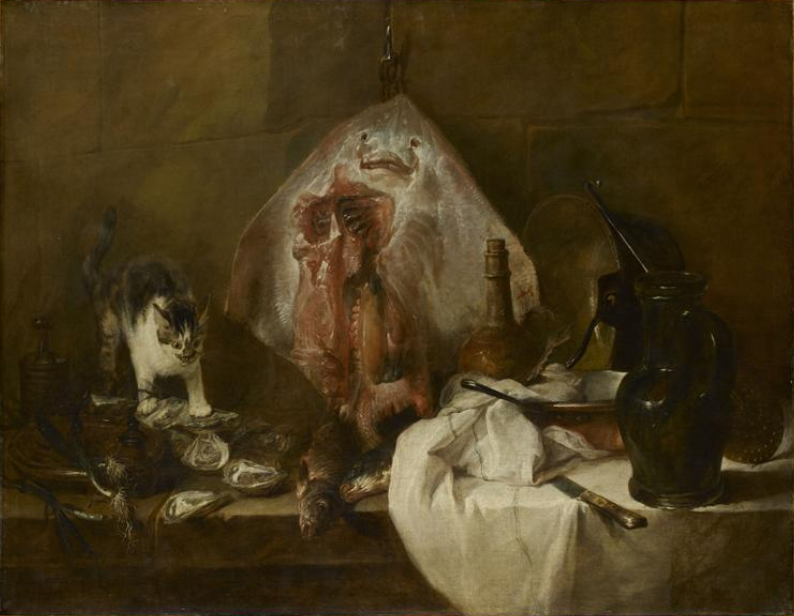
Yet whether more iconic or more indexical, this did not alter the work’s symbolic character. As much as his, or indeed any other painting, looks like or is a trace of an object, it must also be understood as a convention or a sign – a fact of which Heinrich is well aware. Already Braque and Picasso’s art dealer understood this explicitly, associating cubism’s new found freedom from illusionistic practice with the recognition of painting as ‘script’ ( as quoted by Yve-Alain Bois in ‘Kahnweiler’s Lesson‘). But structuralist and poststructuralist readings of western art history especially common in the 80s and 90s, showed that all painting, no matter how abstract or realistic, also functioned within this symbolic system. When introducing cubism as an art movement, Francis Frascina shows that the use of the symbol was already at work in the most illusionistic of Chardin’s still lifes, arguing that a painting like ‘The Ray’ was not only about the painter’s ability to depict the light glistening on the ray’s wet and slimy surface, but also about his ability to play with symbolic meaning. There is sexual significance to be found in the exposed gonads of the ray fish – not to mention its sexually suggestive shape – as well as in a particular kind of jug, that Chardin’s contemporaries would well understand. 


Jean Simeon Chardin, ‘The Ray’, 1728, oil on canvas, 114 cm × 146 cm, Louvre Museum, Paris

http://hdl.library.upenn.edu/1017/d/fisher/n2002100626

If Frascina could still be confident that in the 1700s a jug could stand for a uterus and then show how the later, more contradictory and playful Picasso collage questions the conditions of representability, in our post-internet age signs have shown themselves to be inherently far more slippery. We may think of signs consisting of a signifier and signified, a particular expression linked to a certain content, but within the social context of the sign (a sign always needs to be interpreted by someone) a sign refers to as much another sign as it does a signified. This is why Deleuze and Guattari in the chapter ‘587 BC–AD 70: On Several Regimes of Signs’ of  A Thousand Plateaus do not think of the sign as a Saussurian closed language system, terms defined by a set of relations, but instead as a deceptive signifying regime of endless, circular debt. A sign always refers to another sign and in doing so marks itself as deceptive. We see or hear something, but we also know that meaning is not found in the shapes that we see or the sounds that we hear – that meaning is found elsewhere. What we hear and see is meant to deceive us. There is paranoia associated with the sign, we, forever suspicious as to what a thing might or might not signify. 

What is it then, that we see or hear in this paranoid way, if the signifier always deceives us, hiding its meaning somewhere else for us to find? Deleuze and Guattari would argue that what we encounter in the signifying regime is a mask or a face. Or rather, the face is always already a mask. We do not see the order behind the visible, but the structure of the visible, and that takes empty, hollow shape of the mask. That we are able to negotiate this world of signs and not fall into a constant state of paranoia, is because of the meaning we find in the face itself and which we then project onto the world. According to Deleuze and Guattari, the face is the means by which the signifying regime controls and organises the world, the semiotic configuration of political power. As such it is despotic, in that someone – the despot – has to tell us in a manner that brooks no argument: see this, in that. The despot needs the face in order to wield his power over us.  

(And it has to be said, there is something despotic about the way semiotic interpretations have been used in art history and it is indeed unsurprising that someone like Frascina mentions masks in his discussion of cubism. The distorted faces of Picasso’s ‘Les Demoiselles d’Avignon’ are presented as references to the ‘primitive’ African mask, signifier of the then contemporary obsession with ‘primitive cultures’ and marked by the fear of the other.)

But despite including his face as one of the objects in his studio that he wraps in canvas and traces in charcoal, in a gesture that echoes St. Veronica’s veil – and let us remember, for Deleuze and Guattari, faciality is something they specifically associate with the rise of Christianity in western culture – there are no faces in Hannes Heinrich’s paintings. There isn’t even a faciality at work. As signs, his canvases with their traces of charcoal and paint do not deceive us, instead I would argue, they betray. Rather than confronting us with an empty frontal stare, they turn their face away, and we are forever looking around the edge of the canvas, with its marker line, to guess at the pattern of the folds, the movement of charcoal, and the object that the canvas once held. How is it that Heinrich repeatedly confronts the objects in his studio? He wraps them in canvas to hide them, so that they cannot be seen, so that their gaze is averted, veiled. If in Hebrew the word for face is ‘presence,’ then the veiled face, the face hidden in the hands of Moses, would be understood as absence.  

For Deleuze and Guattari, betrayal is central to the new post signifying or passional regime, to which it bears witness. They argue that we do not live in the one signifying regime – neither do we only live in the other, the post signifying one – but always in a mix of both. In the signifying regime we are always faced with a multitude of signs, one forever leading to another; in the passional regime, there is a plurality of the subject, a ‘redoubling of the subject with a point of subjectification.’ In their reading of Althusser, when someone or something calls to us, we, as social individuals become constituted as interpellated subjects. You call and ‘I’ answer, your call determining in part that ‘I’ I become and which I in answering accept. On the other hand, the point of subjectification is the object that Heinrich so obsesses over – the chair, shoes, plant, whatever the case may be – that he cannot let go, that he repeatedly covers and rubs all over. The object of subjectification also calls out, yes, but not to me, because it is standing in profile and looking somewhere else. Heinrich obsesses about his object because as much as he wants to see it, the object doesn’t want to see him. The love here is unrequited. 

For Deleuze and Guattari this moment of unrequited love turning away is an act of betrayal, and it is worth mentioning that in Meyer Schapiro’s account of symbolic form, within our system of visual representation – the account that Frascina draws on so heavily – Judas, the ultimate betrayer, is presented in profile. When it stands in profile, the object as a sign betrays you, because it does not do what it was supposed to do, face you, so that you can find meaning within its mask-like structure. Before, in the paranoid system, everything was about me – me finding significance in everything. Now, I nothing is about me, and I seem irrelevant. By facing somewhere else, the point of subjectification indicates meaning is to be found elsewhere, by a different subject within a different social context and a different organisation of power. The task is now up to me, to assume authority and lend interpretation. But I also betray the object of subjectification, as cannot absorb the this object, I cannot fully mirror the speaking subject that interpellates me. And this double betrayal creates a powerful bond between us. 

Hannes Heinrich institutes his painting within a regime of signs, a mixed regime, as much signifying as passional. Or rather the hold of the object over him, and his paintings over us, is of passion, lending this configuration of power its semiotic structure. His objects are in profile, as are we, when we encounter them in his paintings. I keep returning to his work, not because I find the objects interesting or because they have some hidden meaning but because I am forced by them to look somewhere else, and in doing so, to be someone other than me. 

GiG air – more

This year is the year GiG Munich becomes nomadic as GiG air. 

When I say ‘circumstances force GiG to become nomadic’, I mean it in a very specific way. The last series of exhibitions at GiG Munich in its former location, ‘Thinking Nature’ were in large part a response to Deleuze and Guattari’s chapter ‘1730: Becoming-Intense, Becoming- Animal, Becoming-Imperceptible’ in ‘A Thousand Plateaus’, which I was reading at the time. I was interested in how, in this chapter, they introduced the idea of becoming through the discussion of the naturalist and his approach to classifying nature, either through the establishment of series when comparing outward resemblances, or when comparing interior workings of living organisms, the establishment of inner structures. Deleuze and Guattari oppose to this naturalist approach not only to the kind of symbiotic relation, such as between the wasp and the orchid, that is without offspring and therefore also outside the filial relations of evolution, but also to the becoming-animal of creatures like vampires or werewolves, seemingly fictional yet having nothing to do with an imaginary required of comparing and assessing visual similarities between species. There is a suggestion here that becoming-animal constitutes an alternative relation to nature, or rather a bond that isn’t a relation, a relation without relation, because without a recognisable subject and a distinct object. Instead of a molar organisation, Deleuze and Guattari offer the intensities and speeds of the molecular. The exhibition series ‘Thinking Nature’ aimed to explore the impact of man’s relation to nature has on thought. What kind of thought would there be, if this relation between man and nature would be different?

The project however neglected one crucial aspect of this approach to nature, and that is politics. About two months ago a video work by Franz Wanner alerted me to the politics involved in discussions of the molecular. His work was about Germany’s Erinnerungskultur and the problems associated with it. The way in which specifically businesses acknowledge their Nazi past, results in a production of memory that could be understood in Deleuze and Guattari’s molar terms. For Deleuze and Guattari memory, and not just because of its relation to the imaginary, is inherently molar, because of it follows a point-based arborescent system. We think of memory like history generally: as a string of points, going from past to present, each point some event that we can connect to another. Indeed, we organise history in a way not dissimilar to how the naturalist does his charts, in timelines, with branches breaking off in different directions at significant points. But to truly make history involves anti-memory, a break from arborescence in the production of a molecular lineal system. It involves creation, the making of a new reality that then history can only re-contain. This is GiG’s new project: our cultural organisation of memory and how this relates to our organisation of nature. 

From the filial relationships of evolution timelines and the punctual system of memory it is but a step to the establishment of the state. The state of things, the status quo, is based on man. It is molar – molecular is the nomadic.  Deleuze and Guattaru frame their chapter on becoming on either end with the discussion of the war machine of nomadic origin and of different assemblage to the state apparatus. The war machine is what institutes change and this is why the state cannot appropriate it except as war. The war machine is the mutation the naturalist cannot contain. 

Every creation is brought about by the war machine. GiG air is GiG molecular, a mutant, a war machine. Watch this space.