A chimera is not a pet

Julia Klemm

28.06 – 26.07.2025

together with The Tiger Room at Heßstr. 48 b, 80798 Munich
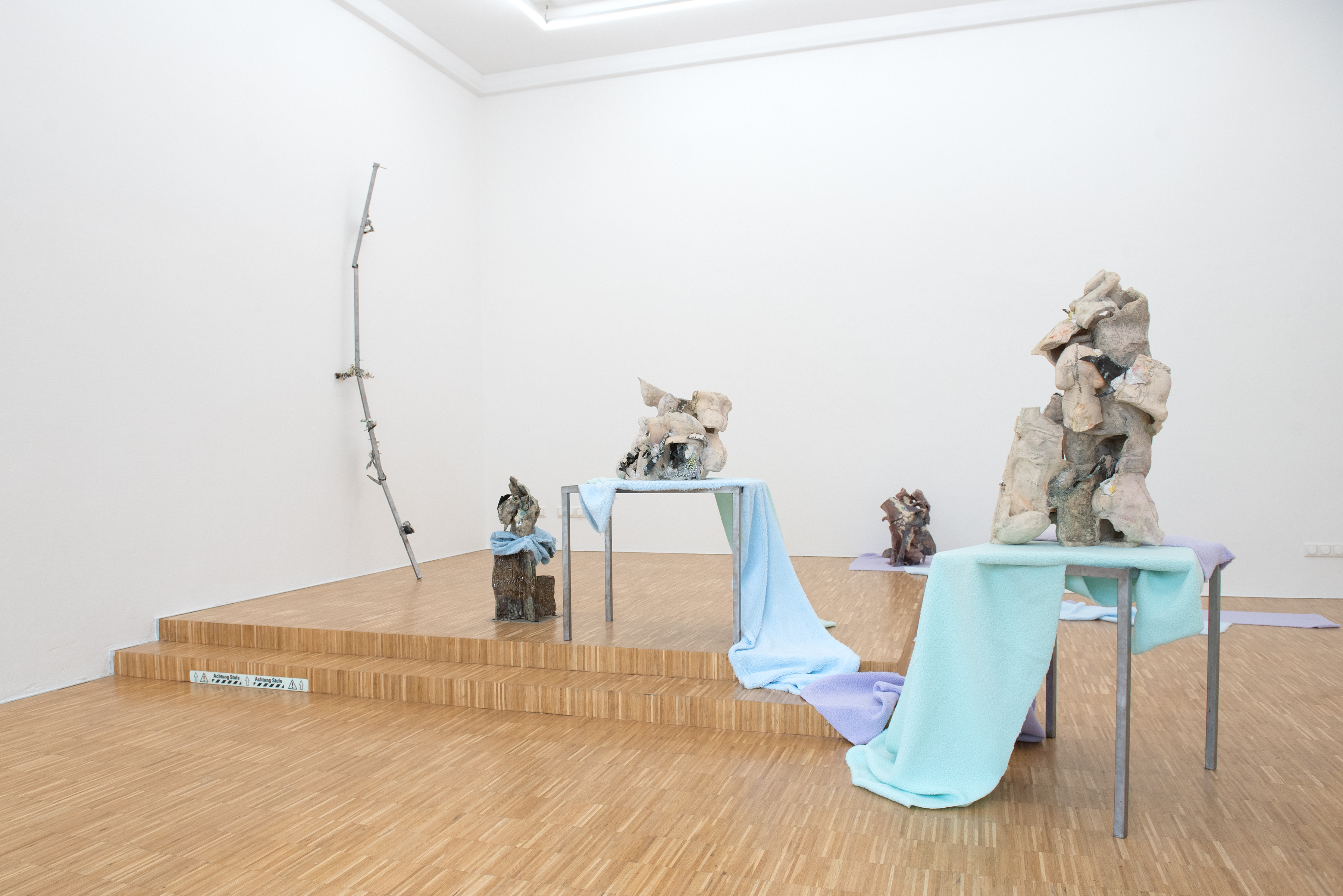
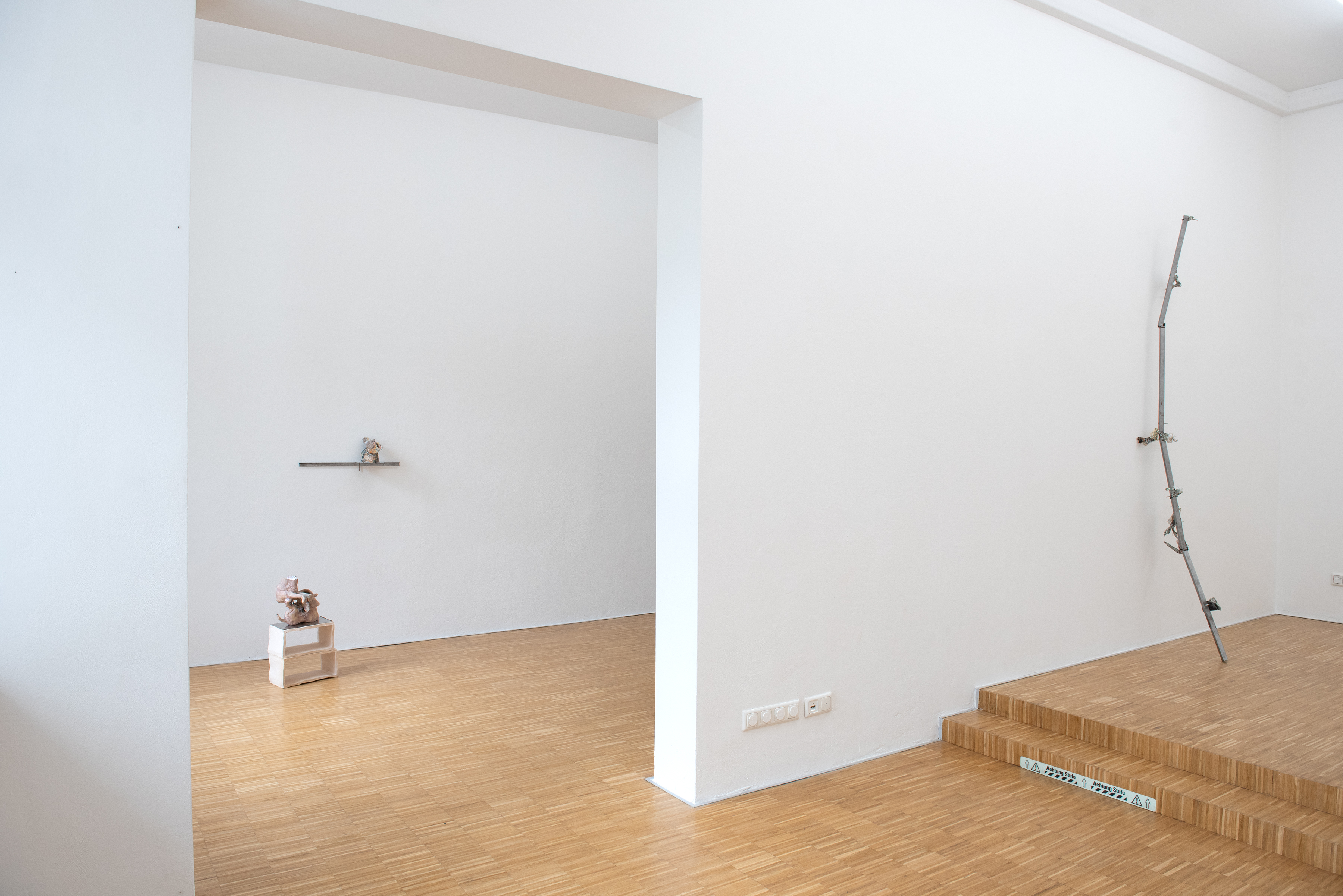
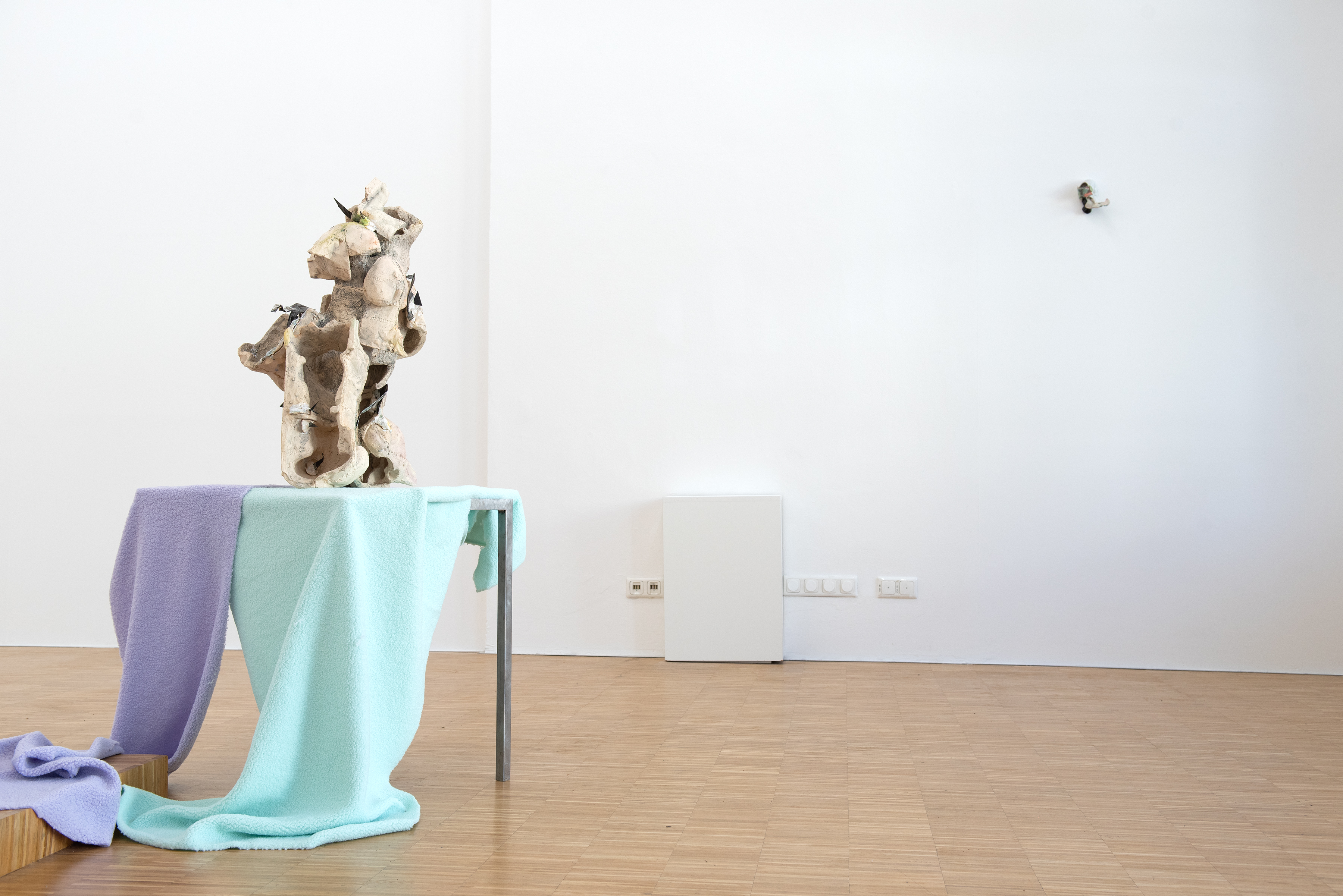
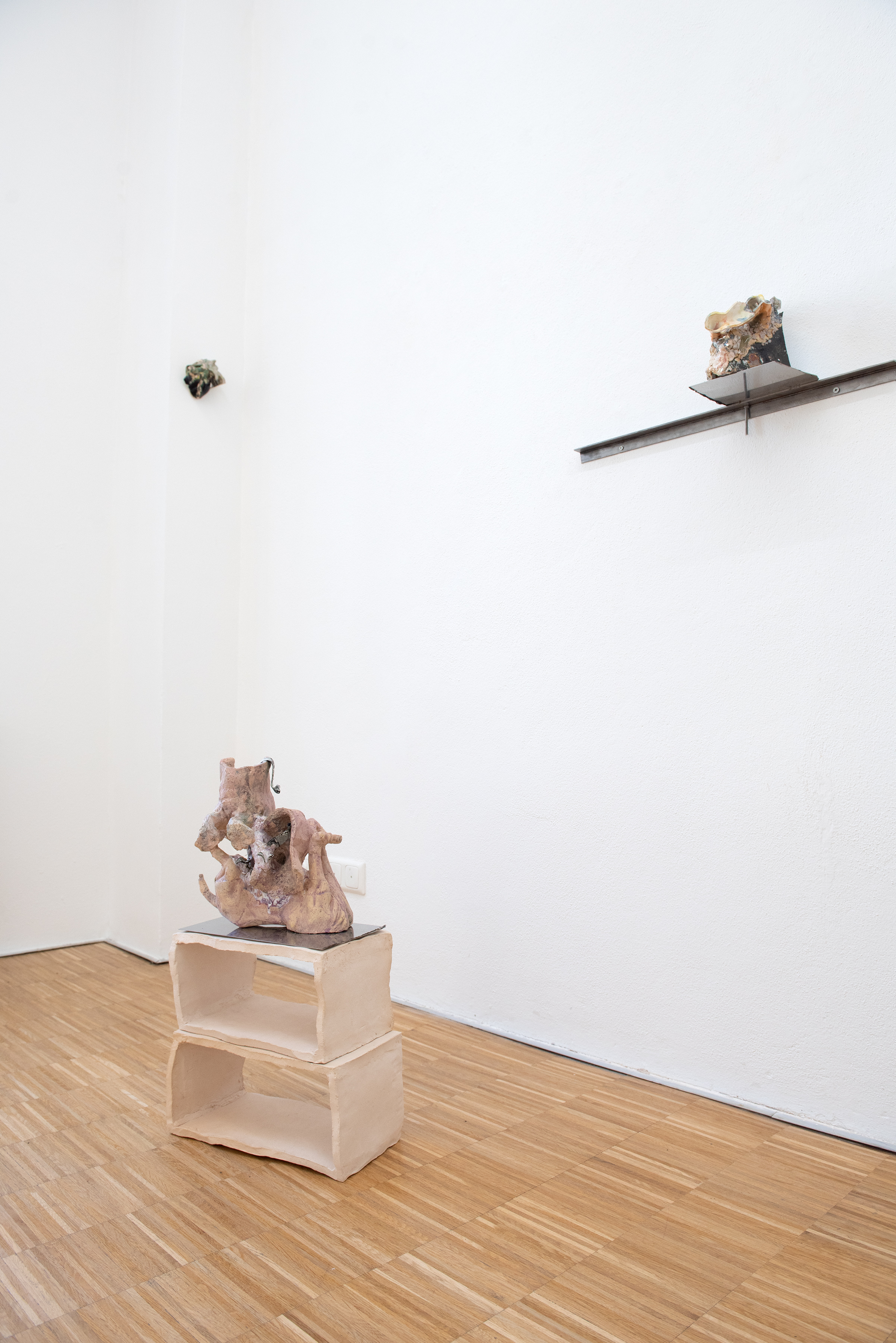
Julia Klemm, A chimera is not a pet, 2025, installation view
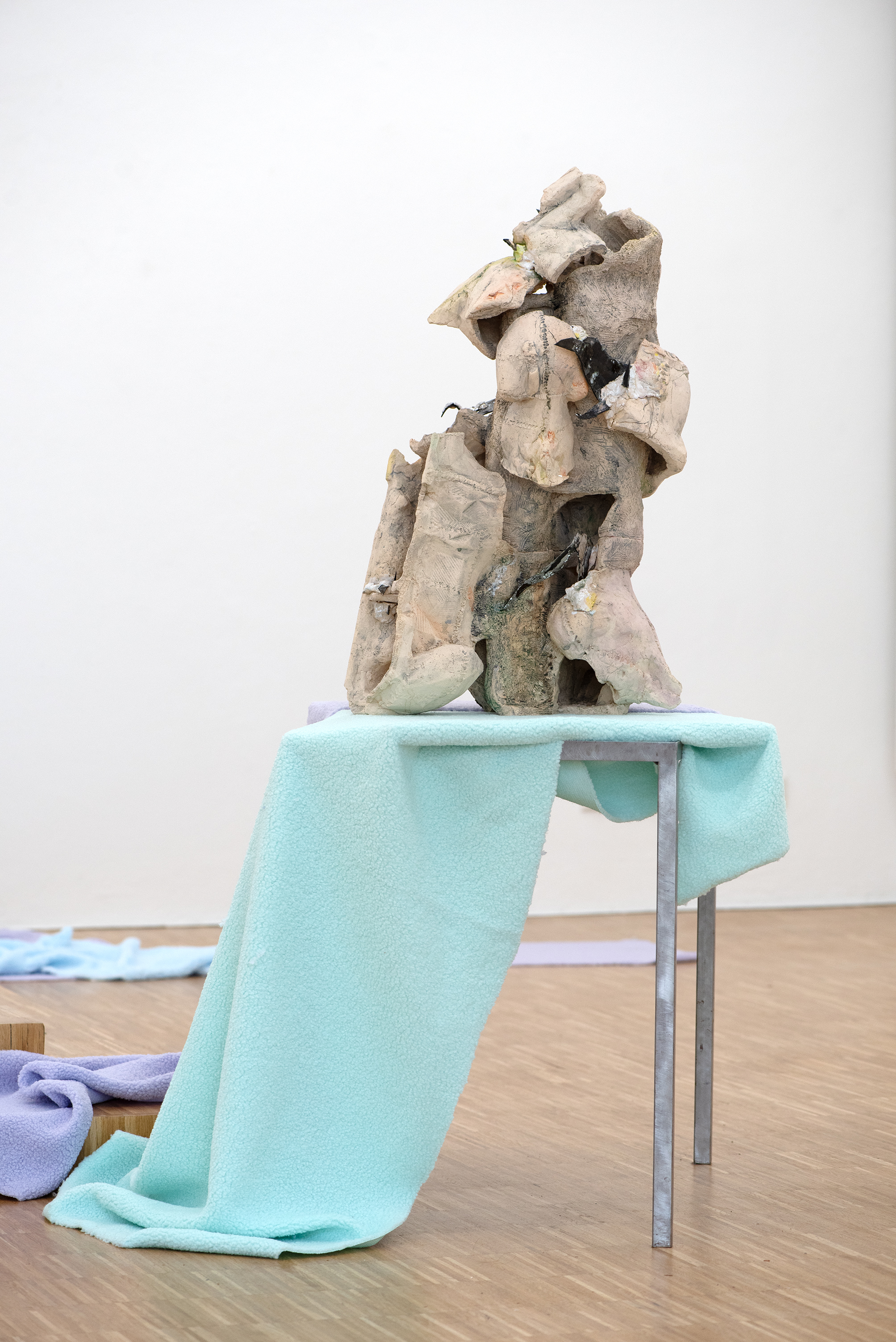
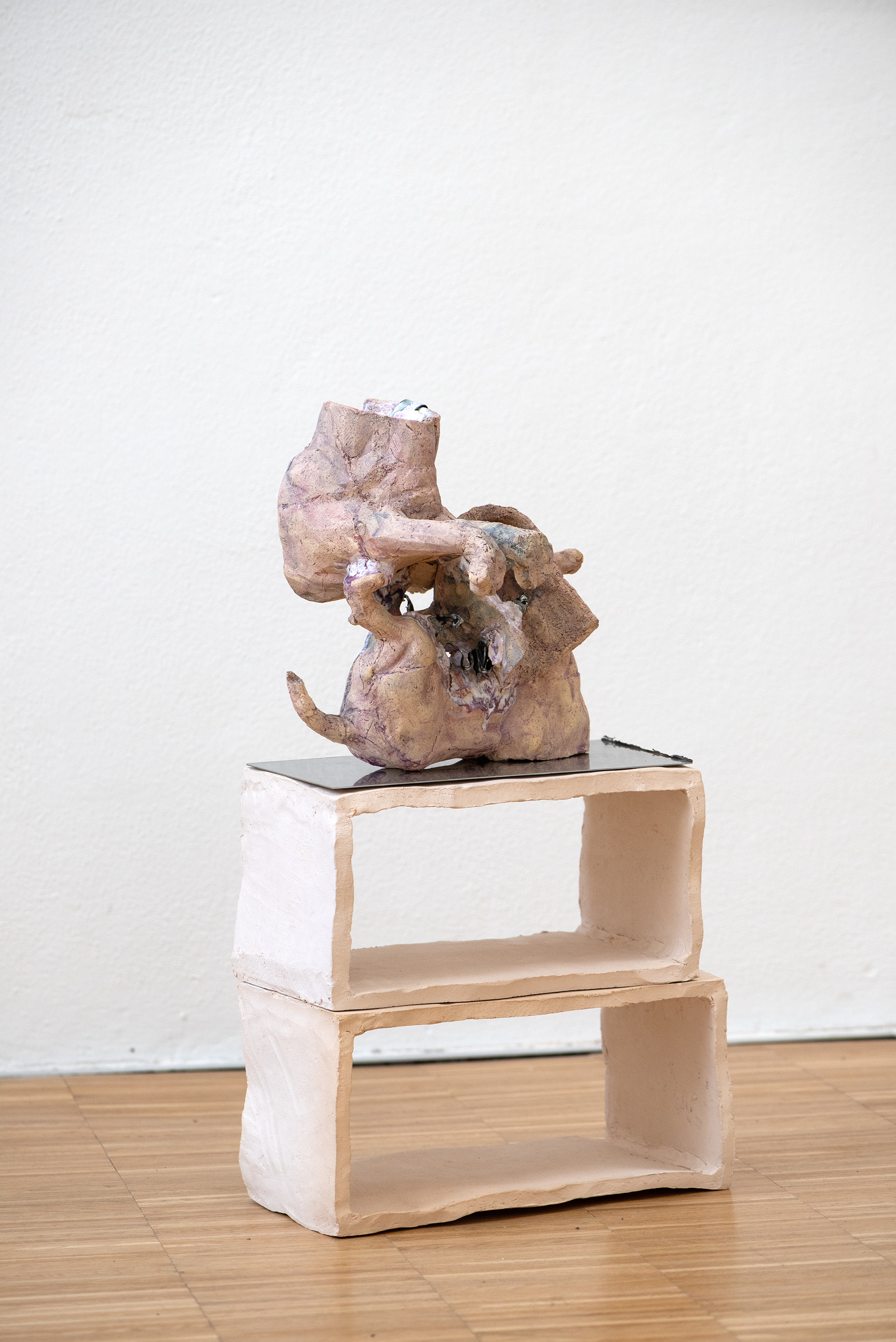
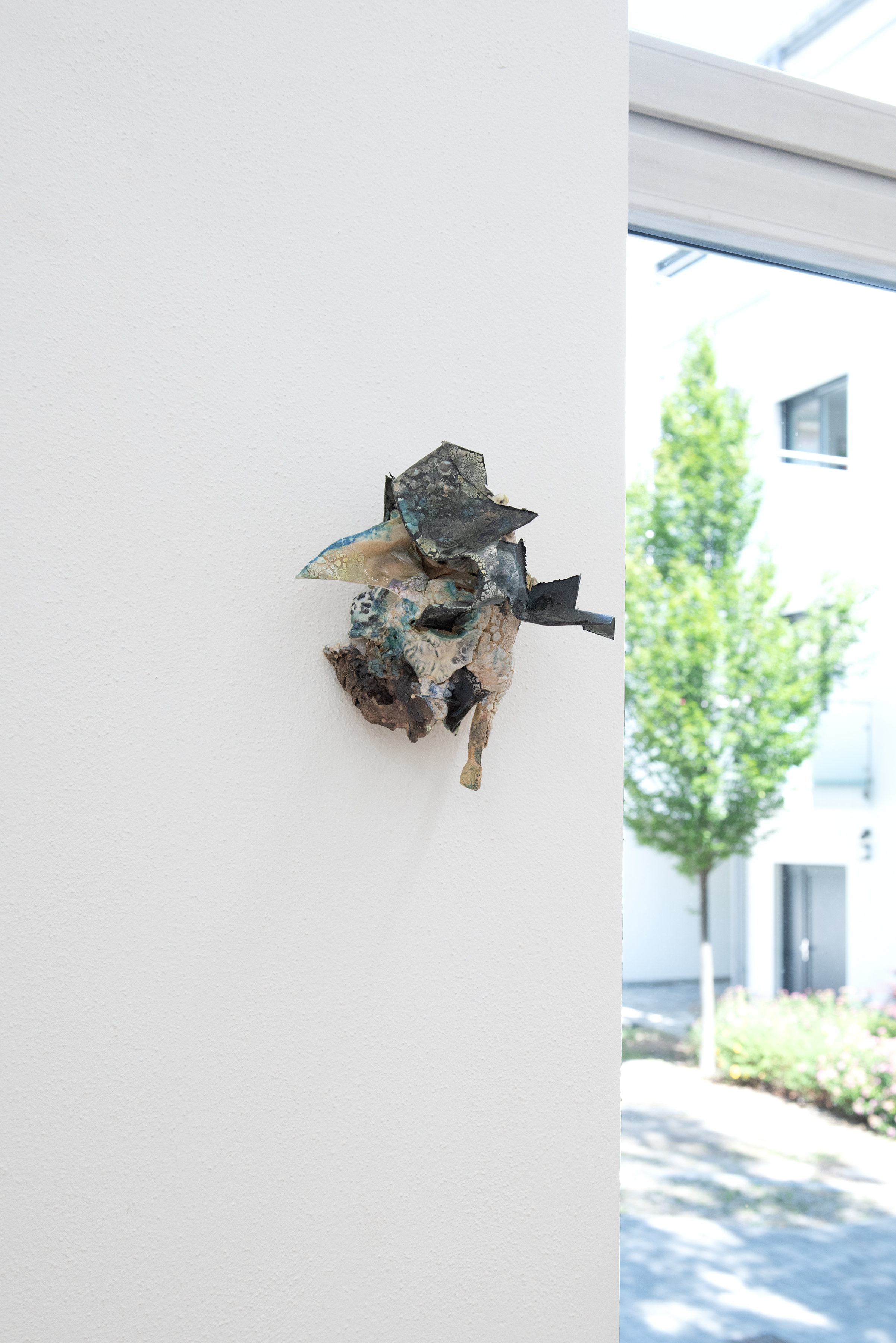
Julia Klemm, A chimera is not a pet 3, 2025, steel, glaze, ceramic, pigment, 46 × 34 × 42 cm
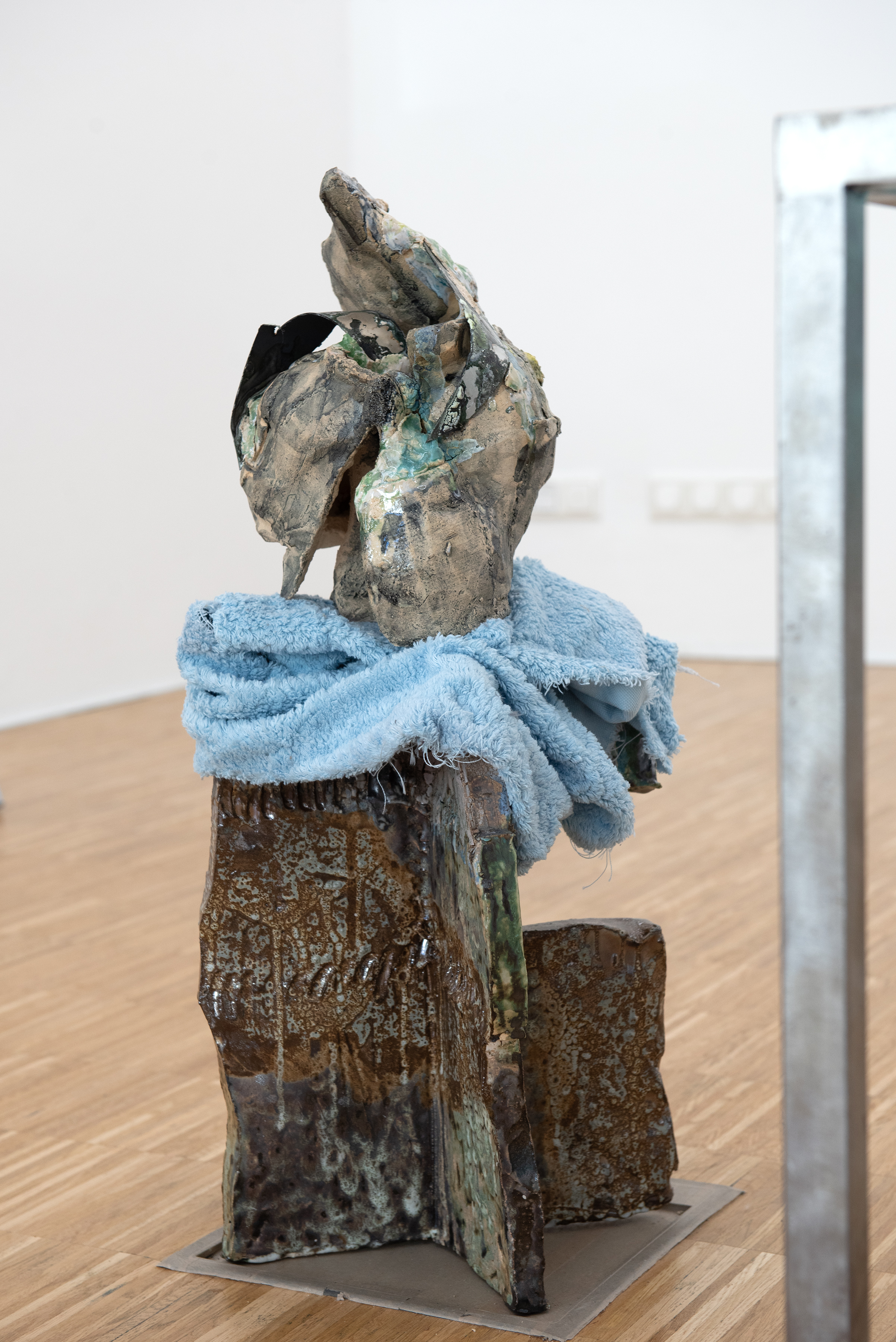
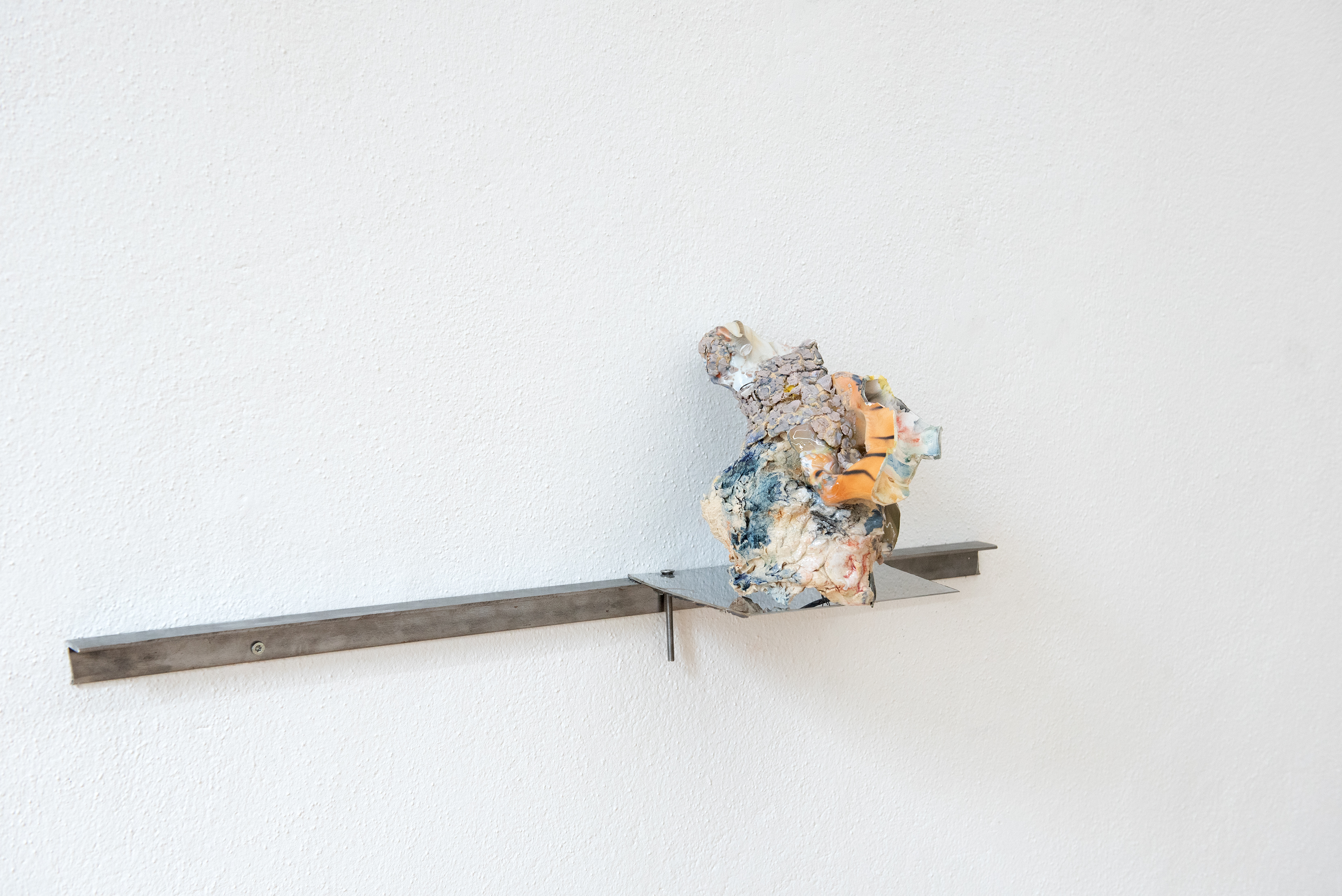
Julia Klemm, Evasion, 2025, steel, glaze, ceramic, pigment, cloth, 23 × 23 × 65 cm
Julia Klemm, A chimera is not a pet, 2025, installation view
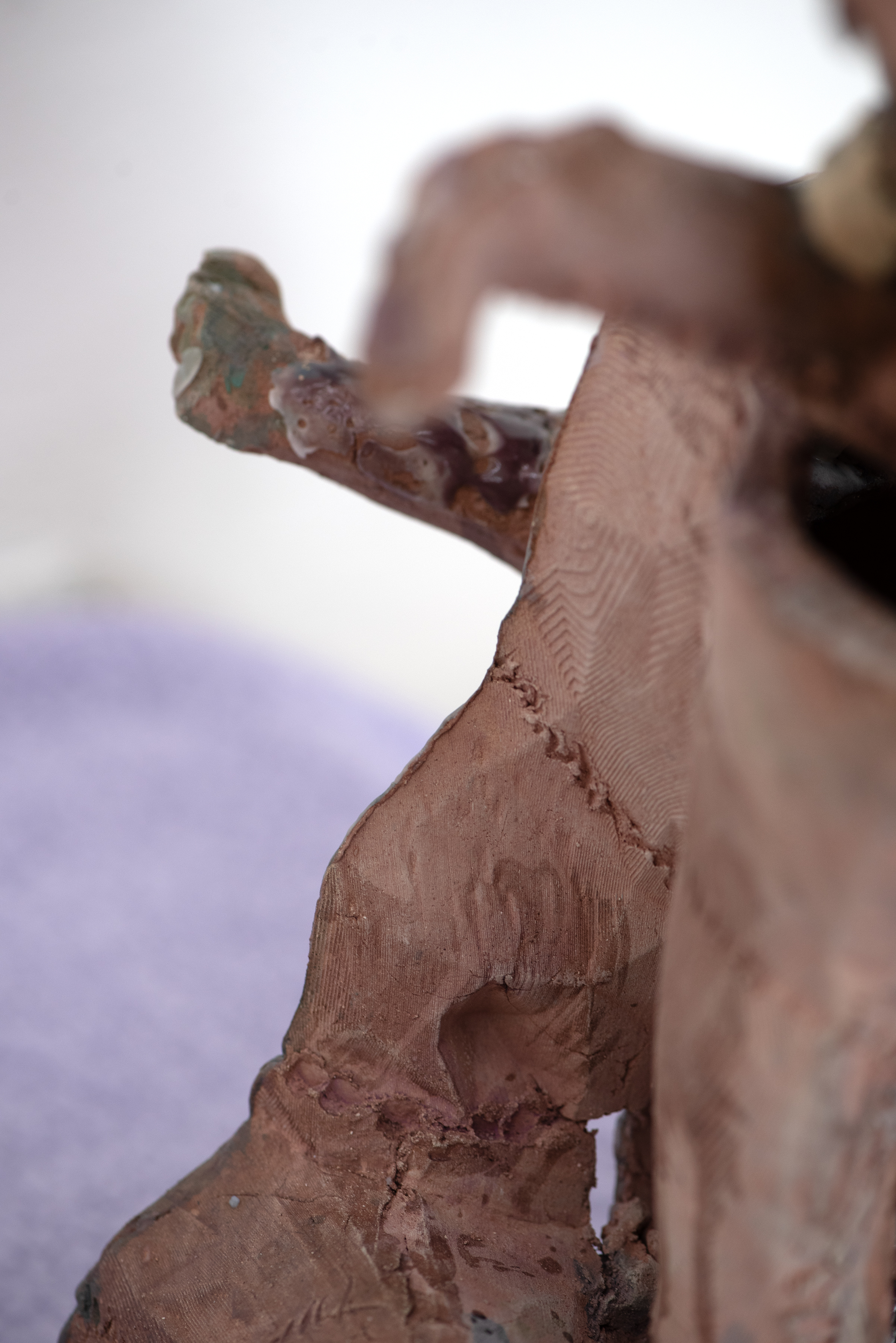
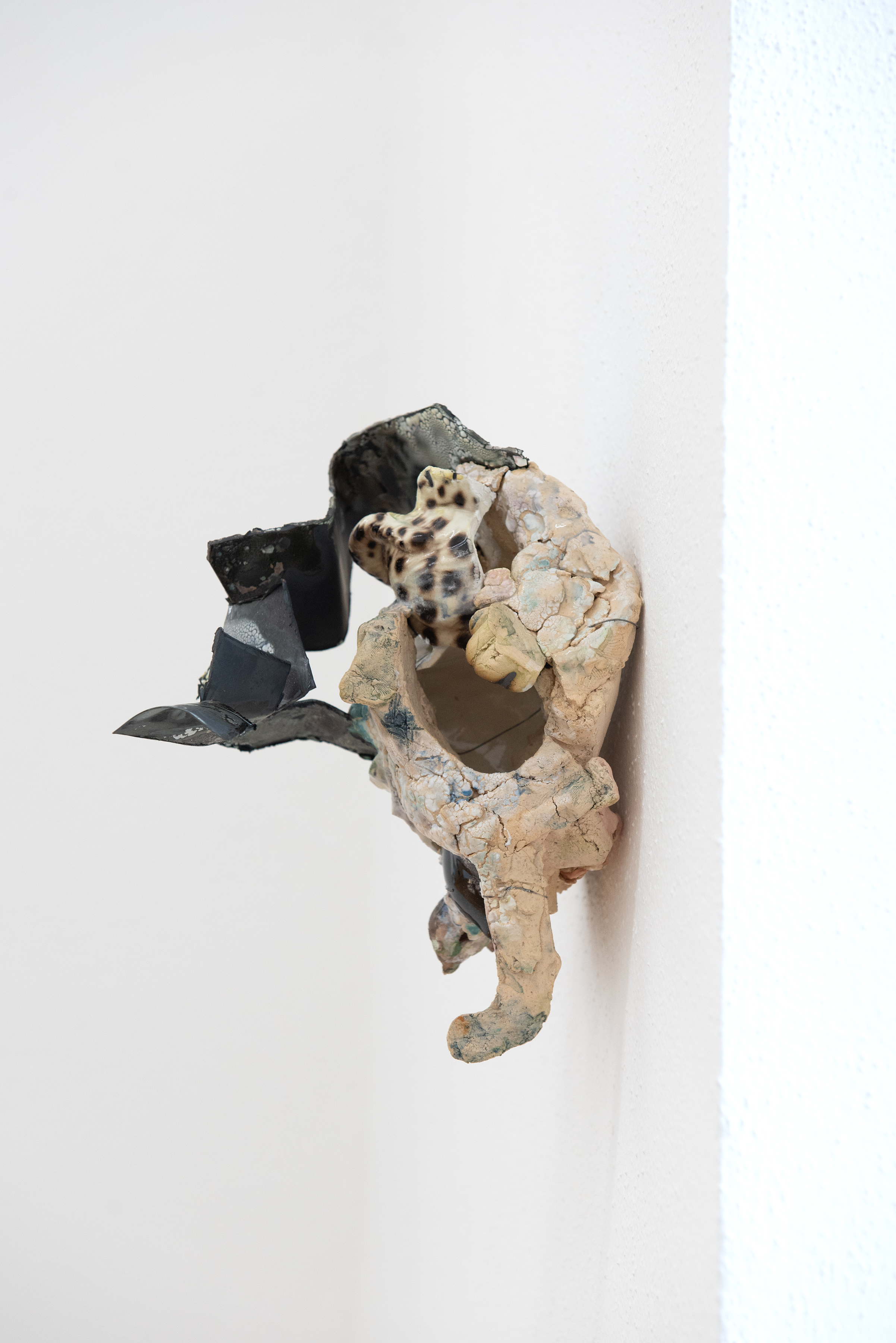
Julia Klemm, Transcending territories, 2024, glaze, ceramic, pigment, 32 × 30 × 48 cm
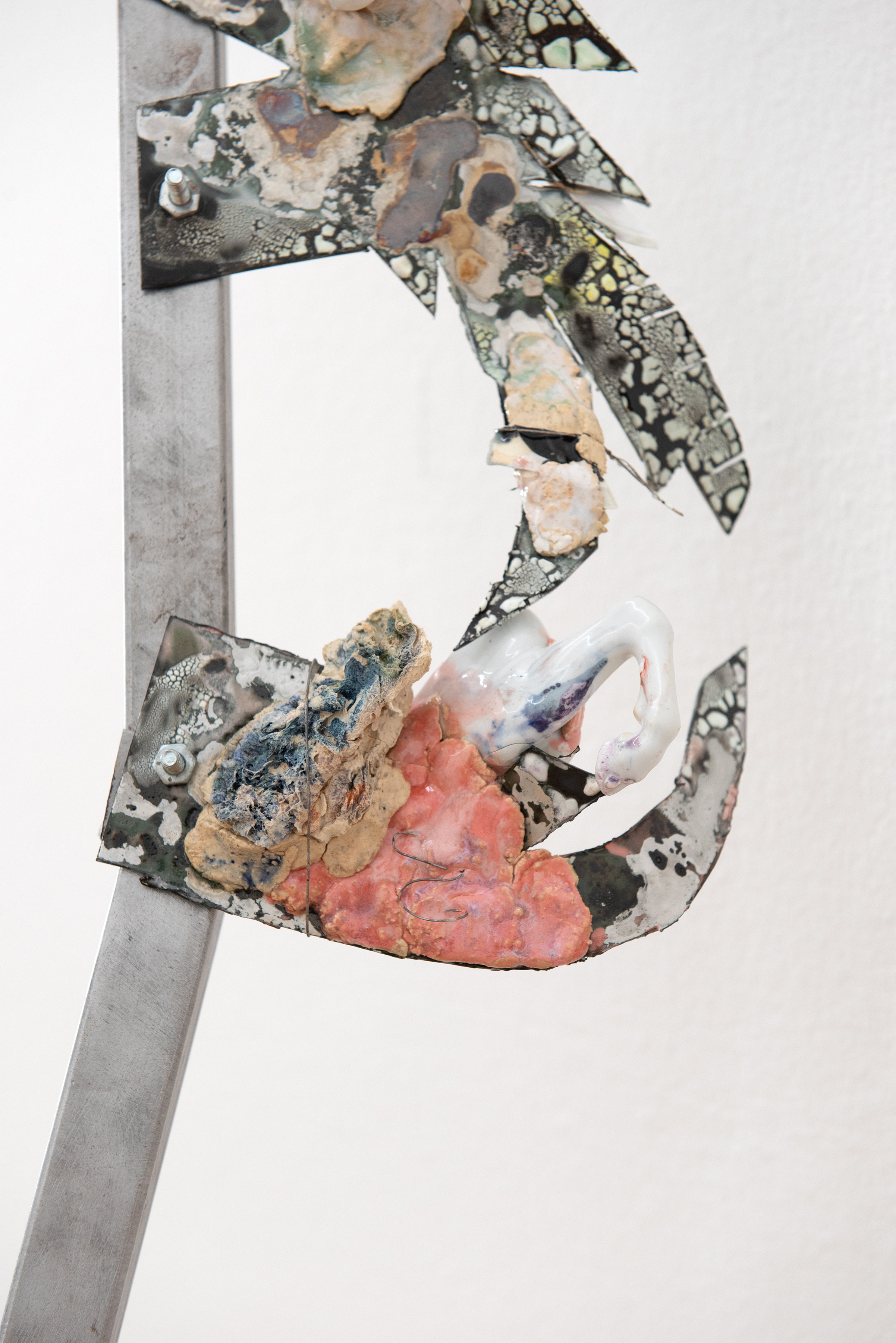
Julia Klemm, Julia Klemm, Transcending territories, 2024, glaze, ceramic, pigment, 32 × 30 × 48 cm (detail)
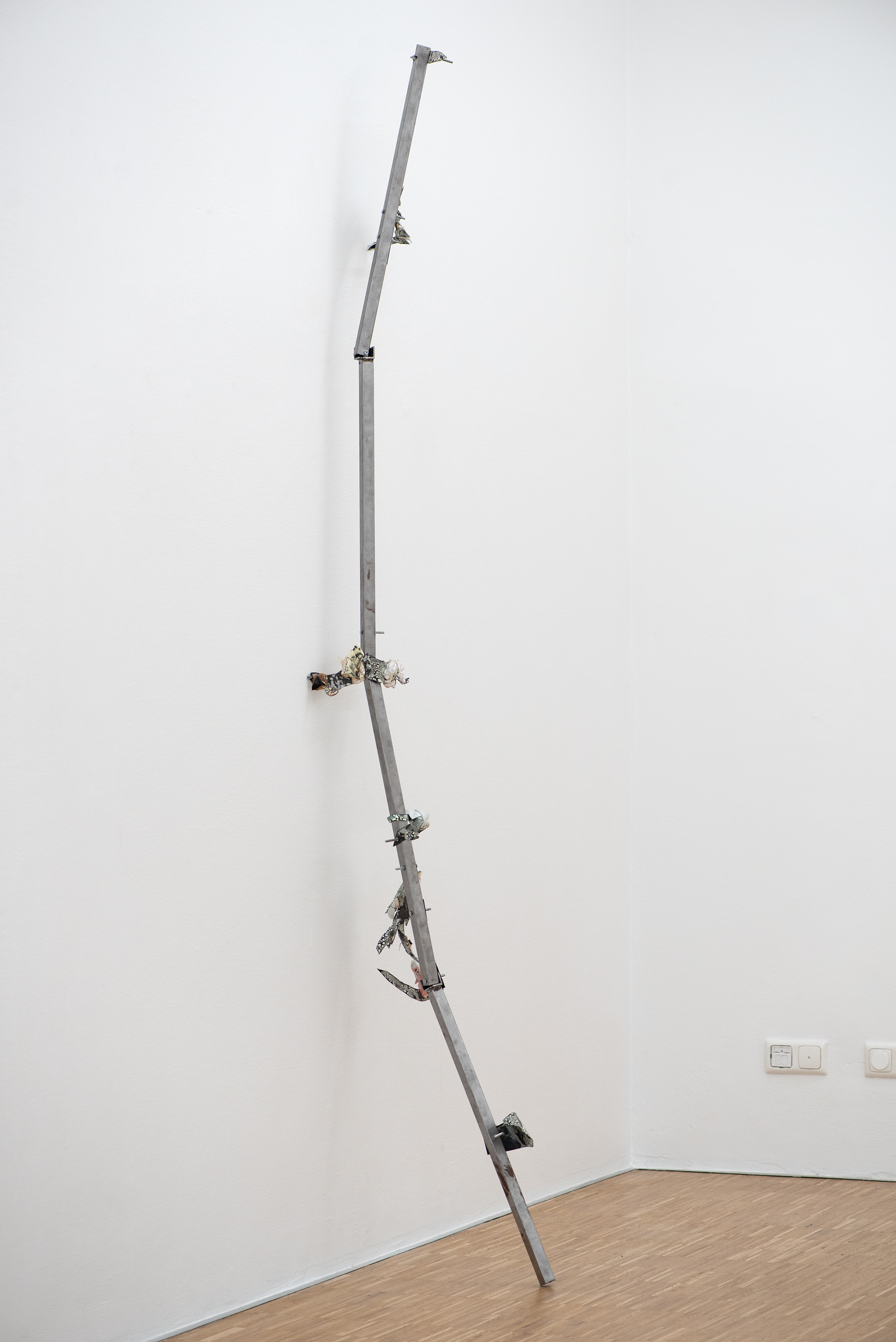
Julia Klemm, A chimera is not a pet 4, 2025, secondhand ceramic figures, steel, glaze, ceramic, screws, 27 × 46 × 260 cm
Julia Klemm, A chimera is not a pet 4, 2025, secondhand ceramic figures, steel, glaze, ceramic, screws, 27 × 46 × 260 cm (detail)
Julia Klemm, A chimera is not a pet, 2025, installation view
Julia Klemm, A chimera is not a pet 2, 2025, steel, glaze, ceramic, pigment, 44 × 38 × 74 cm
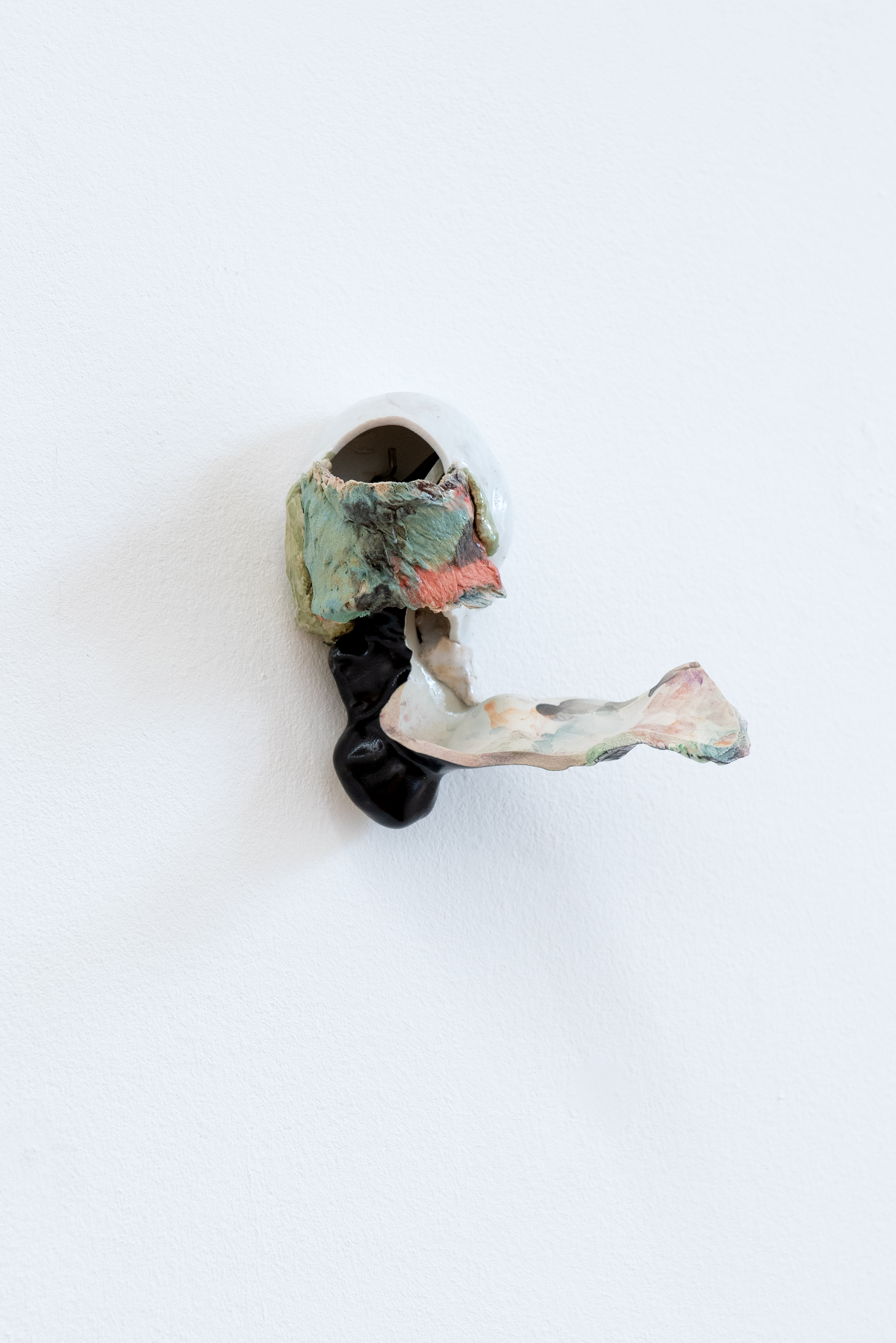
Julia Klemm, Untitled, 2025, secondhand ceramic figures, glaze, ceramic, fired soft toy, chandelier, 12 × 14 × 11 cm
Julia Klemm, A chimera is not a pet, 2025, installation view
Julia Klemm, Double trouble, 2025, ceramic, steel, pigment, glaze, 24 × 34× 60 cm
Julia Klemm, A chimera is not a pet 1, 2025, secondhand ceramic figures, glaze, ceramic, steel, fired soft toy, 15 × 25 × 14,5 cm
Julia Klemm, A chimera is not a pet, 2025, installation view
Julia Klemm, Mimicry, 2025, second ceramic figures, steel, chandelier, glaze, ceramic, 12 × 14 × 8 cm
Julia Klemm, Gryphon, 2025, secondhand ceramic figures, glaze, ceramic, steel, fired soft toy, 18 × 22 × 17cm

The problem I think, is that too often a chimera is seen as a pet. We visualise chimeras as these mythical fire breathing monsters, maybe with a lion’s head, a body of a goat, and a serpent for a tail. Three distinct animals are combined into one, their individual characteristics clearly visible for us to see. In contrast, biologically,a genetic chimera is often invisible, a nightmarish combination of two different sets of DNA, a result of one or more zygotes fusing together during the early stages of prenatal development. How this alien DNA might manifest is not altogether clear, but you hear stories of mothers having different DNA than their children, and the DNA from semen and saliva not matching in rape tests. To look for distinctions in chimeras would be the first step towards their domestication, treating the hybrid animal as another family member, a pet. But you cannot cuddle the long lost twin you might be carrying with you, inside.

Julia Klemm’s ceramic work often involves a combination of several smaller ceramic pieces, each with their own specific animal DNA. Sometimes these are readymade figurines of cats, lions or horses, glossy and kitsch, inhabitants of Flohmärkte and Omas’ living rooms. At other times, these are recreations of existing public art, of lion statues such as those found on Odeonsplatz, scanned, scaled down and then modelled with a 3D-printed negative mould. Rarely, an animal-type structure is moulded in clay by Julia on the spot, traces of fur scratched with a serrated scraper onto its surface. These smaller animal ceramics are first broken, smashed into almost unrecognisable fragments before they are combined, their intertwining made permanent by the heat of the ceramic oven. I look for these fragments as I walk around the work and try to classify them: look, here are some lion’s legs, and here, a cat’s head, but upside down and half-broken, so that I can see the form inside and outside. Focussing on the surface helps, as I detect the glossy spots of a panther or the layer lines of the 3D printer.

In doing so, I am looking for a pet, with fur strokable like a pastel-coloured soft toy. I try to make the strange shapes of Julia Klemm’s work once again familiar to me. But their outward appearance is a result of a logic that remains hidden. The work demands I see it as a multiplicity, which means in animal terms, as a population. And science teaches us that a population is not a fixed set of individuals of the same species, but an always evolving, interacting mass that changes in relation to its location and environment. The alliances made in a population are not just of the filial kind between individual members of the group, but those made with other groups, other animals, with plants, and with geography.  To see the inner workings of the animal in Julia Klemm’s ceramics, I need to step away from the animal and take a more expansive view, one that acknowledges population change forged by mutation. It is very alien to see the world in this way, as foreign and as violent as the shards of steel that interpenetrate the work, both holding it together and ripping it apart. 

Magdalena Wiśniowska 2025
From Animal to Mineral – World Objects

Talk with Prof. Tim Barker

7.01.2024, 3 pm

Lothringer 13 Lokal

Screenshot 2024-01-06 at 09.14.49

Hey, make sure you do not miss Tim Barker talking with me tomorrow, Sunday the 7th at 3 pm at Lothringer 13 Lokal! Really interesting way of looking at now technology affects our experiences of time! Part of the current “From Animal to Mineral Exhibition”.

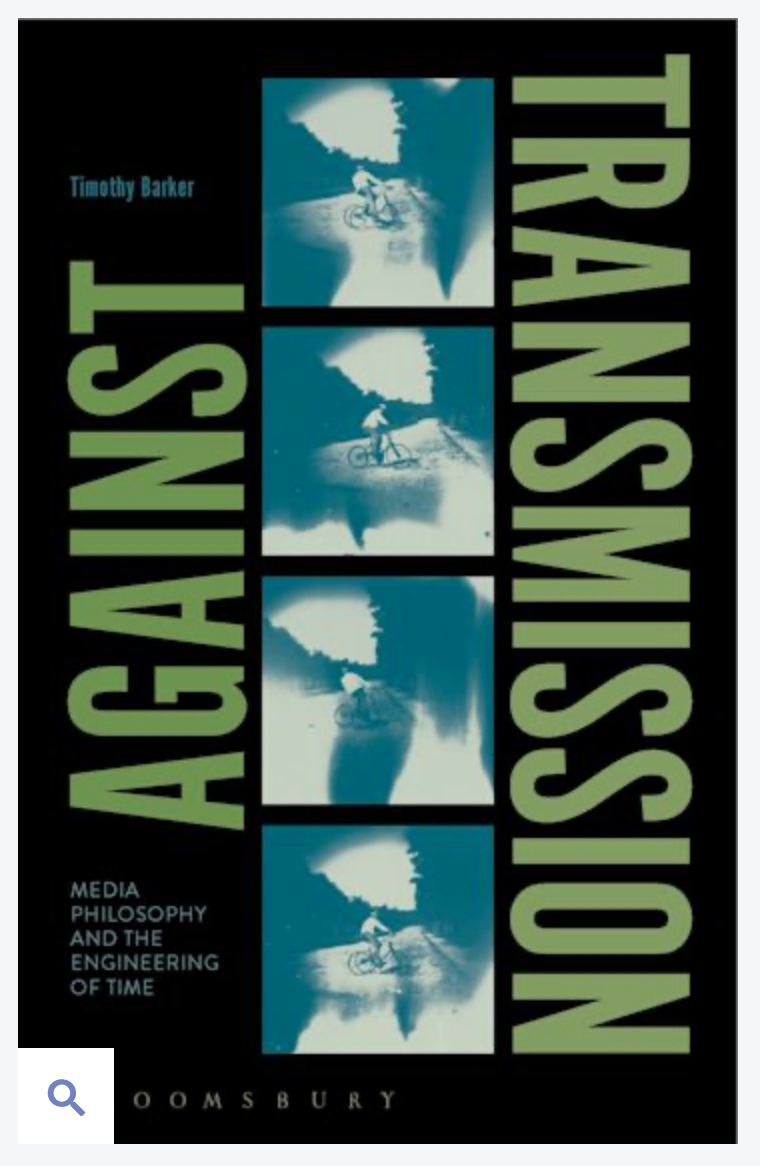
Tim Barker is Professor of Media Technology and Aesthetics at the School of Culture & Creative Arts, University of Glasgow. Tim’s research interests include digital technology and new media, aesthetics and the philosophy of time. He is the author of Time and the Digital: Connecting Technology, Aesthetics, and a Process Philosophy of Time (2012) and Against Transmission: Media Philosophy and the Engineering of Time (2018) and numerous articles including the most recent “Unplayable games: time and digital culture” Kunsttexte (2023); “Michel Serres and the philosophy of technology” Theory, Culture and Society (2023), “Michel Serres’ messengers” Media Theory (2021) and “Between emergence and emergencies: an introduction to the special issue ‘Media, Materiality, and Emergency’” MAST: The Journal of Media Art Study and Theory (2020).

One of the concepts of the exhibition From Animal to Mineral is the radical openness of Deleuze and Guattari’s becoming “tout le mode,” like everybody, like the whole world. In his short talk Tim Barker will introduce the concept of “totipotence” as discussed in the philosophy of Michel Serres, biologically defining the ability of a cell to give rise to unlike cells and so to develop a new organism. Serres uses this idea to discuss technological and cultural developments in evolutionary terms.