After Realism: Youjin Yi

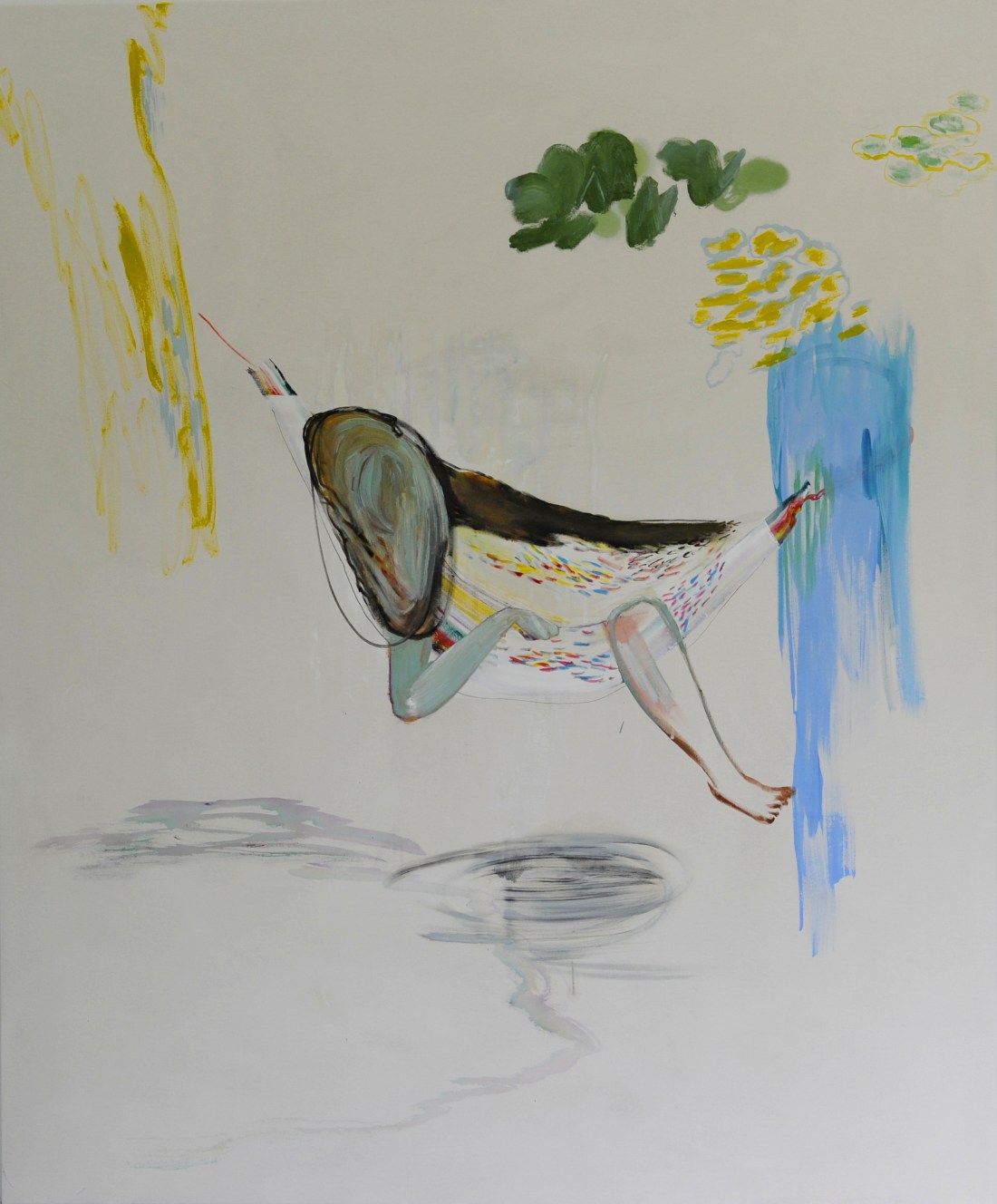
hängematte

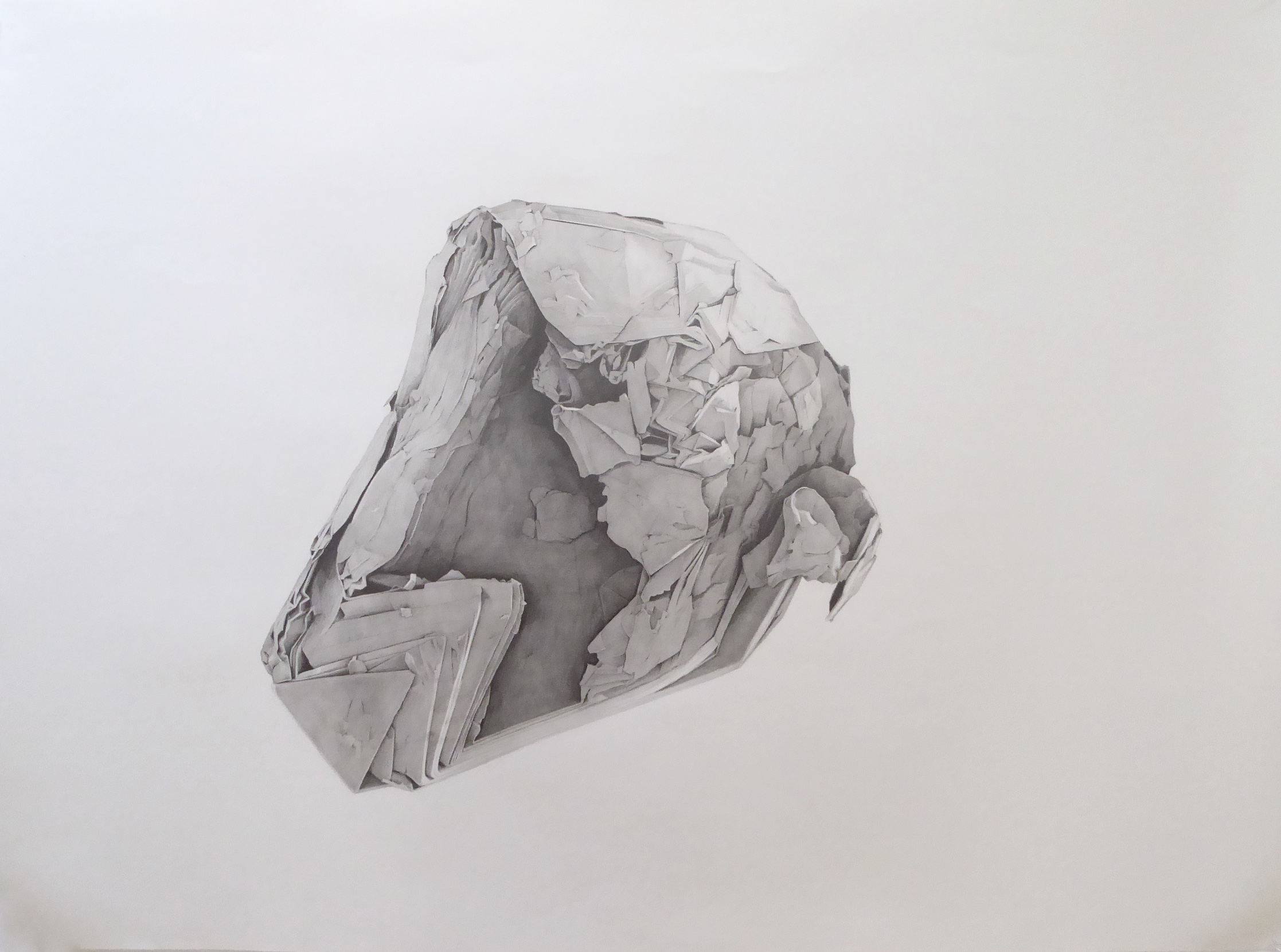
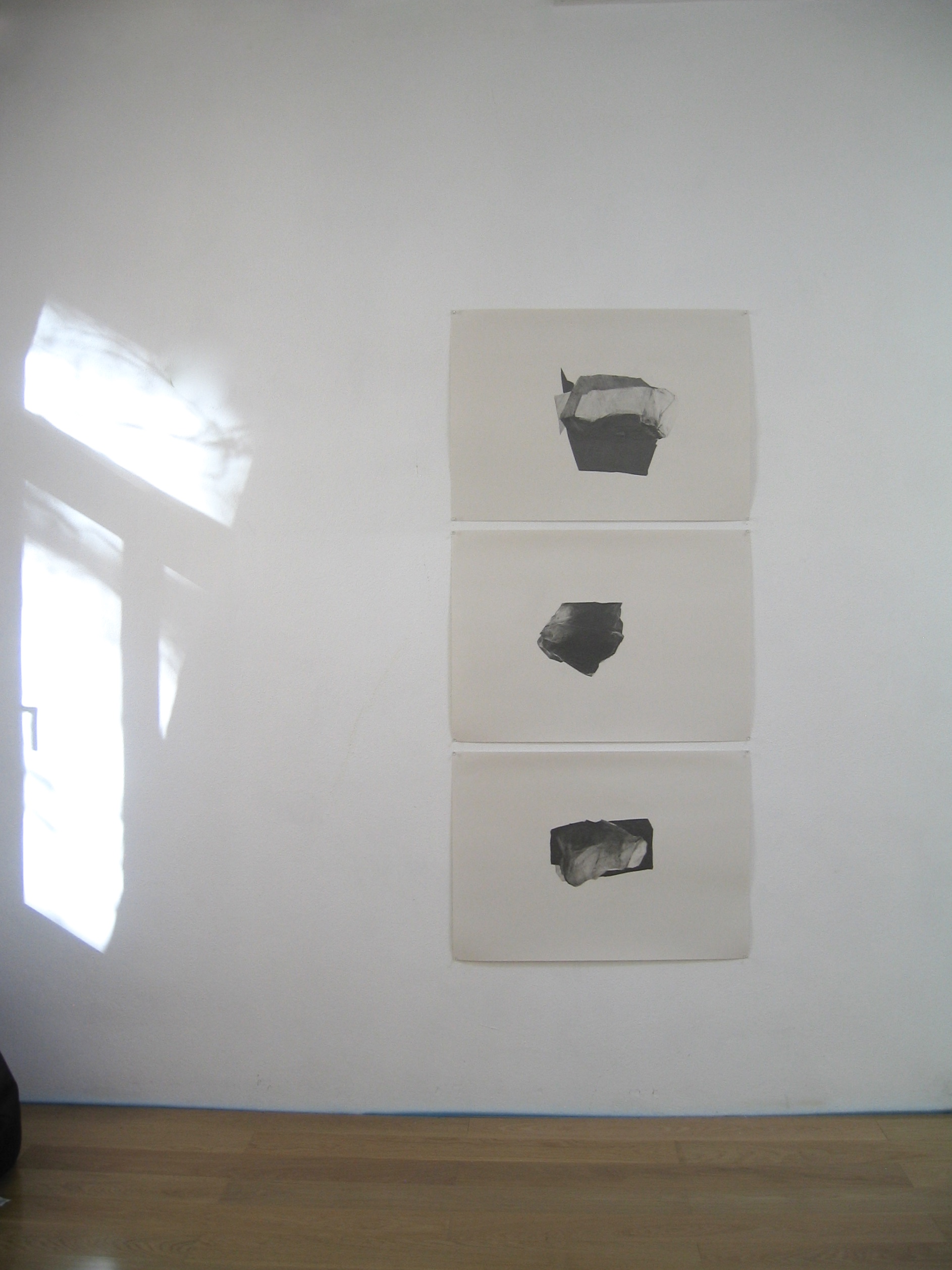
Youjin Yi’s work is highly performative, her imaginary narratives painted directly on the canvas in a manner both spontaneous and precise. In response to a perceived over-intellectualised art world, she teases the viewer with materiality; yet her canvases are also minimal, celebrating the beauty found in emptiness. Originally from Korea, Youjin Yi lives and works in Munich, and shows with Tanja Pol.

Youjin Yi’s Arbeit ist in höchstem Maße performativ. Ihre fantastischen Erzählungen, die sie unmittelbar auf die Leinwand malt, sind in gewisser Hinsicht sowohl spontan als auch präzise. Als Reaktion auf eine überintellektualisierte Kunstwelt neckt sie den Betrachter mit Materialität; doch sind ihre Leinwände, welche die der Leere innewohnenden Schönheit feiern, ebenso minimalistisch. Ursprünglich aus Korea, lebt und arbeitet Youjin Yi in München, wo sie von Tanja Pol vertreten wird.

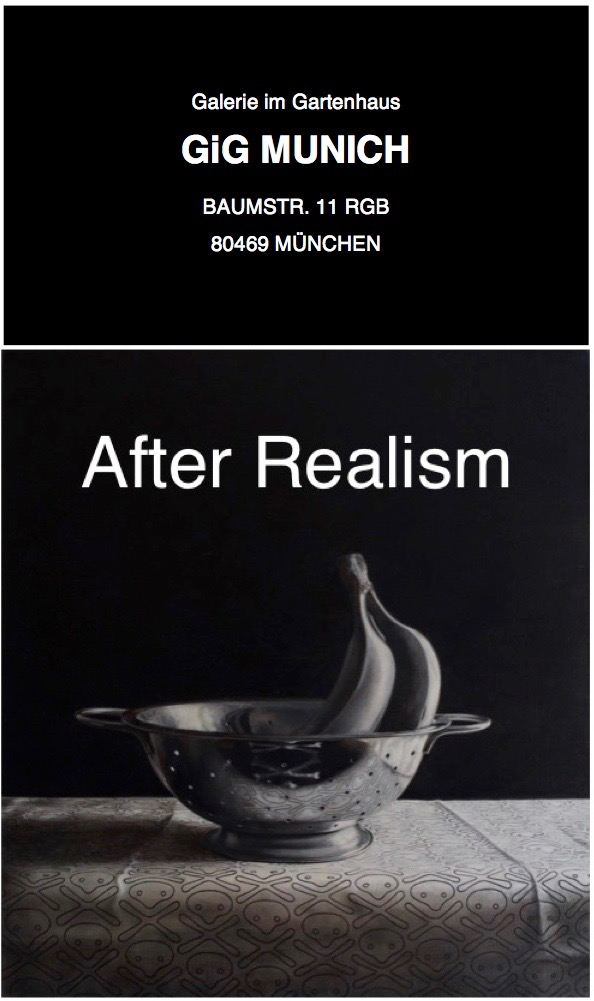
New Show: After Realism

12th March – 15th April 2016, Opening 12th March, 3 – 6 pm
af

After Realism brings together five artists, who in the face of contemporary challenges persist in making representational images. Liane  Lang, Richard Moon, Maria Thurn und Taxis, Gavin Tremlett and Youjin Yi work with the twofold difficulty of representing reality. First brought to the fore by a previous generation of artists, this consists of, on the one hand, an increasingly absent sense of what reality may be. Long mediated through the photographic and digital imagery, in its present commodified form reality retreats ever further behind a multitude of touch screens. On the other hand, art has since lost its privileged place in the task of representation.

In their work, Liane Lang, Richard Moon, Maria Thurn und Taxis, Gavin Tremlett and Youjin Yi reclaim some of the lost ground of representation, but in a manner that is alternately teasing, earnest, hostile, careful and funny.

After Realism führt fünf Künstler zusammen, die trotz heutiger Herausforderungen nicht davon abweichen gegenständliche Bilder zu schaffen. Liane Lang, Richard Moon, Maria Thurn und Taxis, Gavin Tremlett und Youjin Yi sind dabei einer doppelten Problematik ausgesetzt die Realität darzustellen. Bereits von einer vorangegangenen Generation von Künstlern beleuchtet, bedeutet dies zum einen ein zunehmend mangelndes Gefühl, was Realität sein könnte. Lange Zeit durch fotografische und digitale Bildsprache vermittelt, zieht sich die Realität nun in ihrer aktuellen kommerzialisierten Form noch weiter hinter einer Fülle von Touchscreens zurück. Zum anderen hat die Kunst ihre privilegierte Position in der Aufgabe der Repräsentation seitdem verloren.

In ihren Arbeiten gewinnen Liane Lang, Richard Moon, Maria Thurn und Taxis, Gavin Tremlett und Youjin Yi Bereiche des verlorengegangenen Terrains der Repräsentation auf eine Weise zurück, die abwechselnd scherzhaft, ernsthaft, feindselig, vorsichtig und humorvoll ist.

(trans. Nadja  Gebhardt)
Jo Love – Press release

GiG Munich is happy to introduce the work of Jo Love, a British artist living and working in London, course director at Camberwell College of Art, University of Arts London and senior lecturer at the University of Brighton. Jo Love has recently completed her PhD at Chelsea College of Art and Design, and her show at GiG Munich marks the continuation of her research into the viewed surface, the materiality and the time of the printed photographic image. Her work combines drawing with printmaking and photography, and uses the specks of dust found on the surface of the photographic image as the starting point of her investigations.

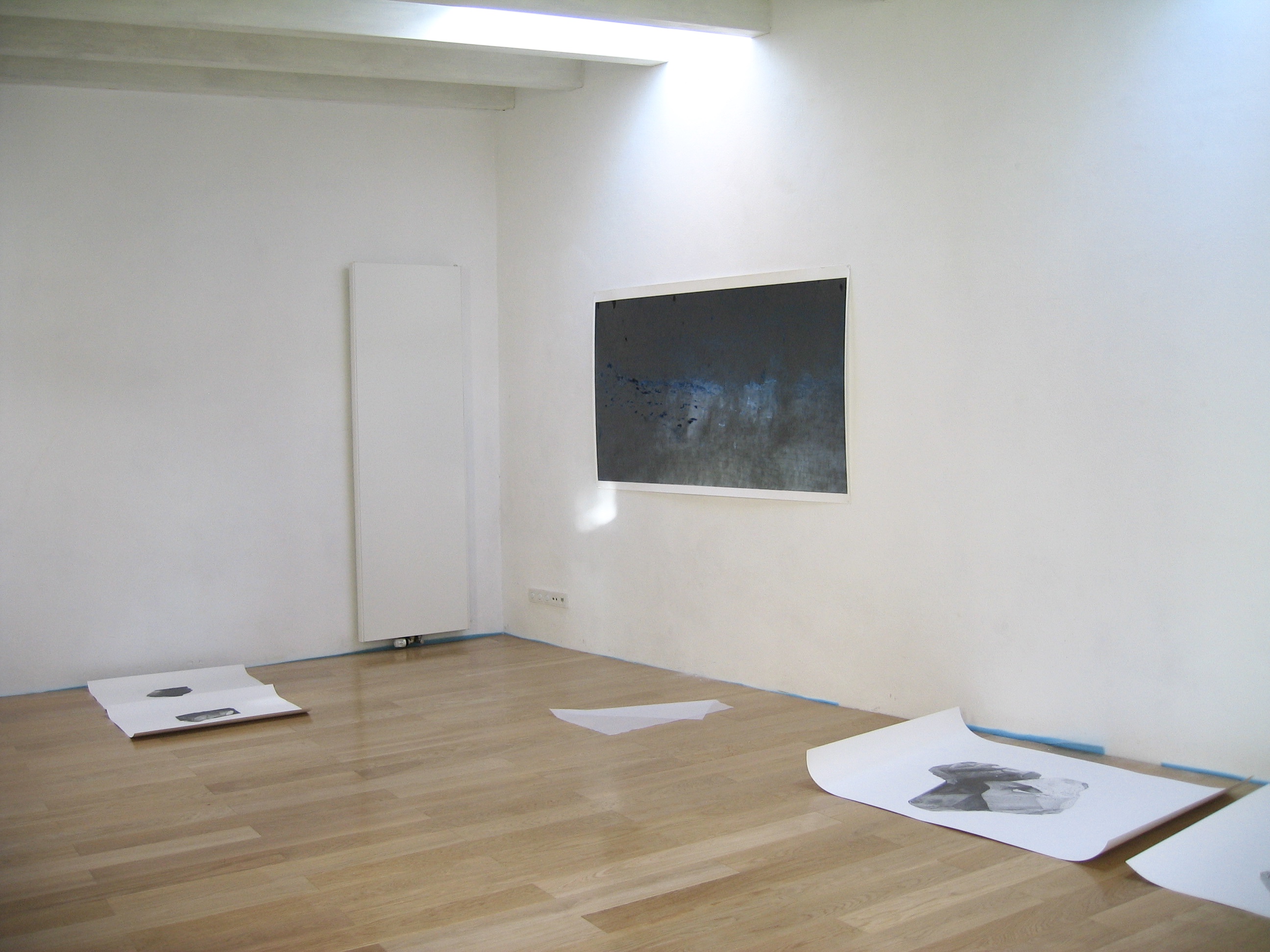
At GiG Munich Jo Love shows two bodies of work. The first consists of a series of landscape drawings made in collaboration with a senior scientist at the Natural History Museum in London. In this series Jo Love re-draws the electron microscope images of marble and graphite particles in order to reclaim the tactile materiality lost to modern technology. She also imbues the image with a different kind of temporality to that of the digital experience.

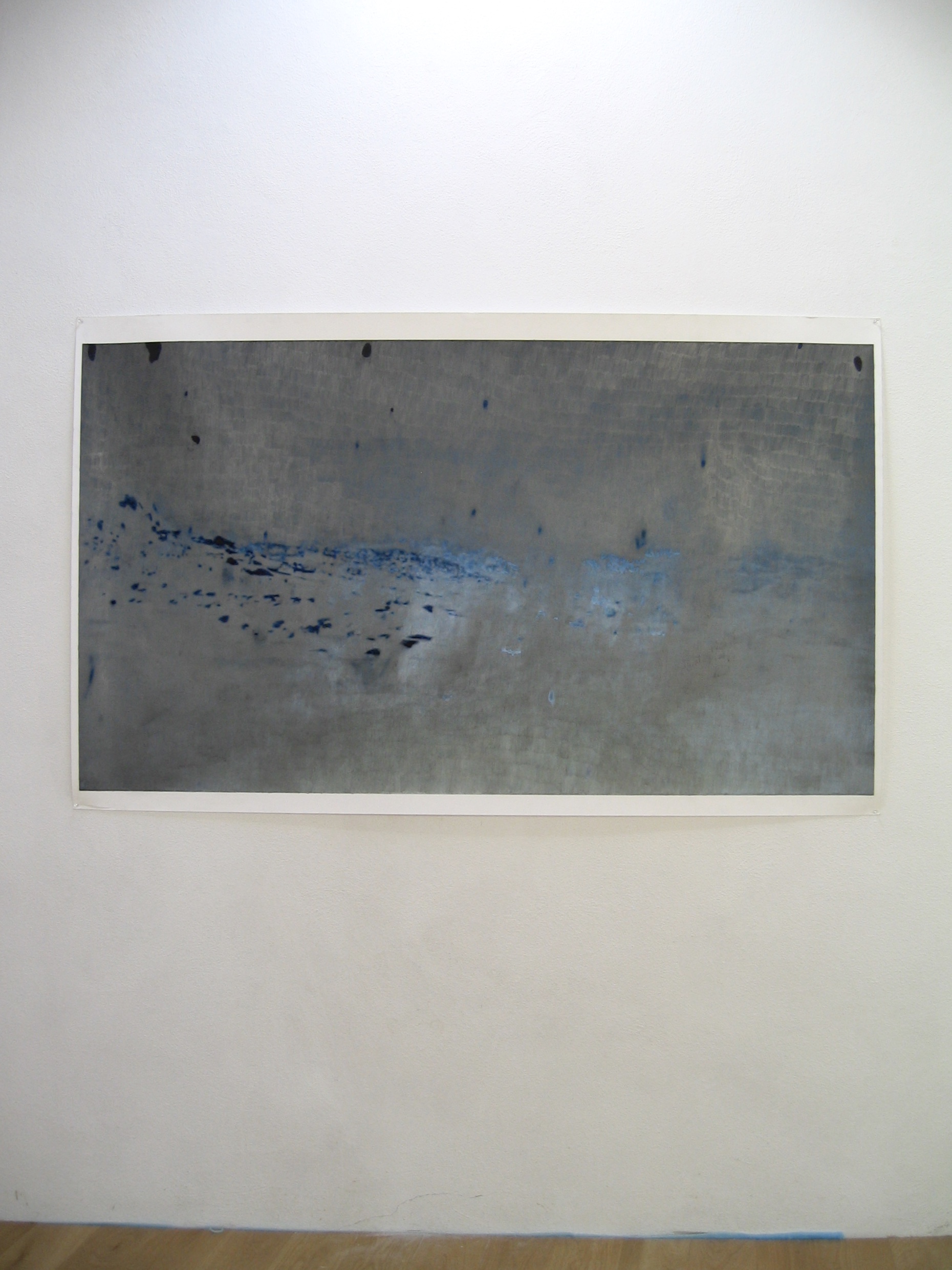
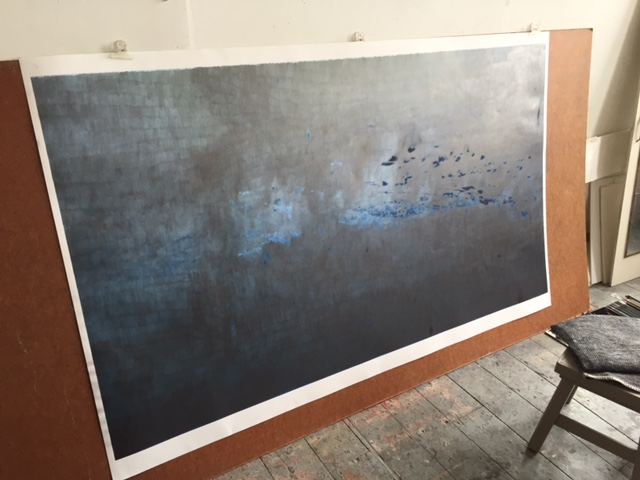
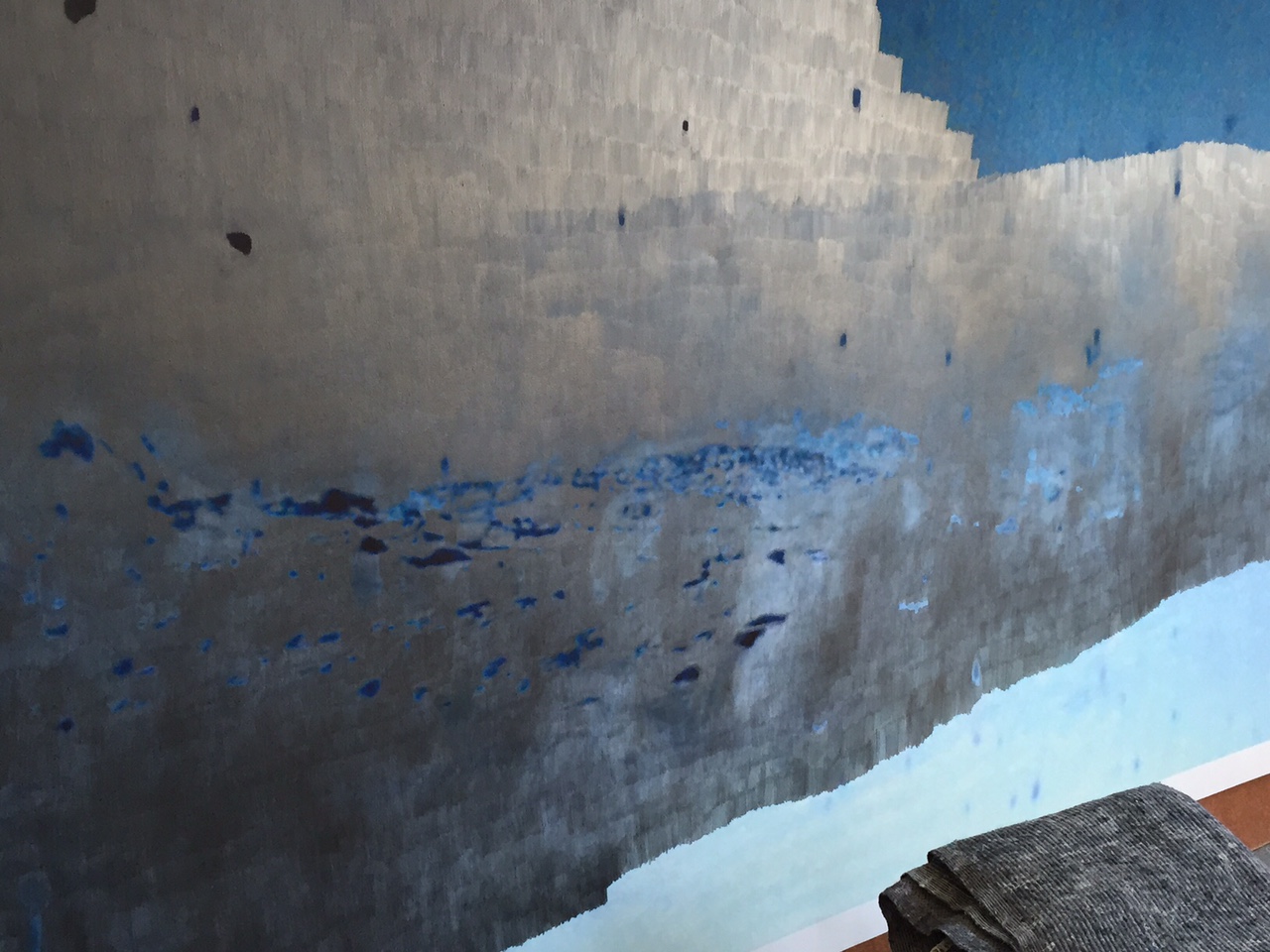
In the second body of work, Jo Love draws over a digital print of a video still, covering the inkjet surface with a layer of graphite. Only small pockets of saturated colour are left exposed. Taken together, the two different layers create an optically unstable image, disturbing and disrupting the act of viewing.

Both drawings operate at the limits of human perception and invoke ideas of the technological sublime. As Jo Love states, “My interest lies in constructing images which are resonant with my experience and perception of the world: more fractured, open and complex than the more coherent image can convey, and one that offers an arena within which we can contemplate themes of time, memory and mortality.”