Judith Adelmann, Rachel Fäth, Sophia Mainka, Hannah Mitterwallner, Jonathan Penca, Maria VMier
15.12. 2023 – 18.02.2024
Lothringer Halle, Lothringer Str. 13, 81667 München
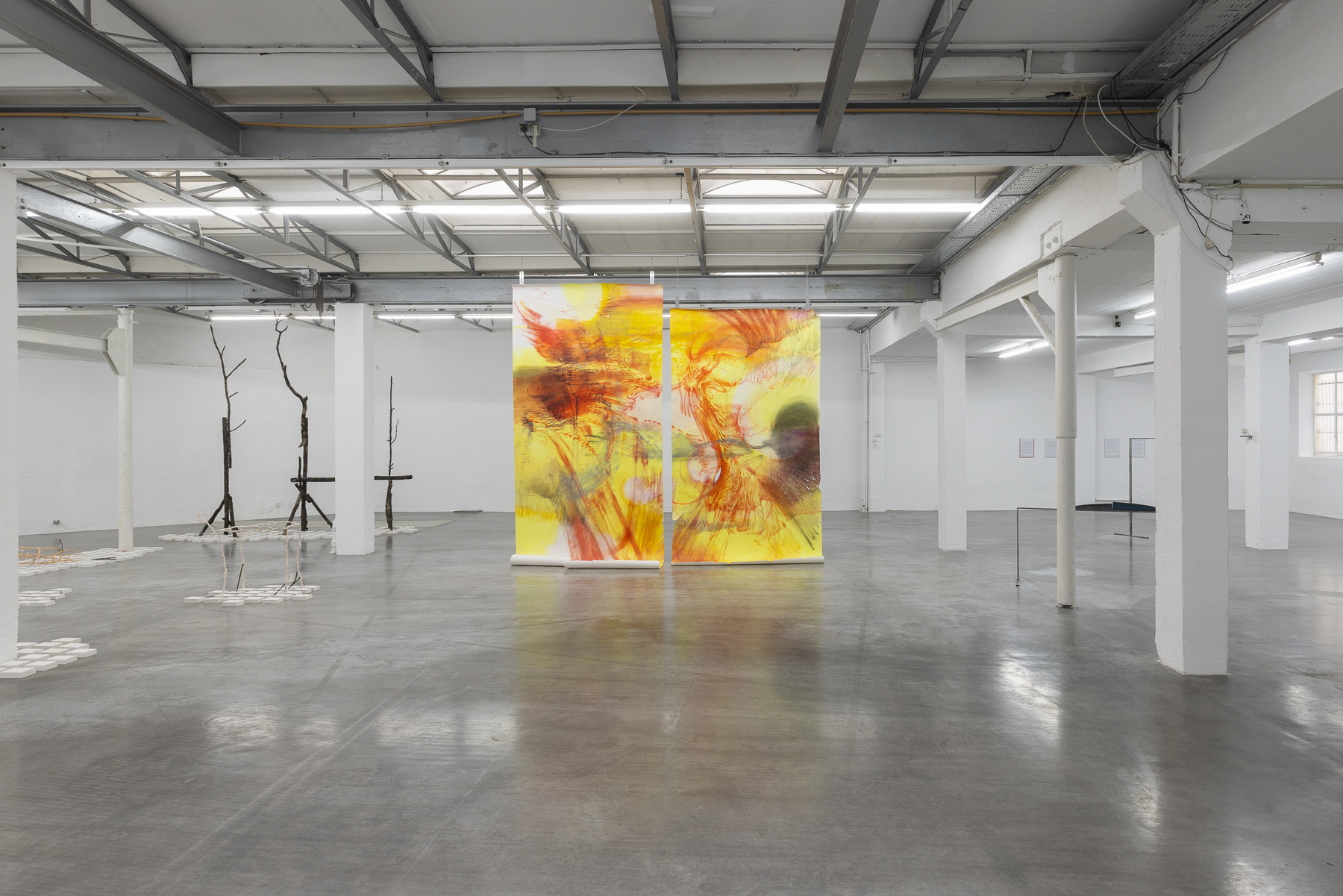
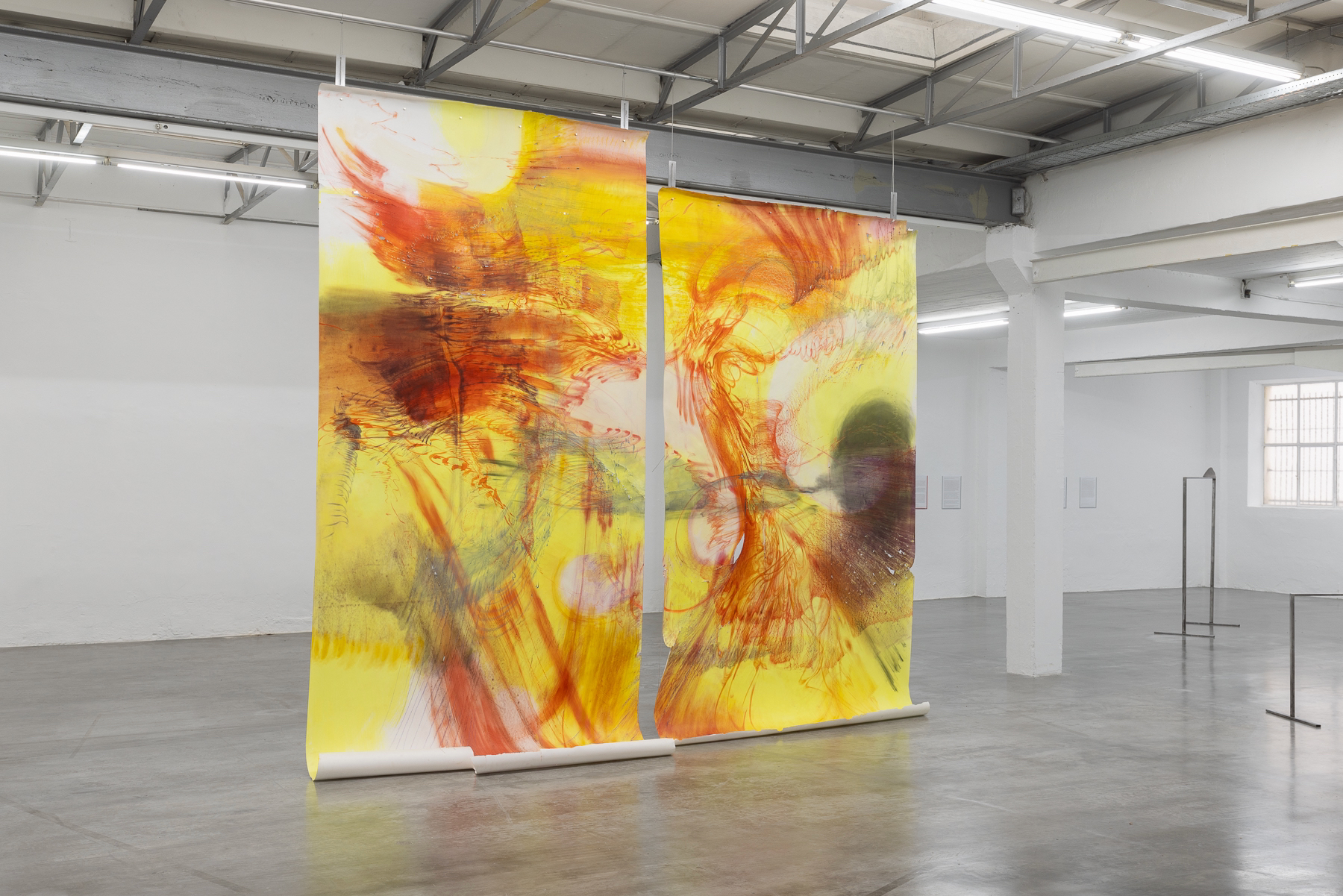


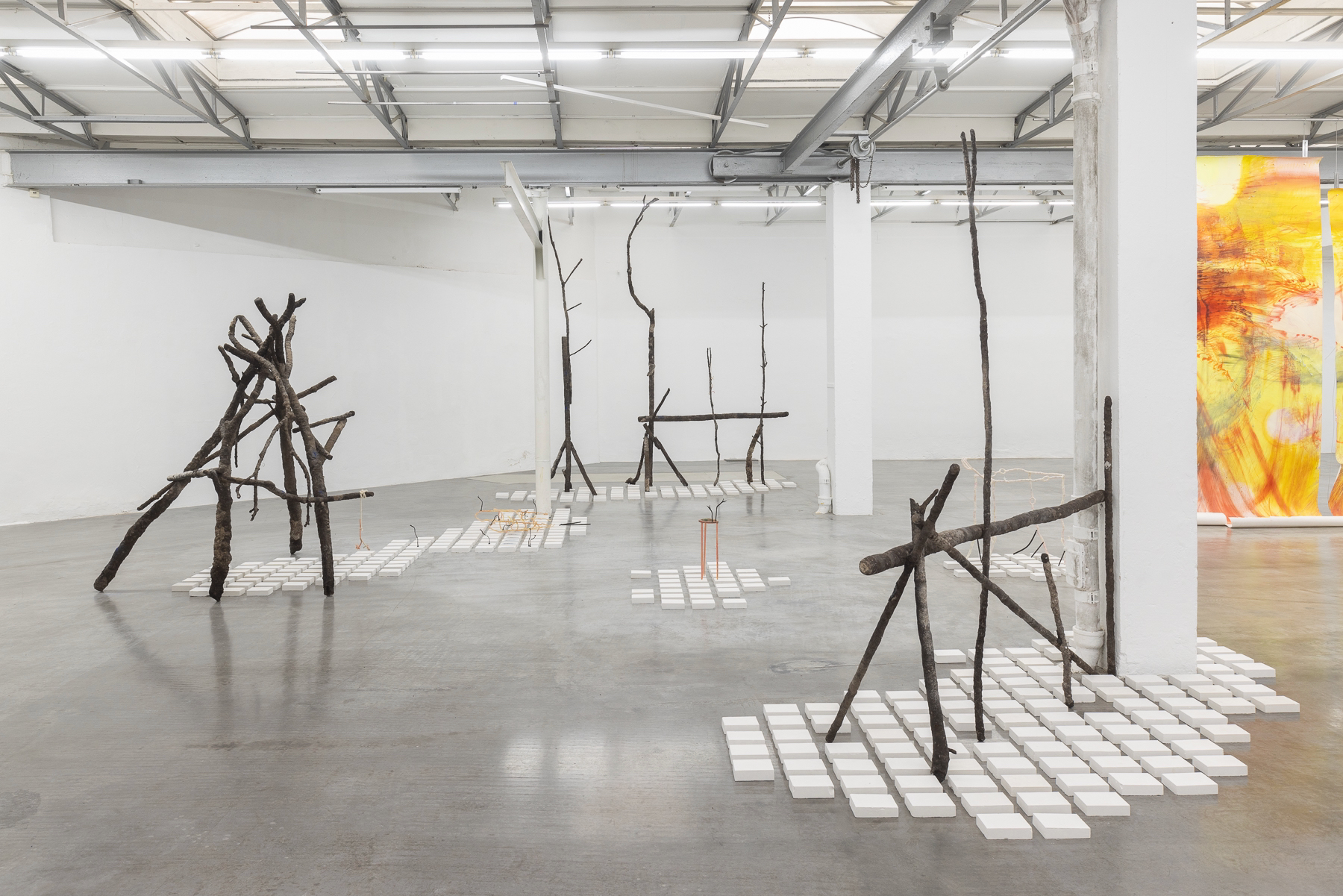


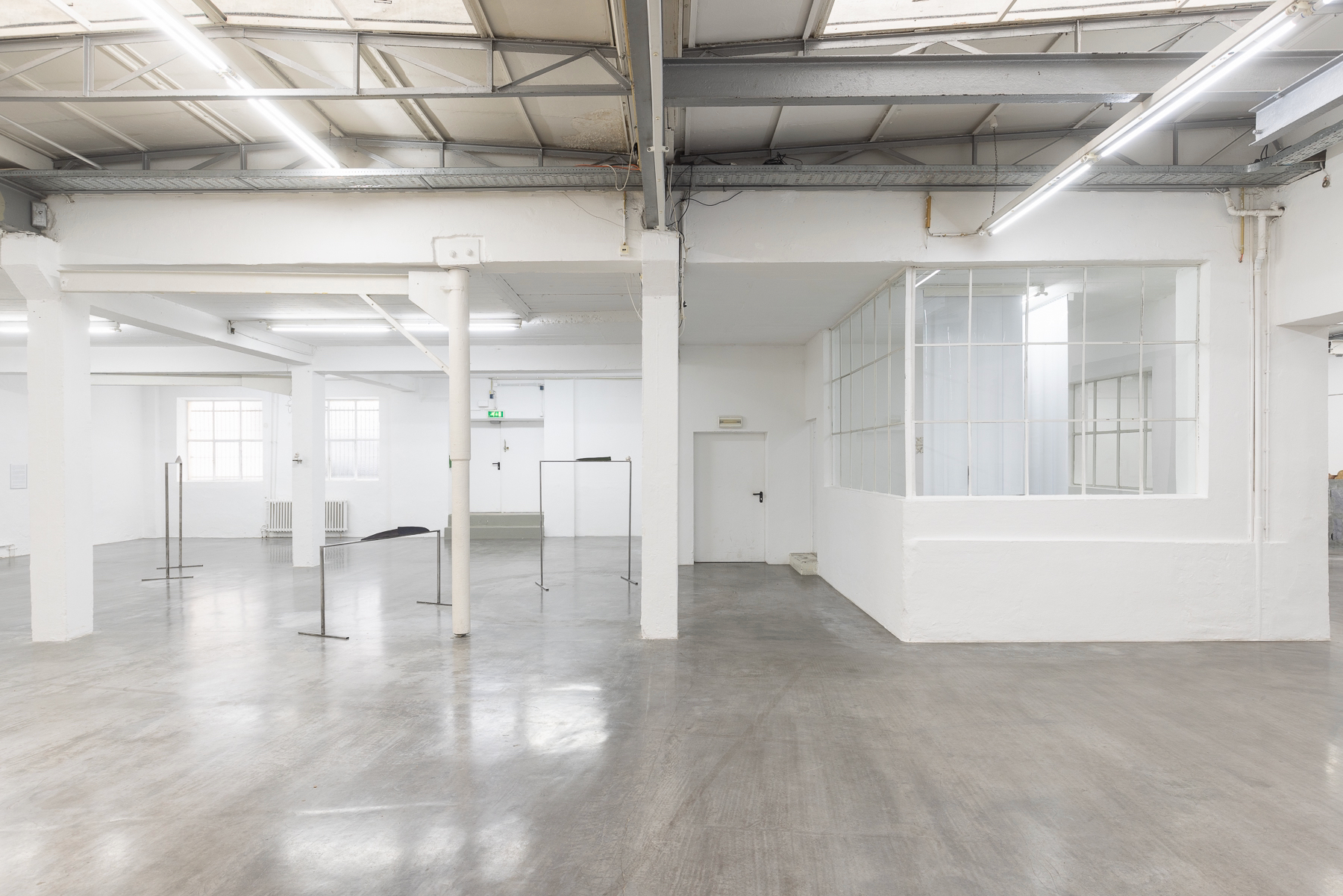


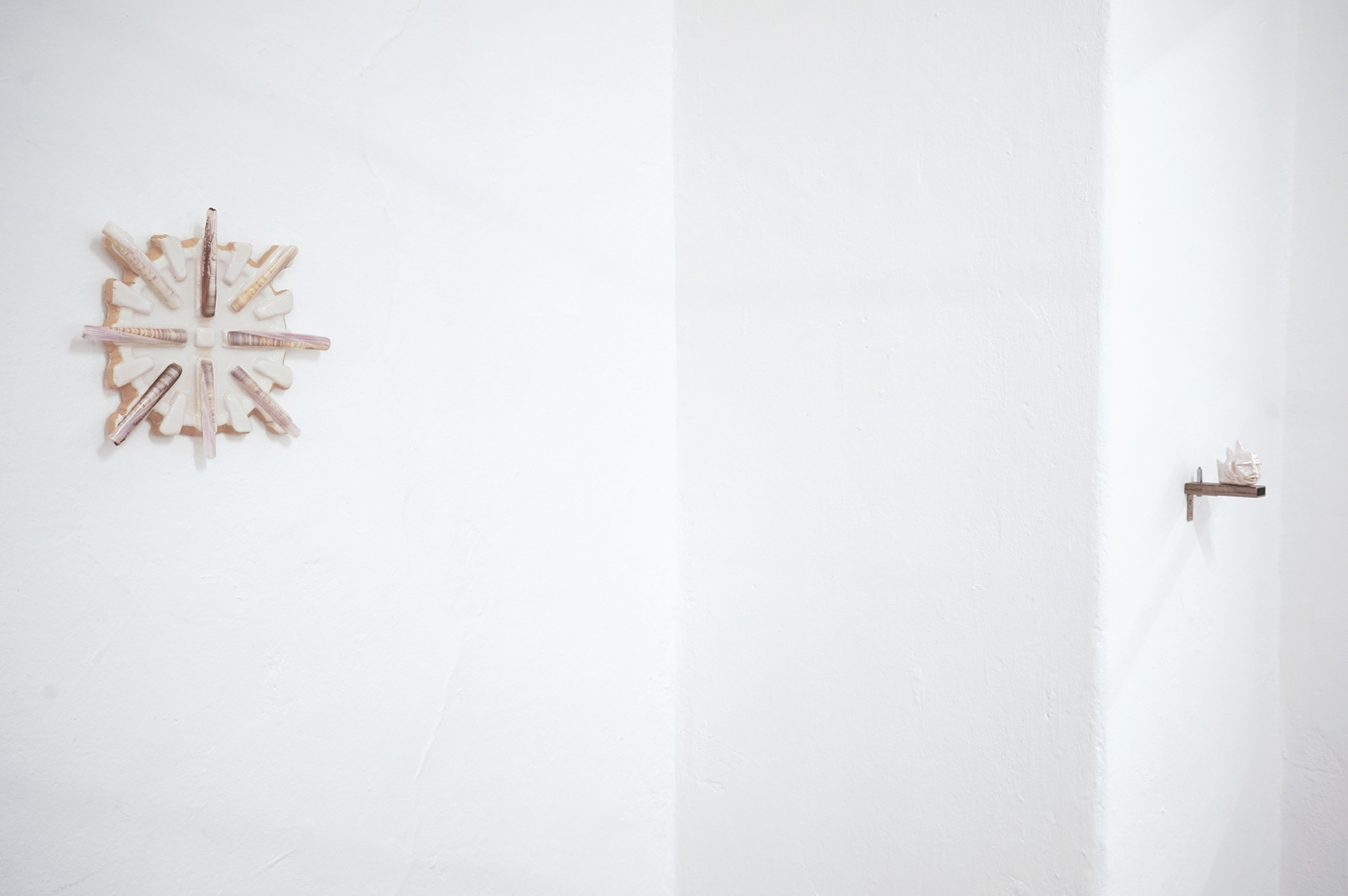
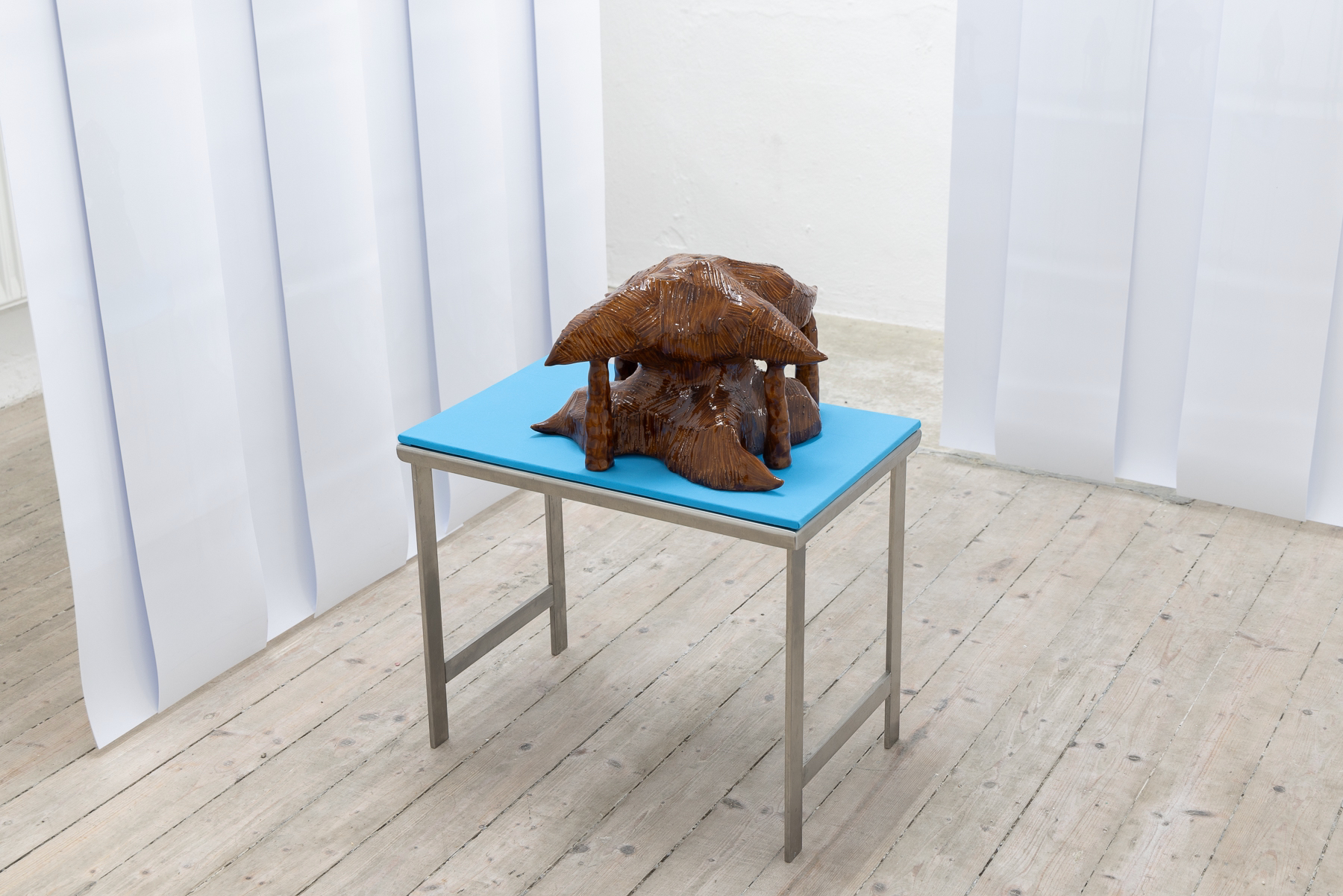
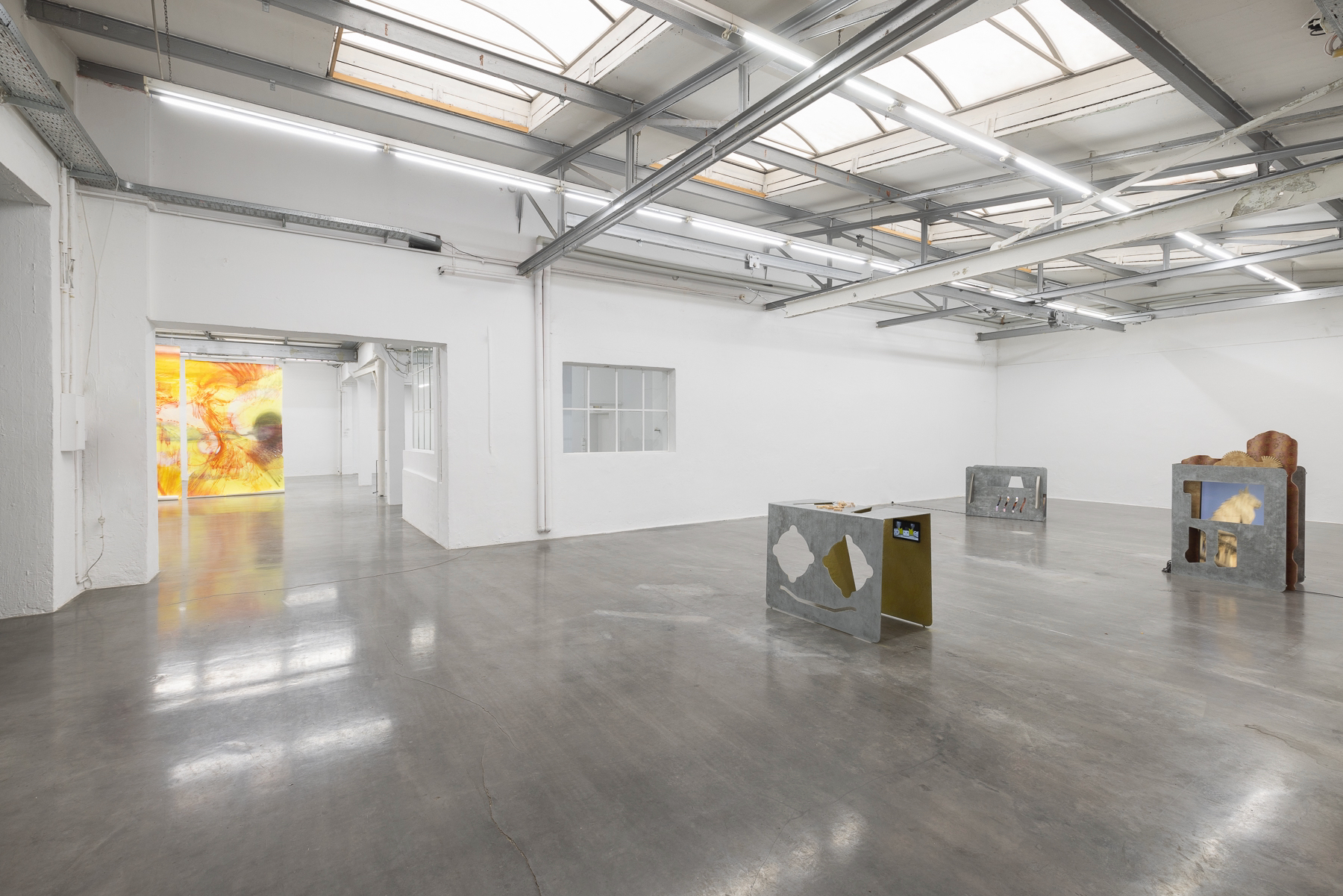
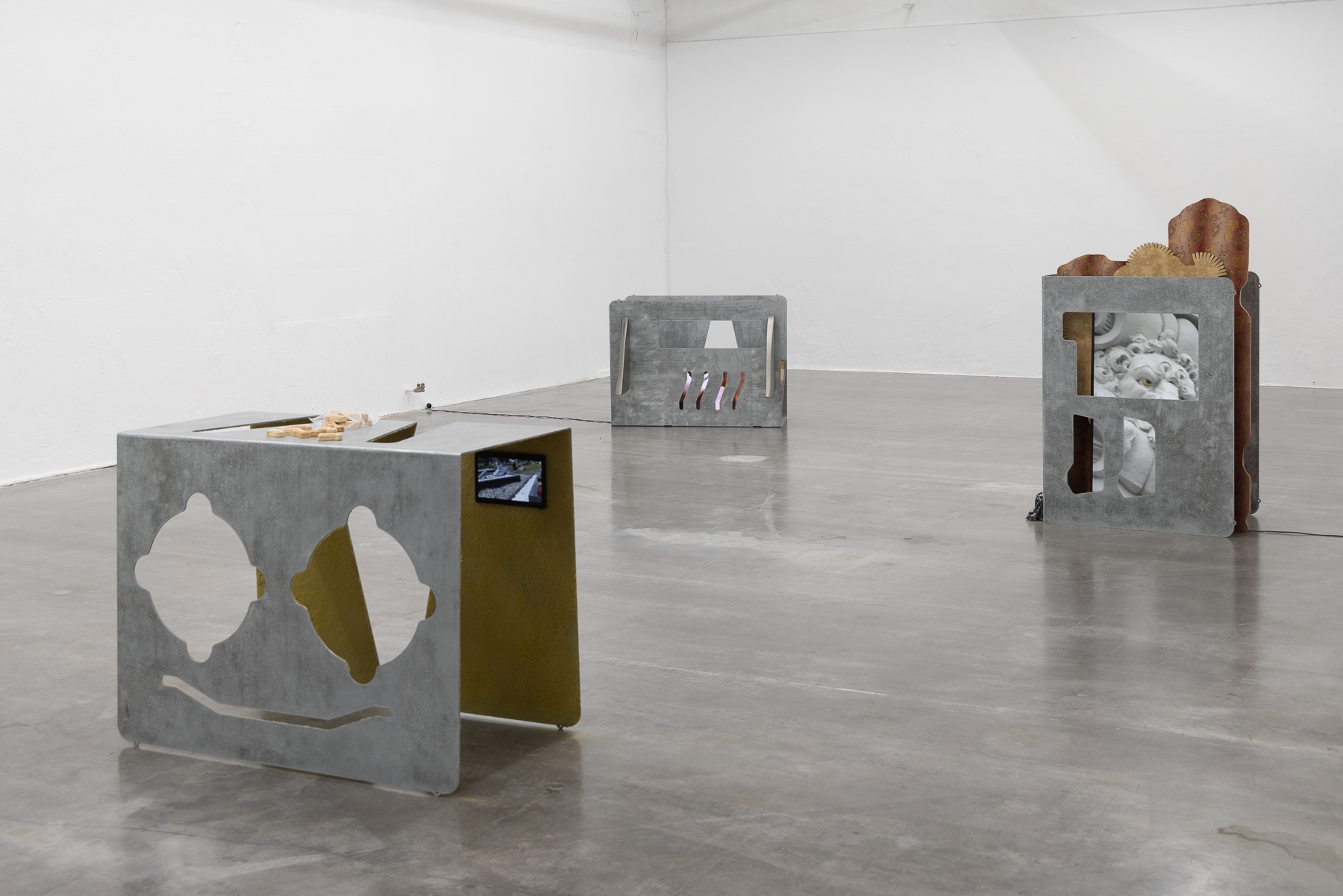
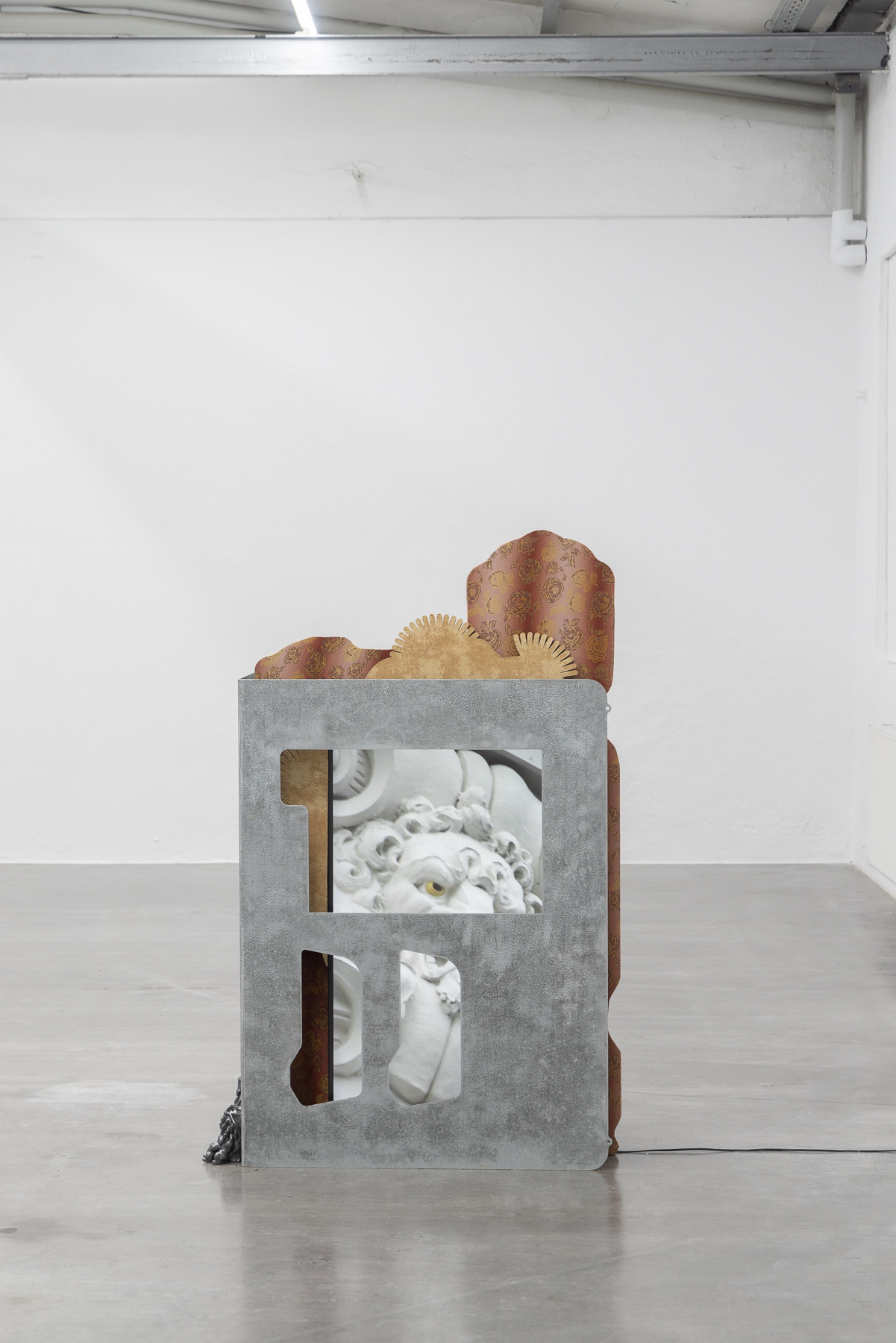

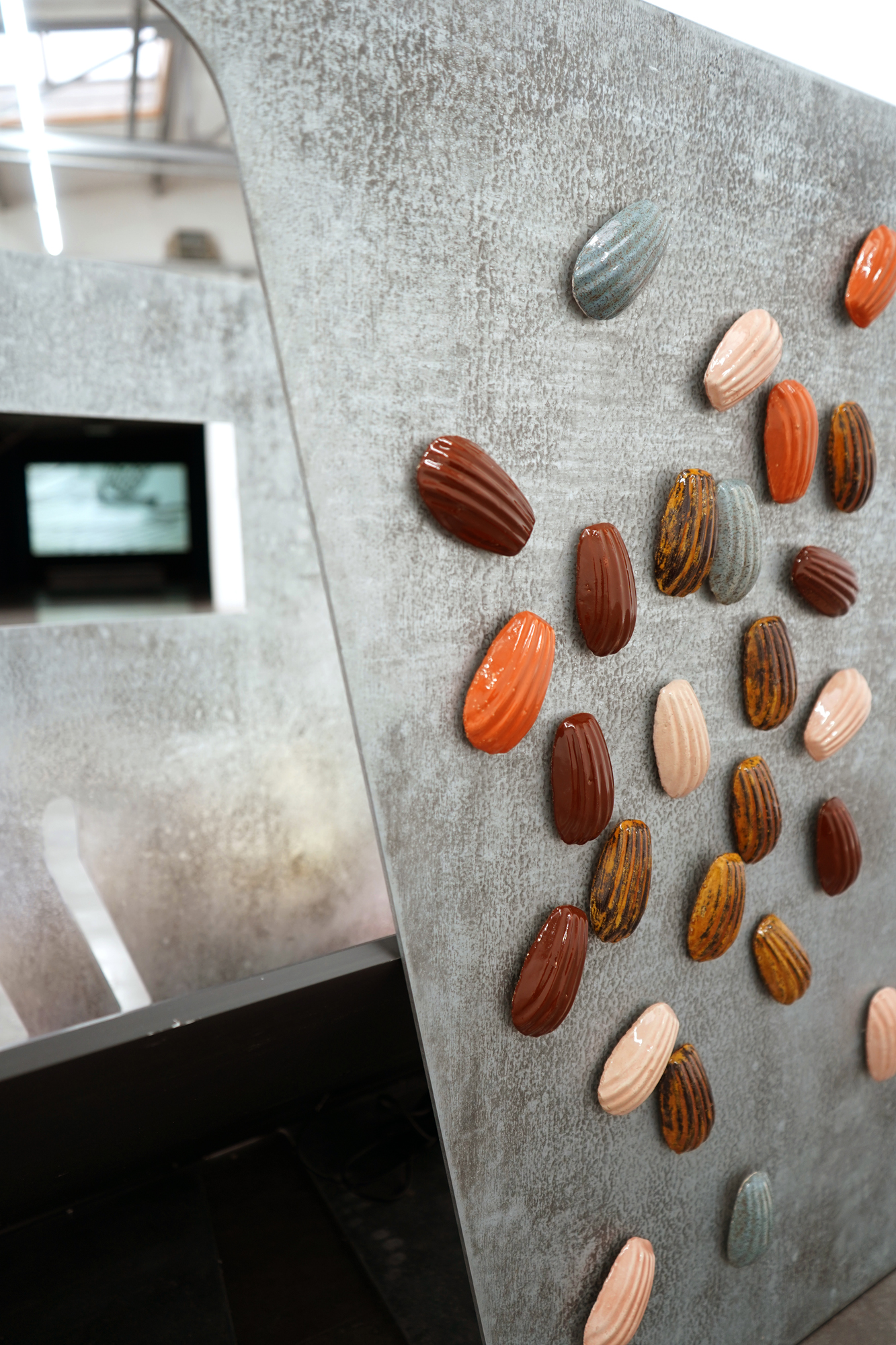




Texts included in the exhibition:
MUNICH
15.12. 2023 – 18.02.2024
Lothringer Halle, Lothringer Str. 13, 81667 München
Texts included in the exhibition:
7.01.2024, 3 pm
Lothringer 13 Lokal
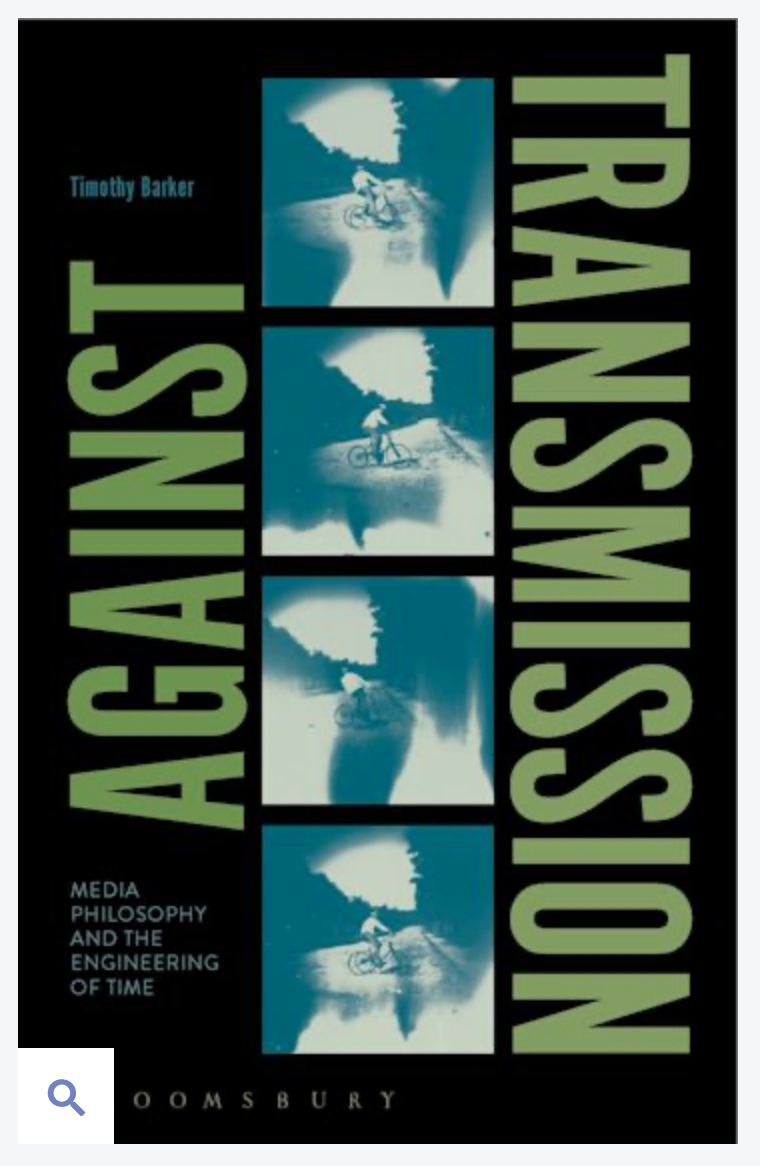
Hey, make sure you do not miss Tim Barker talking with me tomorrow, Sunday the 7th at 3 pm at Lothringer 13 Lokal! Really interesting way of looking at now technology affects our experiences of time! Part of the current “From Animal to Mineral Exhibition”.
Tim Barker is Professor of Media Technology and Aesthetics at the School of Culture & Creative Arts, University of Glasgow. Tim’s research interests include digital technology and new media, aesthetics and the philosophy of time. He is the author of Time and the Digital: Connecting Technology, Aesthetics, and a Process Philosophy of Time (2012) and Against Transmission: Media Philosophy and the Engineering of Time (2018) and numerous articles including the most recent “Unplayable games: time and digital culture” Kunsttexte (2023); “Michel Serres and the philosophy of technology” Theory, Culture and Society (2023), “Michel Serres’ messengers” Media Theory (2021) and “Between emergence and emergencies: an introduction to the special issue ‘Media, Materiality, and Emergency’” MAST: The Journal of Media Art Study and Theory (2020).
One of the concepts of the exhibition From Animal to Mineral is the radical openness of Deleuze and Guattari’s becoming “tout le mode,” like everybody, like the whole world. In his short talk Tim Barker will introduce the concept of “totipotence” as discussed in the philosophy of Michel Serres, biologically defining the ability of a cell to give rise to unlike cells and so to develop a new organism. Serres uses this idea to discuss technological and cultural developments in evolutionary terms.
15.12. 2023 – 18.02.2024
Lothringer Halle, Lothringer Str. 13, 81667 München
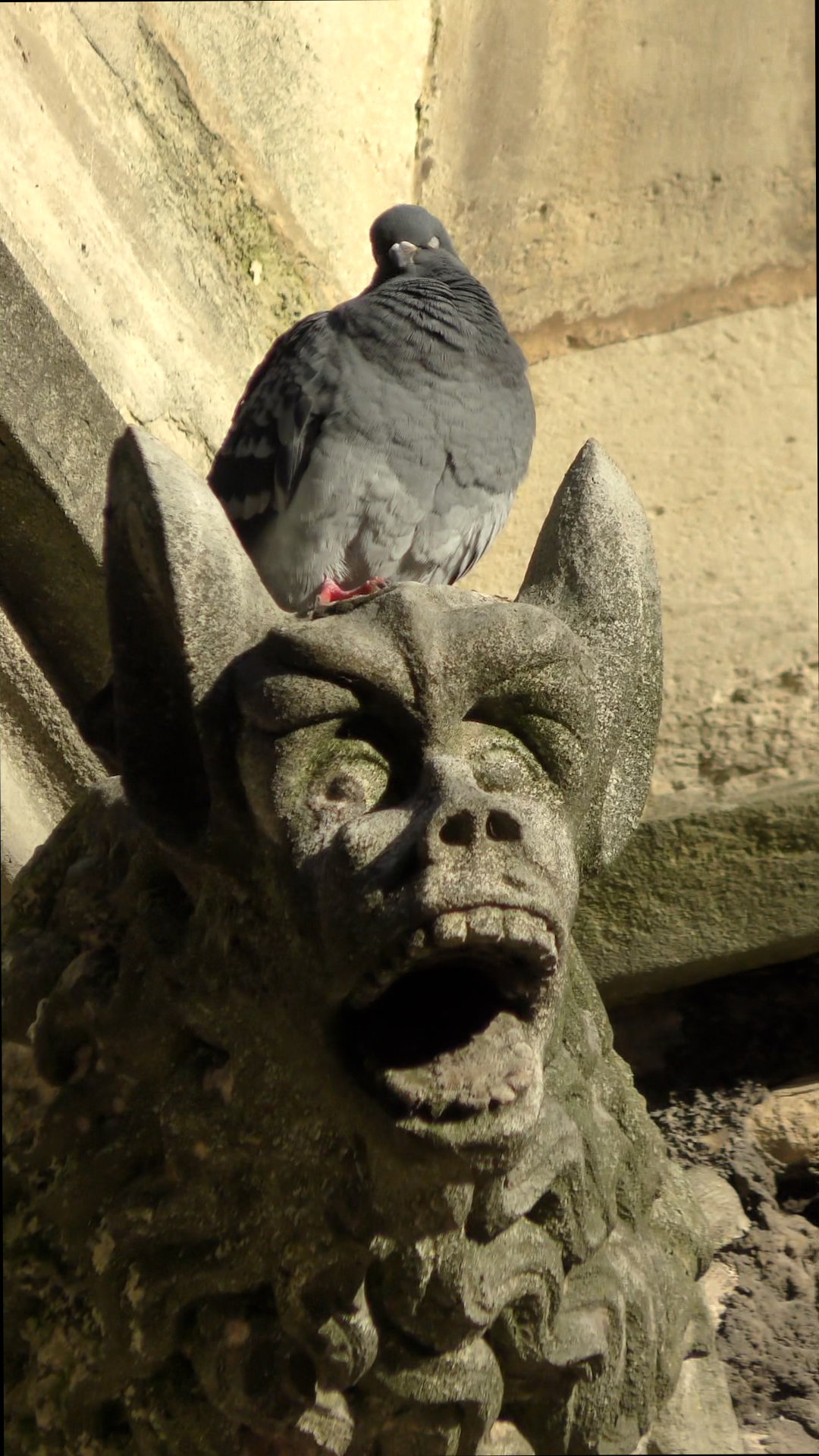
“Animals” are wolves mainly, rats and the wasp. “Mineral” is everything imperceptible: elements, particles and molecules. To go from animal to mineral is to experience becoming, to step across a threshold and change.
I began my reading of A Thousand Plateaus, specifically the chapter “1730: Becoming-Intense, Becoming-Animal, Becoming- Imperceptible …” 1 during the corona pandemic, when environmental concerns were at the forefront of almost every media discussion. Defining humanity’s role in nature seemed like an important task and Deleuze and Guattari’s work was useful in addressing the too easy distinction between nature and culture. I liked how Deleuze and Guattari saw the dominance of our species over others as a philosophical problem of autonomy where Man as a thinking being is subject only to the laws of his own construction. For them, the capacity for conscious thought conferred upon Man a dignity denied to other creatures, making their voices unheard.
Whereas, in A Thousand Plateaus Deleuze and Guattari present nature as an endless variability, the “whole thousand-voiced multiple” of Difference and Repetition 2. Here, nature is a multi-voiced body, where the voices constituting this body resound in each other in a “clamor of Being.” In this din, my voice is one of many and many voices resonate in mine 3. For Deleuze and Guattari, to change the human collective relation, not just to animals, but to earth itself, would demand that we stop hearing just our own voice and become aware of the noise of others. This is the experience of becoming-animal, becoming-imperceptible. It is to shed Man’s mantle and learn how to listen, becoming the voice of many.
Since 2021 I have realised a series of exhibitions at various locations in responses to different aspects of this chapter of A Thousand Plateaus, whether to its ideas of nature, technology or memory. This exhibition at Lothringer 13 Halle confronts the idea of becoming, specifically in our relation to nature, more directly. In different ways all the artists participating in this exhibition share these concerns, many acutely aware of working in the era of the Anthropocene, where the human impact on the planet can no longer be denied.
To their cluster of voices I add my own, belonging to the writer. The texts I have written over the past few years in response to Deleuze and Guattari’s chapter on becoming are on display throughout the room. The texts resonate with the artwork, and the art inhabits the text. The exhibition is an experiment in the construction of a multi-voiced population, a pack of wolves, a people of rats.
Magdalena Wisniowska, November 2023
1) Deleuze, Gilles and Guattari, Félix, A Thousand Plateaus, trans. Brian Massumi, (Minneapolis, London: University of Minesota Press, 2005).
2) Deleuze, Gilles, Difference and Repetition, trans. Paul Patton (New York: Columbia University Press, 1994), 304.
3) Ibid.

